
Last updated November 22, 2026
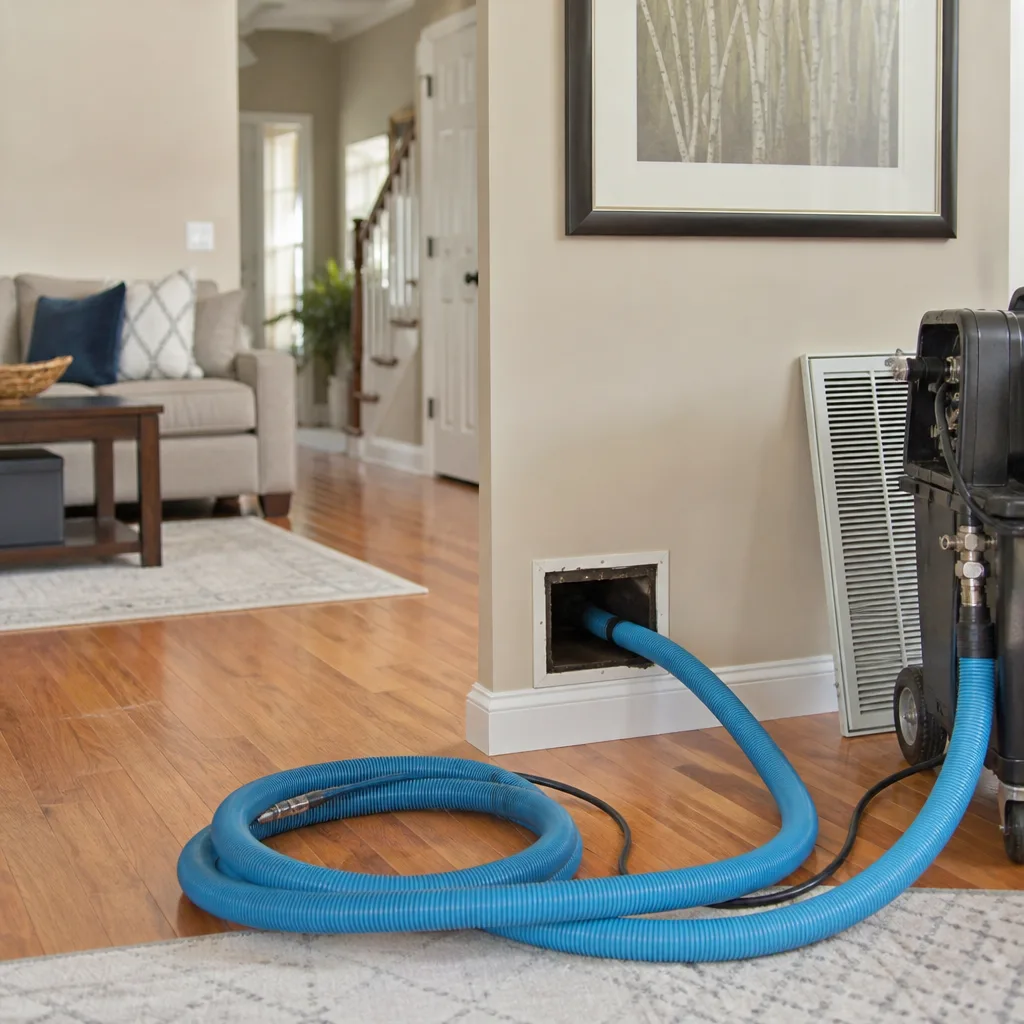 Whole-home duct cleaning
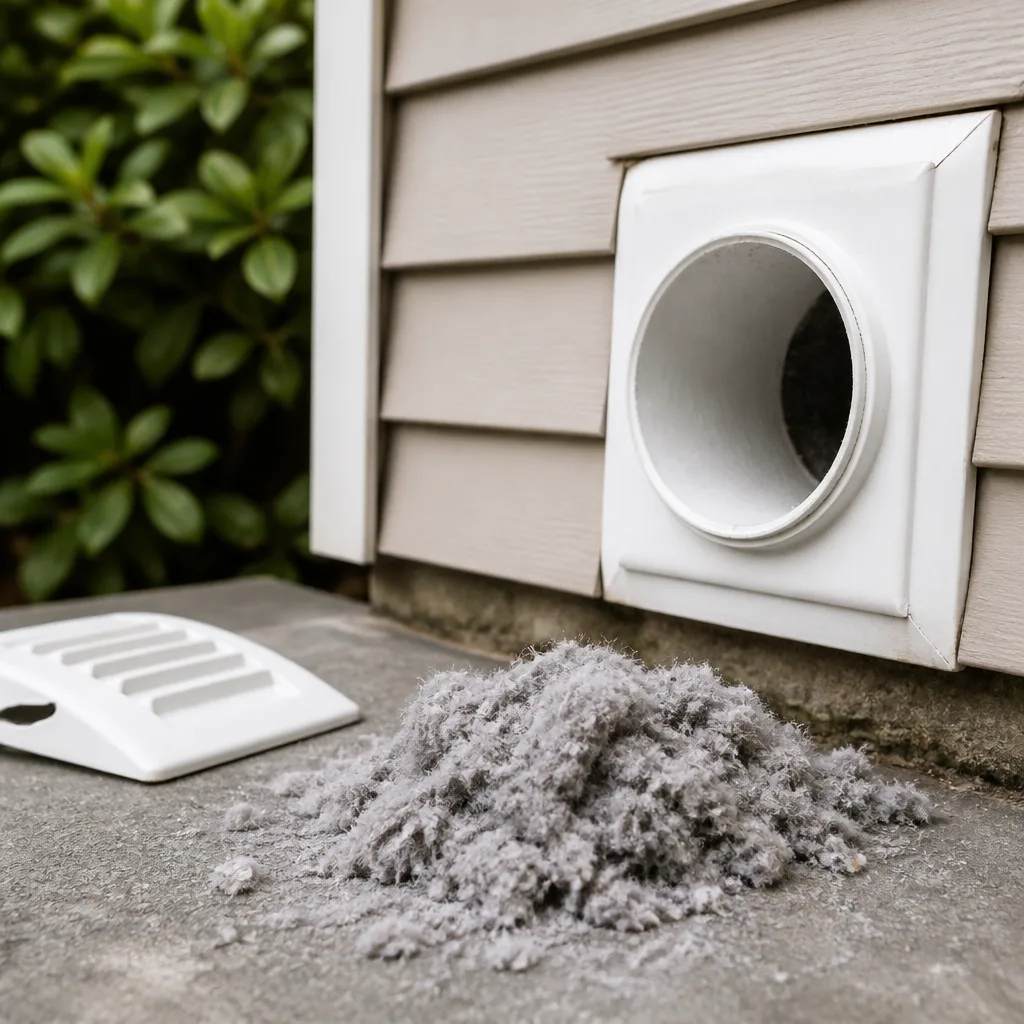 Dryer vent cleaning
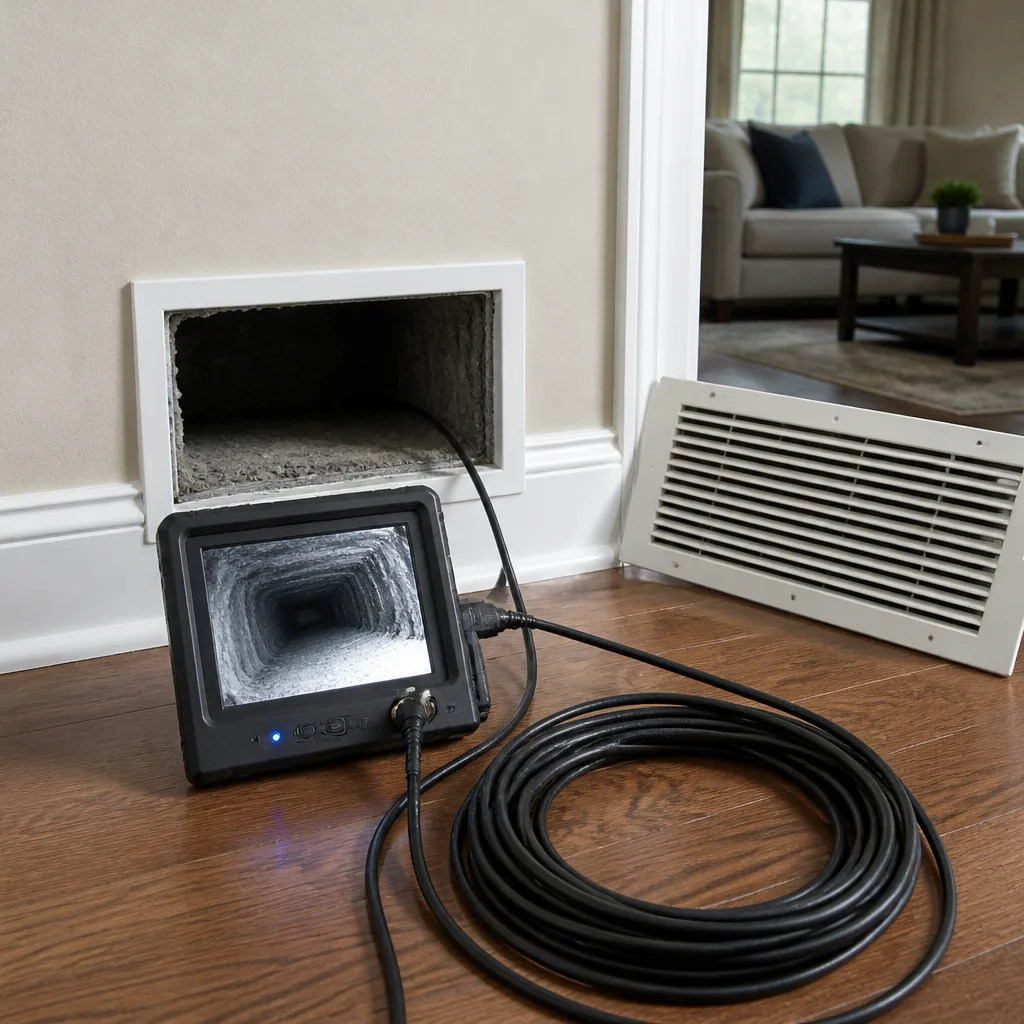 Camera inspection
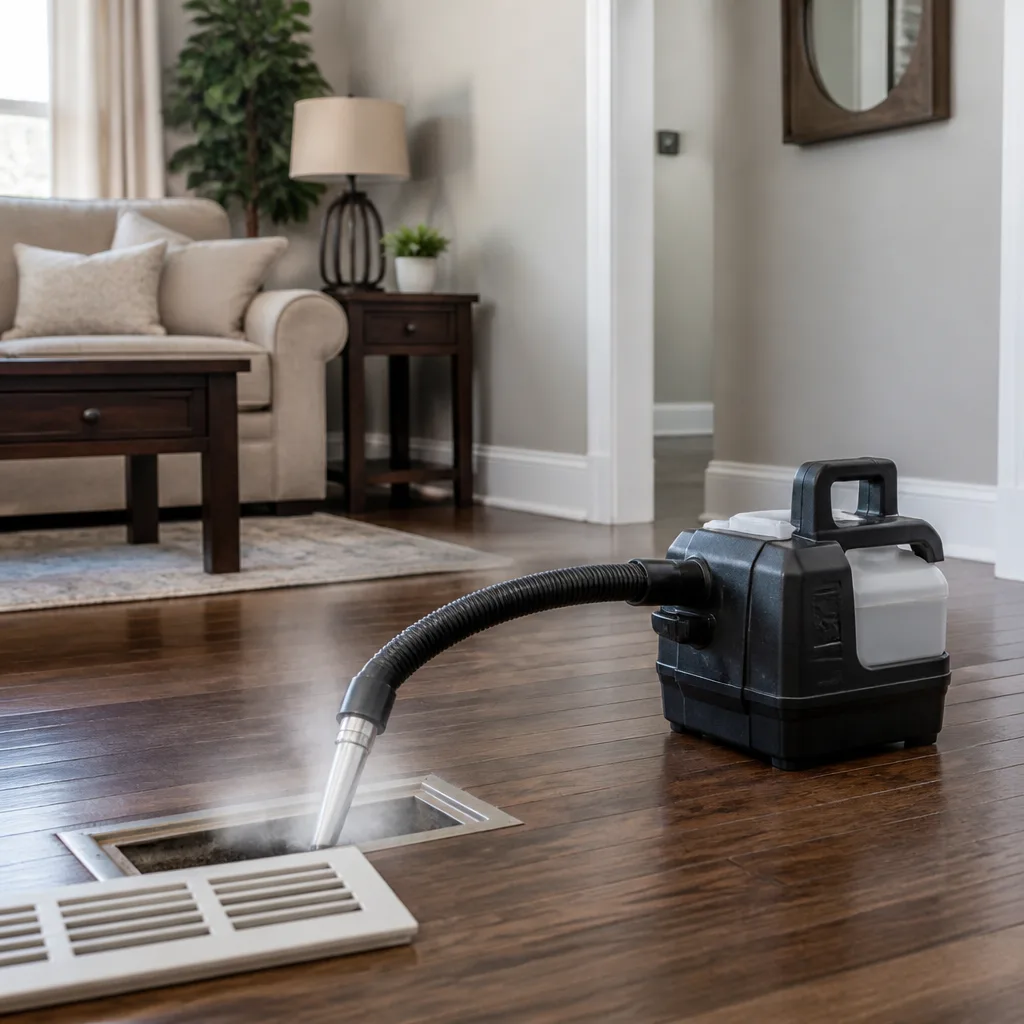 Sanitizing & deodorizing
Whole-system duct and dryer vent check with before-and-after photos - you see exactly what came out of your vents
That "$99 whole-house special" is a bait ad - the real number appears once they are in your hallway, or the "clean" is a shop-vac at the register. We photograph the inside of your ducts before and after instead.
How to Hire an Air Duct Cleaning Contractor in Porter Ranch: A Step-by-Step Guide
California does not require a specific state license to clean air ducts. That single fact explains almost everything confusing about this trade. It means the $49 special and a remediation-grade contractor can both legally knock on your door with the same legal standing, and nothing on a business card or a website will tell you which one you’re getting. Price won’t separate them. Neither will a friendly phone manner or a shiny van. What separates them is equipment, process transparency, and whether anyone on the crew can prove what they found inside your system. In this guide we’ll walk you through the exact questions to ask before you book anyone in Porter Ranch, how to read a real quote, and how to spot the specific red flags that show up in the Southern California market.
Quick Answer
To hire an air duct cleaning contractor in Porter Ranch, verify three things before you book: the contractor’s equipment (a truck-mounted vacuum rated for real airflow and contact-agitation tools like whips, not just a shop vac and compressed air), their credentials (NADCA membership and ACR standard compliance, verifiable in about 60 seconds), and their documentation (before-and-after photos, airflow readings, and a written scope of work). If any of the three is missing or vague, that’s your answer. Price is the last thing you should compare, not the first.
Styles & brands we work with
- Whole-home duct cleaning
- Dryer vent cleaning
- Camera inspection
- Sanitizing & deodorizing
Table of Contents
- Why California’s Licensing Gap Changes How You Should Vet
- The Two Equipment Questions That Separate Real Contractors
- NADCA Membership and the ACR Standard: What to Verify
- Red Flags Specific to the Southern California Market
- How to Read a Duct Cleaning Quote Line by Line
- Post-Cleaning Documentation: What You Should Receive
- Your Whole Air System: Cleaning, Repair, and Sealing
- Porter Ranch-Specific Considerations
Why California’s Licensing Gap Changes How You Should Vet
Most trades a homeowner hires carry a state license with a number you can look up. California’s Contractors State License Board issues licenses for a defined set of trade classifications, and air duct cleaning sits outside those defined classifications. That means a duct cleaner in Porter Ranch doesn’t need a license to clean ducts, and there’s no license number to verify.
This matters because it changes what vetting means. With a licensed electrician or plumber, your first question is “are you licensed?” and the website answer is a number you verify in two minutes. With duct cleaning, there’s no such shortcut. You have to evaluate the work itself, or rather the equipment and process that produce the work.
There’s a secondary layer to this in Porter Ranch specifically. The housing stock here is a mix of newer master-planned communities and older single-family homes, and the duct layouts vary widely. Flexible duct runs in newer builds, rigid metal trunk-and-branch in older ones, and a fair number of additions and enclosed-porch conversions that have retrofitted ductwork the original builder never anticipated. A generalist with a shop vac can’t handle that variability. A contractor with the right tools and a real inspection process can.
The practical takeaway: don’t wait for someone to fail a license check that doesn’t exist. Do the vetting up front by asking about equipment and process, and you’ll screen out the operators who can’t do the work before they ever set foot inside.
The Two Equipment Questions That Separate Real Contractors
This is the core of the entire hiring decision. Ask these two questions on the phone. The answers will tell you more than anything on a website.
Question 1: “What’s the CFM rating on your vacuum?”
CFM stands for cubic feet per minute, and it’s the measure of how much air the equipment moves. A truck-mounted or high-capacity negative-pressure vacuum will be rated in the thousands of CFM. A portable shop vac is measured in hundreds. The difference matters because a properly negative-pressured system pulls dust, debris, and debris-bound contaminants out of the ductwork and holds them in the collection system rather than redistributing them into the rooms.
When we run a job, we’re using Rotobrush and Nikro platforms, and the Abatement Technologies air-filtration equipment in our toolkit is the same class of gear used in professional restoration and remediation work. You don’t need to memorize our brands, but you should calibrate your expectation: if the contractor can’t tell you roughly what CFM their truck is rated for, they’re either guessing or the answer is small. “We have a powerful vacuum” is not an answer. “Our truck pulls X CFM at the source” is.
Question 2: “Do you use contact-agitation tools, or just compressed air?”
Compressed air alone doesn’t remove the bonded dust layer on the inside of duct walls any more effectively than blowing on a dusty shelf. It loosens the top layer and pushes it around. Real cleaning requires contact agitation.
- Whips are rotating brushes on a flexible shaft that physically scrub the duct interior as they travel.
- Skipper balls are compressed-air-driven paddles that knock debris loose from the duct walls while the vacuum pulls it out.
- Rotating brush heads similar to whips, used in different duct configurations.
A contractor who uses contact agitation and a high-CFM vacuum at the same time is set up to actually remove what’s stuck to the walls. A contractor with a shop vac and a compressor is set up to make a video of dust moving through the air. Ask which tools they use and how they access the ducts. The answer should sound specific.
NADCA Membership and the ACR Standard: What to Verify
NADCA stands for the National Air Duct Cleaners Association. It’s the trade association that publishes the ACR standard, which stands for Assessment, Cleaning, and Restoration. In an industry with no state licensing requirement, NADCA membership and ACR compliance function as the baseline professional credential. They’re not mandatory. They’re the voluntary standard that separates contractors who take the work seriously from those who don’t.
Here’s how to verify in about 60 seconds:
- Go to the NADCA website and use their member lookup.
- Type in the contractor’s business name or the city.
- Confirm the business appears as an active member, not just the person who sold you the job.
If they claim membership and don’t appear, that’s a significant red flag. If they’re not a member at all, ask why. There are legitimate reasons a newer contractor may not be, but there’s no good reason a serious one stays off the list for years.
The ACR standard itself is the second half of the credential. It defines what a proper cleaning job actually is: an assessment of the system before work begins, source removal cleaning (not just blowing dust downstream), and a post-cleaning verification step. Ask a candidate whether they follow the ACR standard, and if they do, ask them to walk you through how they handle the assessment and verification phases. A contractor who knows the standard knows what the phases are. A contractor who’s heard the acronym but not the process will give you a vague answer.
Red Flags Specific to the Southern California Market
Some red flags are universal. Others show up more in the Southern California duct cleaning market, and Porter Ranch homeowners should know them.
Out-of-area phone numbers routing to a local dispatcher
If the number on the website is a toll-free number in a different area code and the employee who answers can’t tell you what part of the system they’ll access first or how the local crew is set up, you’re probably talking to a call center. Call centers pass leads to whoever will take the job for the lowest margin. That contractor may be excellent. Often they’re not.
Bait-and-switch pricing on “mold findings”
A common pattern: the initial quote is small, the crew arrives, and within an hour someone “discovers” mold in the system and quotes a sanitizing and remediation job at a multiple of the original price. Sometimes there is mold. More often the “discovery” is a staged talking point made with an iPhone flashlight. A contractor who brings real camera inspection equipment will show you footage of what they found and let you decide. A contractor who can’t show you footage on the spot is asking you to take their word.
Crews arriving without camera inspection equipment
Duct interiors are invisible. The only way to see what’s happening inside is with a camera. If the crew shows up with a vacuum, a whip, and nothing else, they can’t verify what condition your system is in before or after. Ask on the phone whether they’ll bring a camera.
Pressure to book immediately
Any contractor who needs a decision today is telling you something about their schedule, and it isn’t good. The job is a scheduled maintenance task, not an emergency.
No written scope of work before booking
You should know before the crew arrives what will be cleaned, how many vents, what materials, and whether sanitizing is included or optional. If they can’t put it in writing, keep looking.
How to Read a Duct Cleaning Quote Line by Line
A real quote is specific. Here’s what a well-structured estimate should contain, and what the absence of a line item probably signals.
| Line item | What’s included | Red flag if missing |
|---|---|---|
| Number of vents | A count of supply and return vents to be cleaned | The contractor isn’t inspecting before quoting |
| Linear footage | Approximate duct run length as assessed on site | Flat fee with no system assessment |
| Cleaning method | Contact-agitation tools, negative-pressure vacuum specs | The “process” is marketing copy |
| Sanitizing | Separately listed, optional, quoted on its own | Bundled so you can’t compare |
| Repair and sealing | Noted as separate line if issues are found | Cleaning-only contractor who’ll hand off repair work |
| Scope of work | What will be cleaned, what won’t, what “done” means | You won’t be able to verify completion |
A suspiciously short quote – one line, one price, no further detail – is telling you the contractor intends to decide what the job is when they arrive. That’s not a quote, it’s a price hook. Expect the number on the invoice to look different from the number on the quote.
The reverse is also true. A quote that lists ten line items, each with a specific description and a clearly separated optional sanitizing charge, is a contractor who is prepared to do exactly what’s written and be held to it.
Post-Cleaning Documentation: What You Should Receive
Before-and-after documentation is not a nice-to-have. It’s what you should expect from any professional service that works on a component you can’t see. When a plumber replaces a water heater, you can see the new heater. When a duct cleaner finishes, the ducts look exactly the same from inside your living room. Documentation is how you know what changed.
You should receive:
- Before-and-after photographs or video of the duct interiors – from the same points in the system, ideally showing the same section.
- Airflow readings at the registers, before and after.
- A written scope of work confirming what was cleaned, what was repaired, and what was flagged as a concern but not addressed.
- Material disposal and sanitizing records if sanitizing was performed.
Contractors who don’t offer this are telling you something about their standard of care. If they don’t document, they’ve never been asked to. If they’ve never been asked to, they’re not working in a market where verification is expected. You want to work with a contractor who is already in the habit of producing evidence, because it means their baseline is high before you even ask.
This is where being able to see the difference matters. When we clean a Porter Ranch home, the before-and-after photographs are yours to keep. The point isn’t to impress you during the visit. It’s that you’ll want to compare those photographs next time you have the system cleaned, to see what’s accumulated in between.
Your Whole Air System: Cleaning, Repair, and Sealing
Ductwork isn’t a standalone system. It’s a pathway that connects your return air, through your HVAC equipment, and out through supply registers. Cleaning only part of it is like cleaning half a room. A serious contractor addresses the whole pathway, and in Porter Ranch where systems run through a range of housing types, that means being prepared to find issues that cleaning-only contractors simply don’t fix.
Ask whether the following are part of the service offering or subcontracted:
- Duct cleaning for supply and return lines.
- HVAC cleaning including evaporator coil and blower areas.
- Duct repair and sealing for sections with tears, disconnected joints, or significant leakage.
- Dryer vent cleaning, which is a separate fire and efficiency concern that benefits from being done during the same visit.
- Air sanitizing when the system has shown mold, smoke, or post-event contamination.
If a cleaner can’t do repair and sealing, you’ll be hiring a second contractor to complete the job the first one started. That’s worth knowing before you book, not after. If you’re interested in seeing what this full lifecycle looks like in one place, you can review our air duct cleaning Porter Ranch service details before the call. The goal is a system that’s clean, sealed, and verified, not one that’s been vacuumed at the surface and left with leaks.
When repairs are done alongside cleaning, we’re pulling from the same equipment set that supports the cleaning work, which means the job is completed under one scope and one point of responsibility. There’s no handoff, no scheduling gap, no “the other contractor needs to come back.”
Porter Ranch-Specific Considerations
Porter Ranch is a specific place with its own air and housing conditions, and those conditions affect how a duct cleaning should be approached.
The climate here is dry and warm through most of the year, but it’s not severe. Winters are mild, and the local weather doesn’t produce the deep freeze issues that dominate duct concerns in colder parts of the country. What does dominate here is dust. Inland valley air carries fine particulate most of the year, and that particulate finds its way into return air ducts, settles on the inside walls of ductwork, and compacts over time. Homes in Porter Ranch that sit near open hillsides or that run their systems frequently through the warmer months accumulate more of this than a casual surface inspection would suggest.
Recent construction and renovation are another Porter Ranch-specific factor. When a home is renovated or a new build is finished, drywall dust, sawdust, and construction particulate travel through an HVAC system that’s running during the work. Even well-masked systems pull airborne dust into the return. If your house has had any significant renovation or finish work in the last couple of years, the ducts are probably carrying more than the eye can suggest, and cleaning should include equipment suited to fine particulate rather than just large debris.
Allergies and household composition also drive urgency. Homes with young children, older adults, or people with respiratory sensitivity see more value in a clean system because the volume of air moving through the ducts is high, and even a modest accumulation matters more. That’s part of why we won’t quote a job without inspecting first. The correct scope for a Porter Ranch home depends on what’s actually in the system, and that’s different for a newer build than for an older home with an addition.
If you want to see the difference between routine cleaning and full lifecycle work, our air duct cleaning page shows how a full job is scoped and documented. The dryer vent cleaning and HVAC cleaning services are worth reviewing too if you’re scheduling a single visit and want to consolidate maintenance.
Common Mistakes to Avoid
- Booking based on the advertised price alone. The $49 or $89 special is a lead-generation figure, not a job price. Compare quotes on included line items and equipment specs, not on headline price.
- Not asking about camera equipment before booking. A crew that can’t show you what’s inside your ducts can’t show you what they removed. Ask on the phone and treat a vague answer as a no.
- Accepting a mold finding without evidence. If a technician tells you there’s mold in the system mid-job, ask to see the footage. Legitimate findings come with video or photographs, not with a revised quote and an urgency pitch.
- Confusing a clean-looking floor for a clean system. Duct interiors don’t improve visually from your living room. Documentation is the only proof, and it should be in your hands at the end of the visit.
- Ignoring duct repair in the quote. A properly sealed duct system holds pressure and distributes air evenly. If the contractor only cleans and doesn’t inspect for leaks and tears, the cleaning is less effective than it should be.
- Hiring a cleaning-only outfit for a system that needs repair. It’s not a knock on cleaning-only contractors, but if your ducts have disconnected joints or tears, you’ll need a second contractor to finish the work. Ask whether repair and sealing are in-house services before you book.
- Skipping the NADCA verification because it feels like extra work. It’s 60 seconds. In an industry with no state license requirement, that 60 seconds is the only official credential you can check.
See the difference
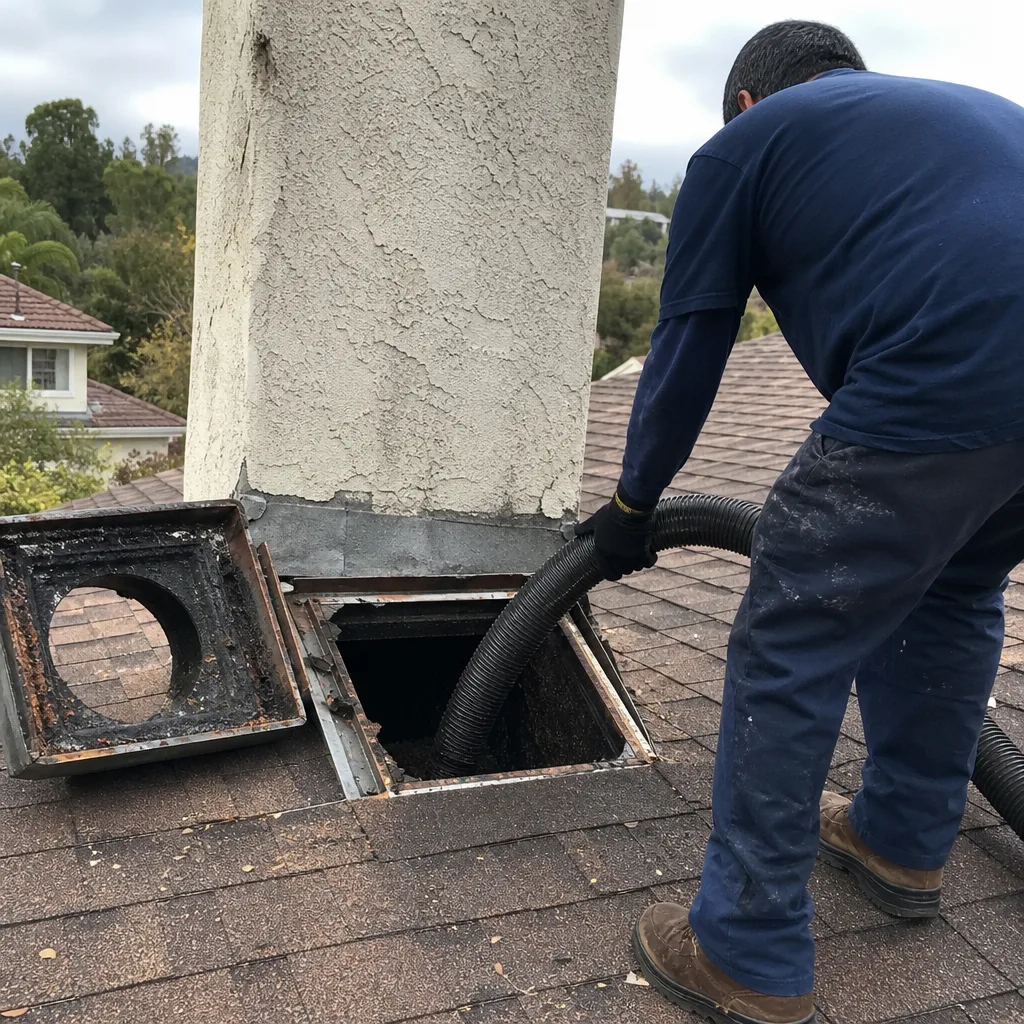 Before
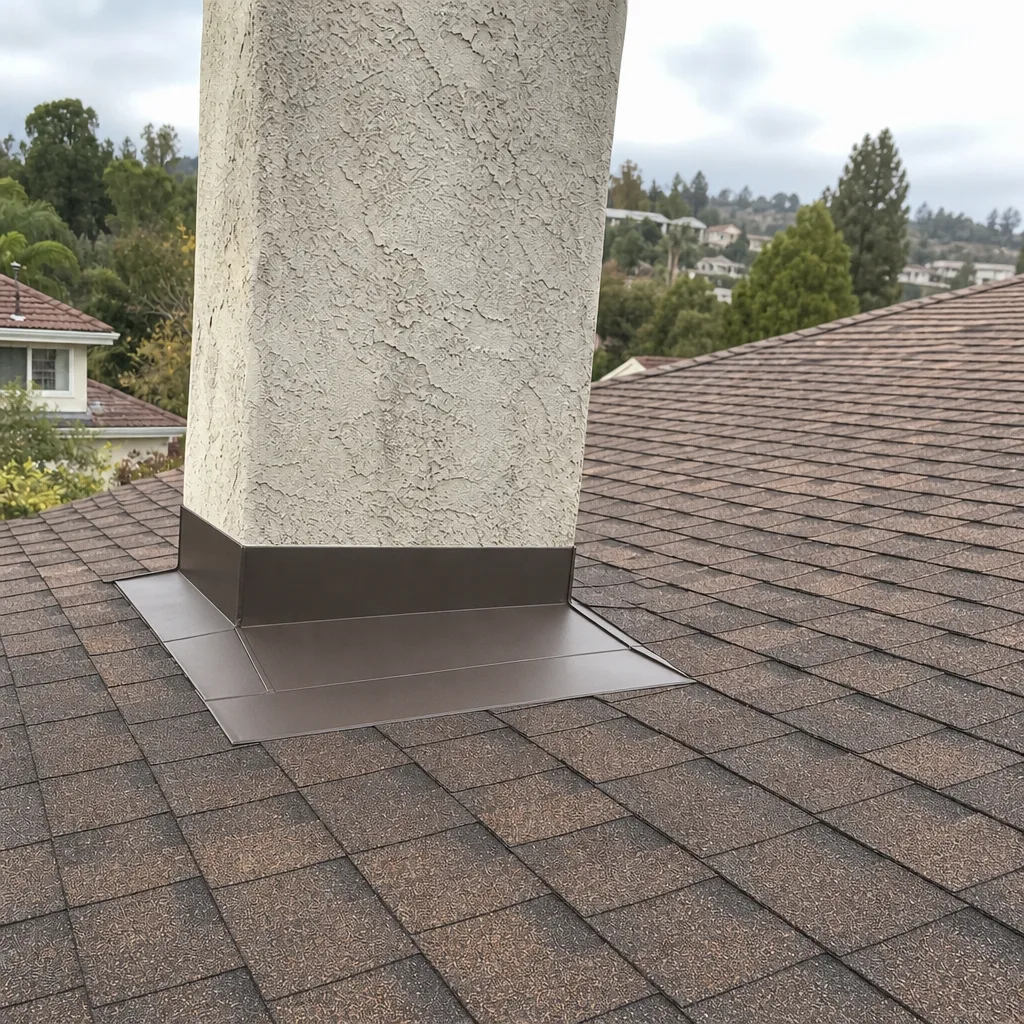 After
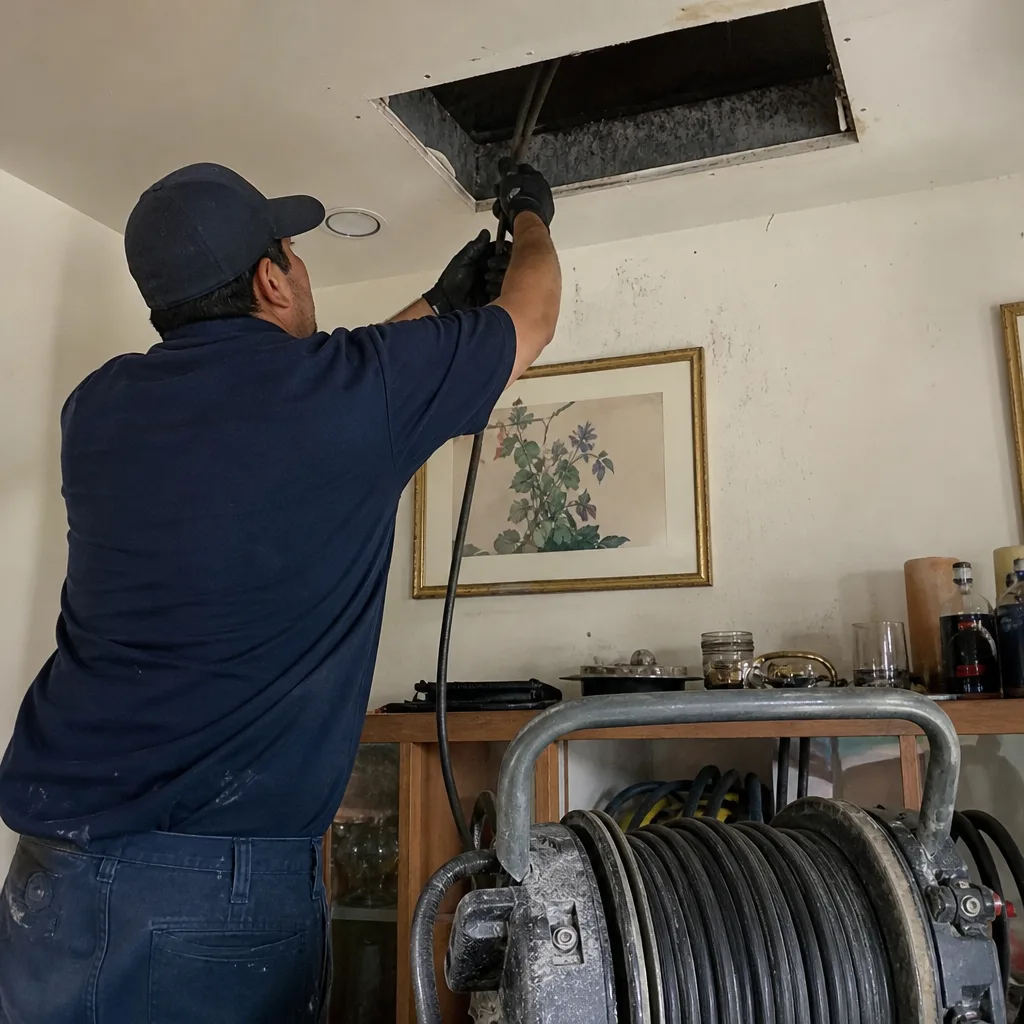 Before
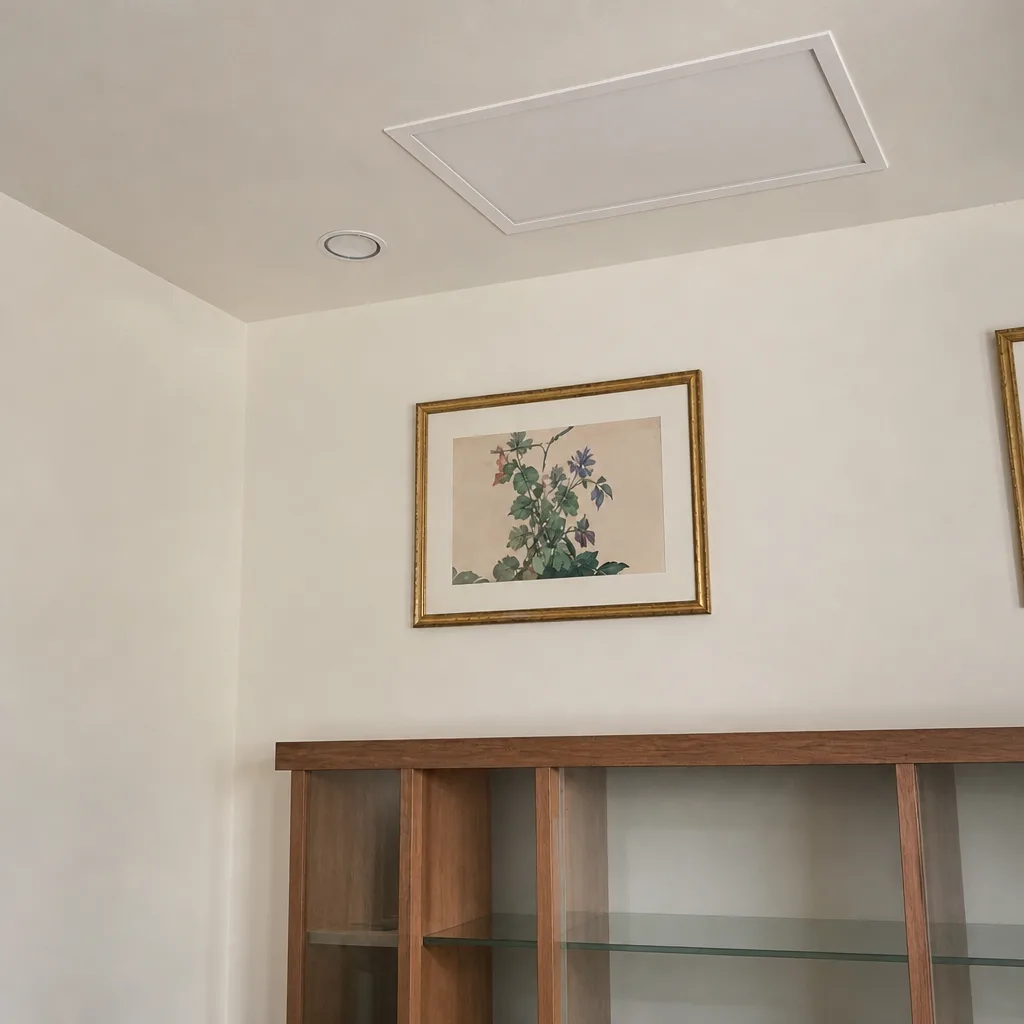 After
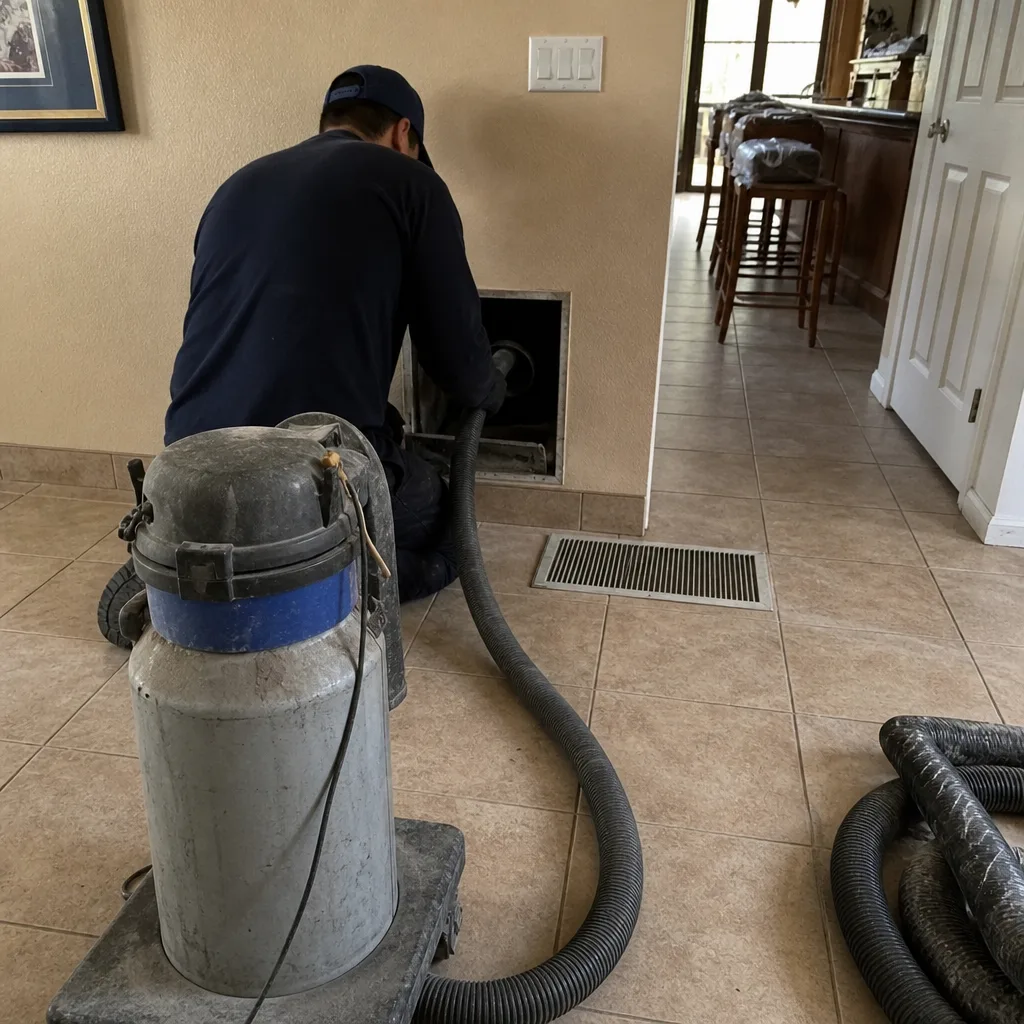 Before
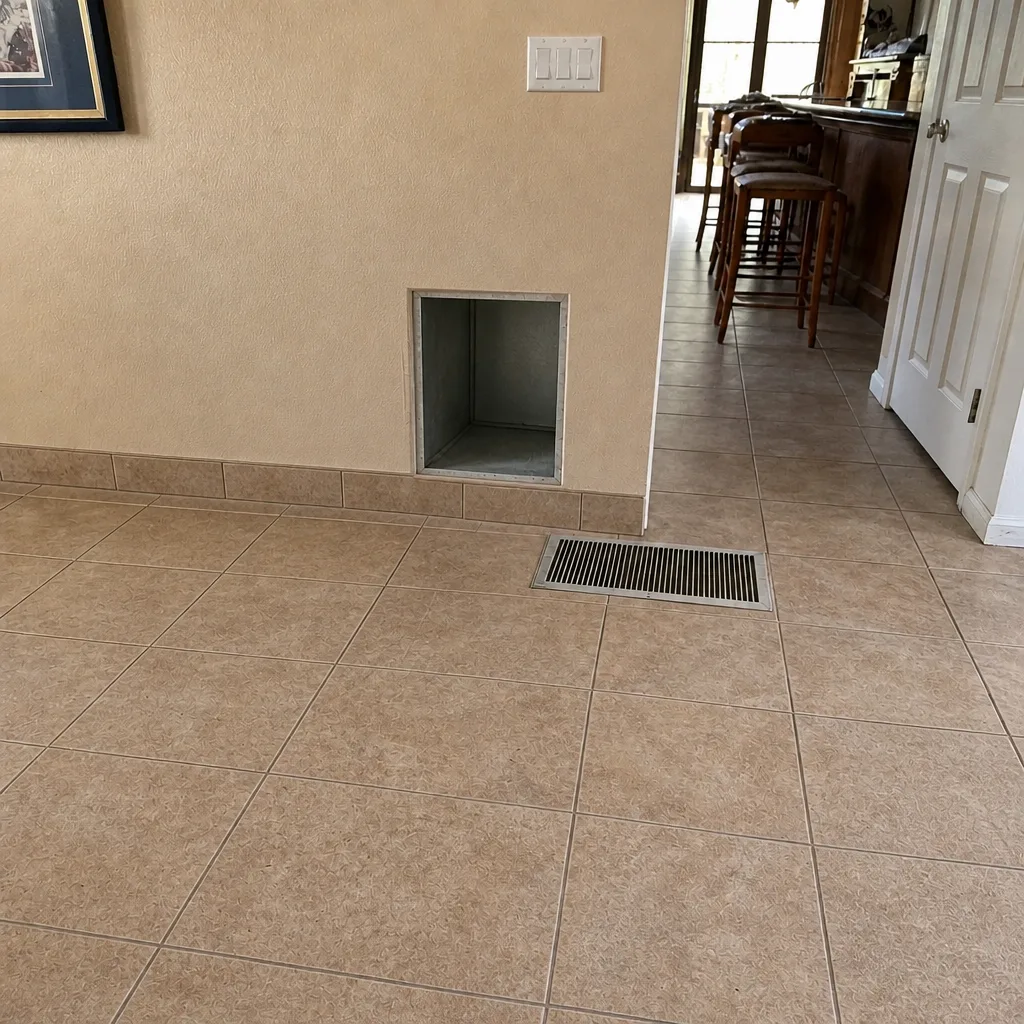 After
When to Call a Professional
Routine duct cleaning is worth scheduling when you notice increased dust on surfaces, musty or stale odors when the system turns on, visible dust around return registers, or a recent renovation that generated construction dust. It’s also worth scheduling after any water intrusion near the system, after a fire event that sent smoke through the house, or when anyone in the home has respiratory sensitivity and you don’t know what condition the ducts are in. Duct repair and sealing should be scheduled when you notice uneven airflow between rooms, whistling at registers, or visibly damaged flex duct in the attic. And dryer vent cleaning belongs on the same list for anyone who’s been in the home more than a couple of years without it. Air Duct Cleaning Porter Ranch offers free estimates in Porter Ranch – call (833) 570-5137. We answer 24/7. Fast dispatch from 7am to 7pm, Sunday through Friday. Our technicians have up to 14 years of experience, and they’ll walk you through exactly what they find.
Frequently Asked Questions
Typical pricing depends on the number of vents, the linear footage of ductwork, and whether repair, sealing, or sanitizing are included in the scope. There’s no published market rate, because every system assessment is different, and any contractor who quotes a firm figure before inspecting is guessing or planning to revise the quote on site. Ask for a written scope of work with line items before you commit. Call (833) 570-5137 for an exact quote – estimates are free.
A very low quote usually reflects a smaller scope of work or a different grade of equipment than the higher quotes. A shop-vac-and-compressor combo costs the contractor almost nothing to operate, so a low figure still makes a margin. A truck-mounted negative-pressure vacuum running contact-agitation tools costs real money to operate, and that cost shows up in the quote. The cheaper option is cheaper because it’s less work with less equipment. That doesn’t make it a scam in every case, but you should know what you’re paying for before booking. Call (833) 570-5137 to compare our scope against a lower bid – estimates are free.
Before-and-after photographs or video of the duct interiors, airflow readings at the registers, and a written scope of work confirming what was completed. Without those three, you’re taking the contractor’s word for it, and you have no way to compare quality next time the system is cleaned. A serious contractor will supply documentation without being asked. Call (833) 570-5137 to learn what documentation we provide – estimates are free.
There’s no fixed interval that applies to every home. The honest answer depends on what your system contains. Homes with pets, recent renovations, ongoing allergy concerns, or consistent dust buildup on surfaces often benefit from cleaning more frequently than the general recommendation of every few years. Homes in low-dust environments with no such issues can go longer. An inspection tells you what your system actually needs. Call (833) 570-5137 to schedule an assessment – estimates are free.
No – California does not require a specific state license to clean air ducts, and that applies in Porter Ranch as it does statewide. The practical consequence is that you can’t verify credentials through a state database the way you would for a plumber or electrician. You have to verify equipment, process, and association membership instead. That’s why the two equipment questions and the NADCA check in this guide matter more than they would in a licensed trade. Call (833) 570-5137 to walk through our equipment and process – estimates are free.
Yes. Duct cleaning, repair, and sealing are handled as part of the same service relationship, which means you won’t need a second contractor if the inspection turns up torn flex duct, disconnected joints, or leaky sections. That’s a real difference from cleaning-only outfits. If your system needs repairs, they’re addressed during the same visit rather than scheduled as a follow-up. Call (833) 570-5137 to discuss what your system needs – estimates are free.
The Bottom Line
Hiring a duct cleaning contractor in Porter Ranch comes down to three questions that separate serious contractors from the rest: what’s the CFM rating on your vacuum, do you use contact-agitation tools, and can I see your NADCA membership. If the answers are specific and verifiable, you’re on the right track. If they’re vague, walk away. Once you’ve cleared those, ask about documentation and whether repair and sealing are in-house. The contractors who pass all four checks are the ones who will show you what they removed, prove they removed it, and stand behind the work. The $49 special can’t compete with that on capability, and it never should have been the thing you were comparing.
Air Duct Cleaning Porter Ranch offers free estimates in Porter Ranch. We answer 24/7. Fast dispatch from 7am to 7pm, Sunday through Friday. We work with Rotobrush and Nikro platforms, supply and install Aprilaire and Honeywell indoor air-quality products, and offer duct cleaning, duct repair and sealing, HVAC cleaning, dryer vent cleaning, and air sanitizing as part of one service relationship. Call (833) 570-5137 to book an estimate and find out what your system actually needs.
Written by the team at Air Duct Cleaning Porter Ranch.