
Last updated November 22, 2026
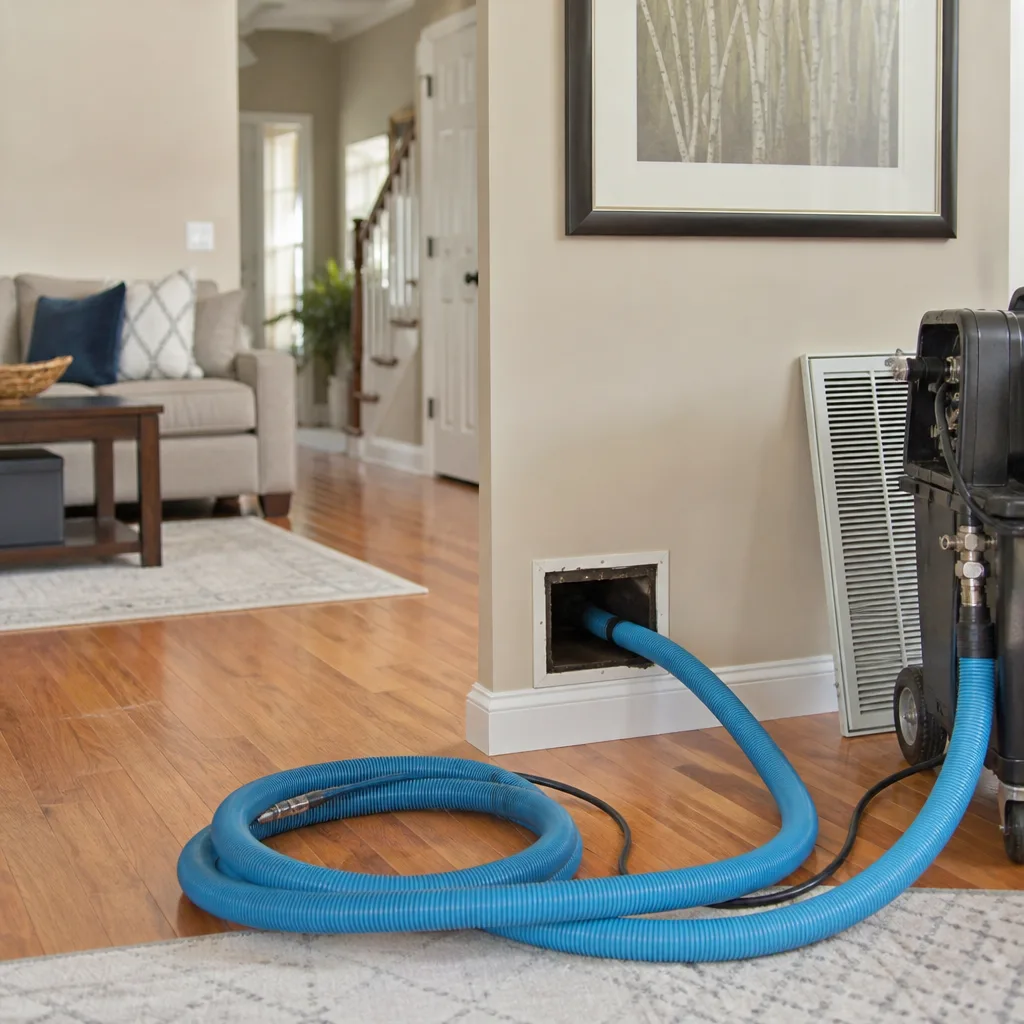 Whole-home duct cleaning
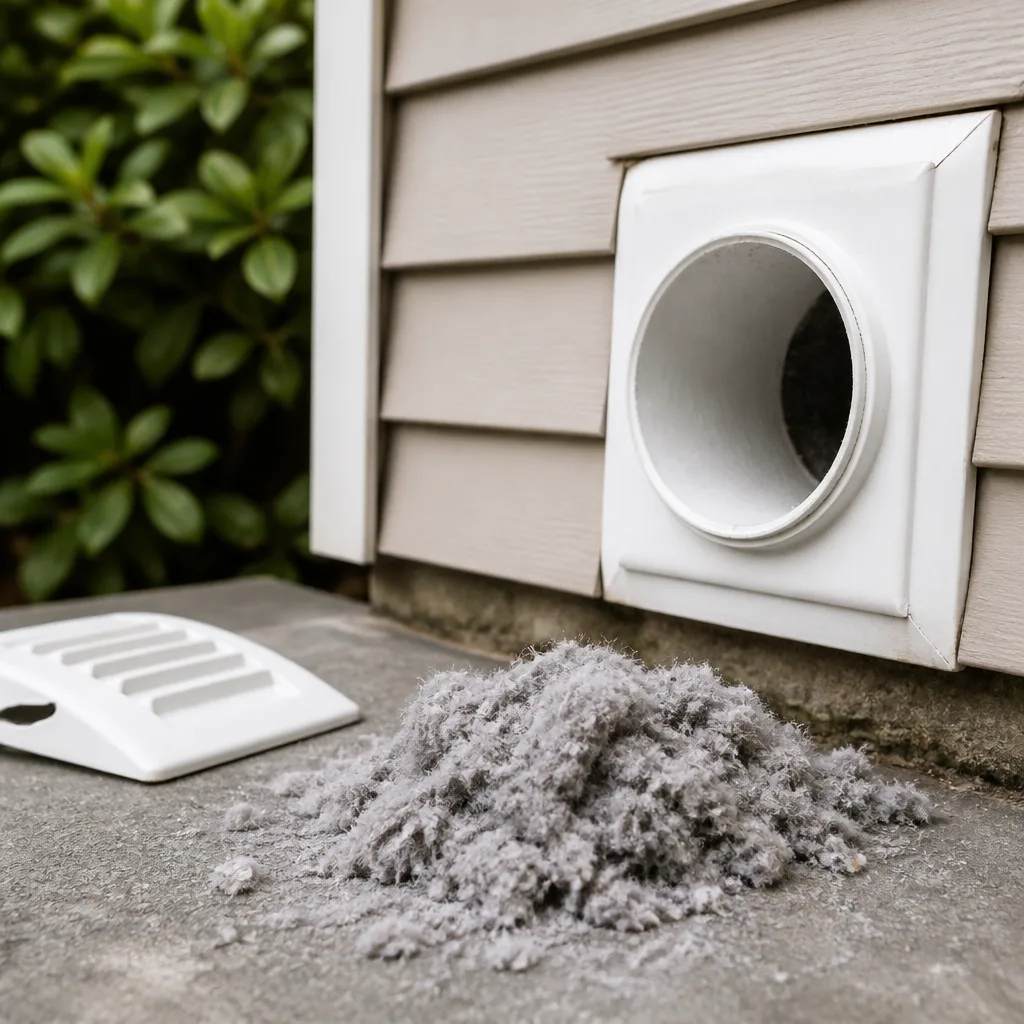 Dryer vent cleaning
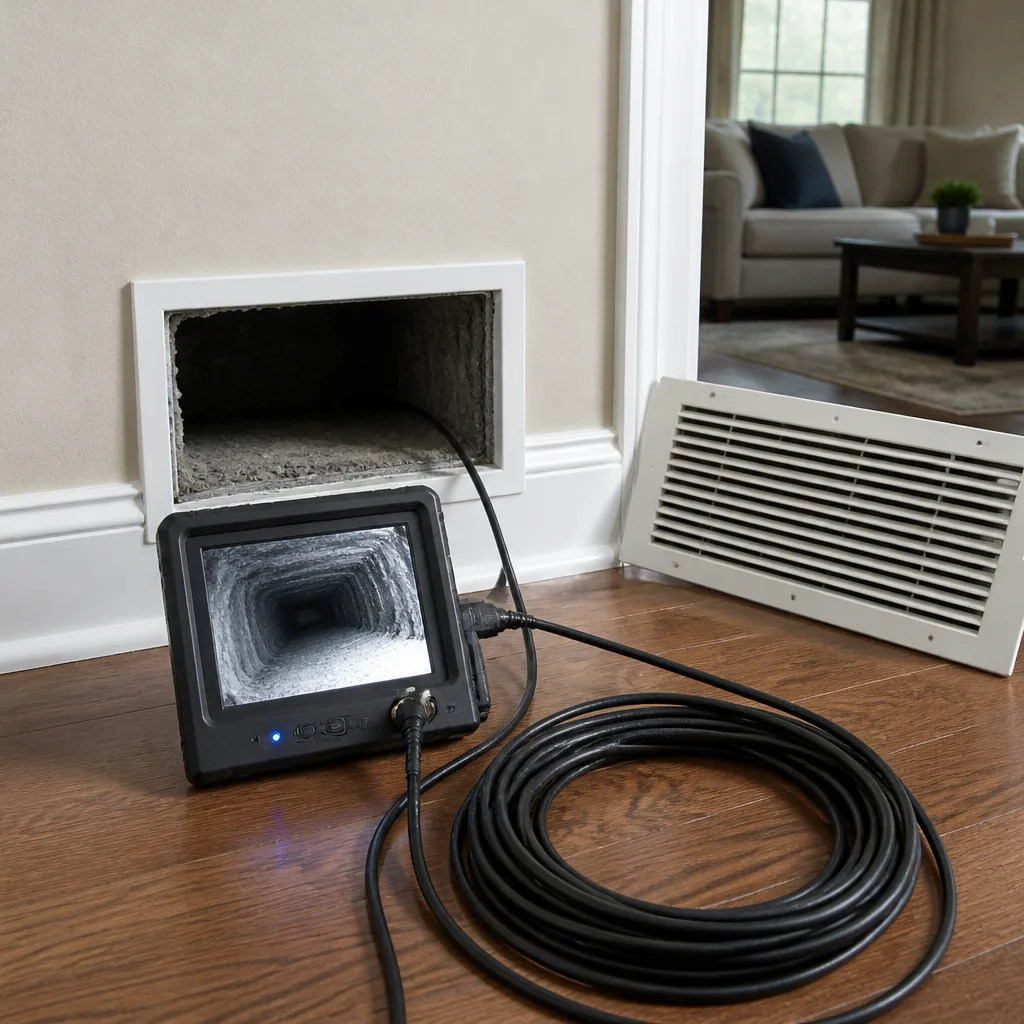 Camera inspection
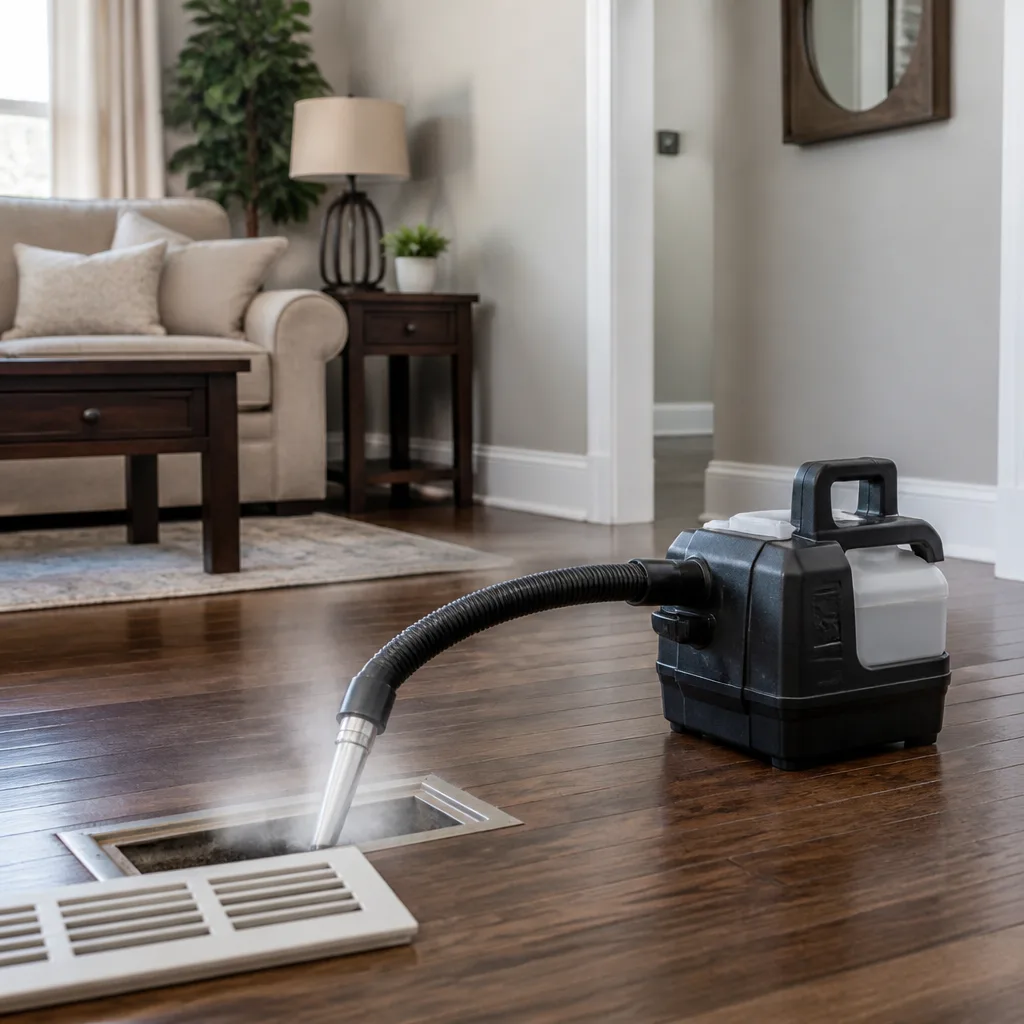 Sanitizing & deodorizing
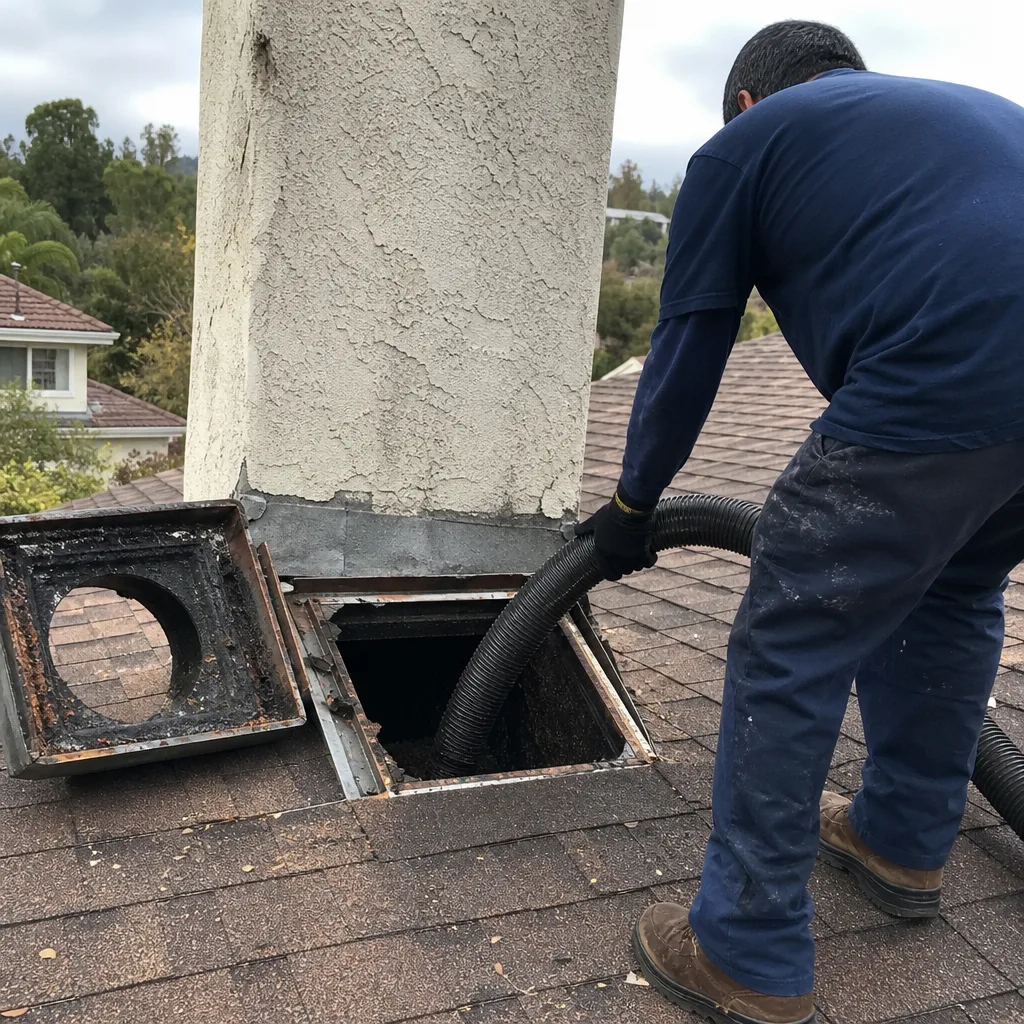
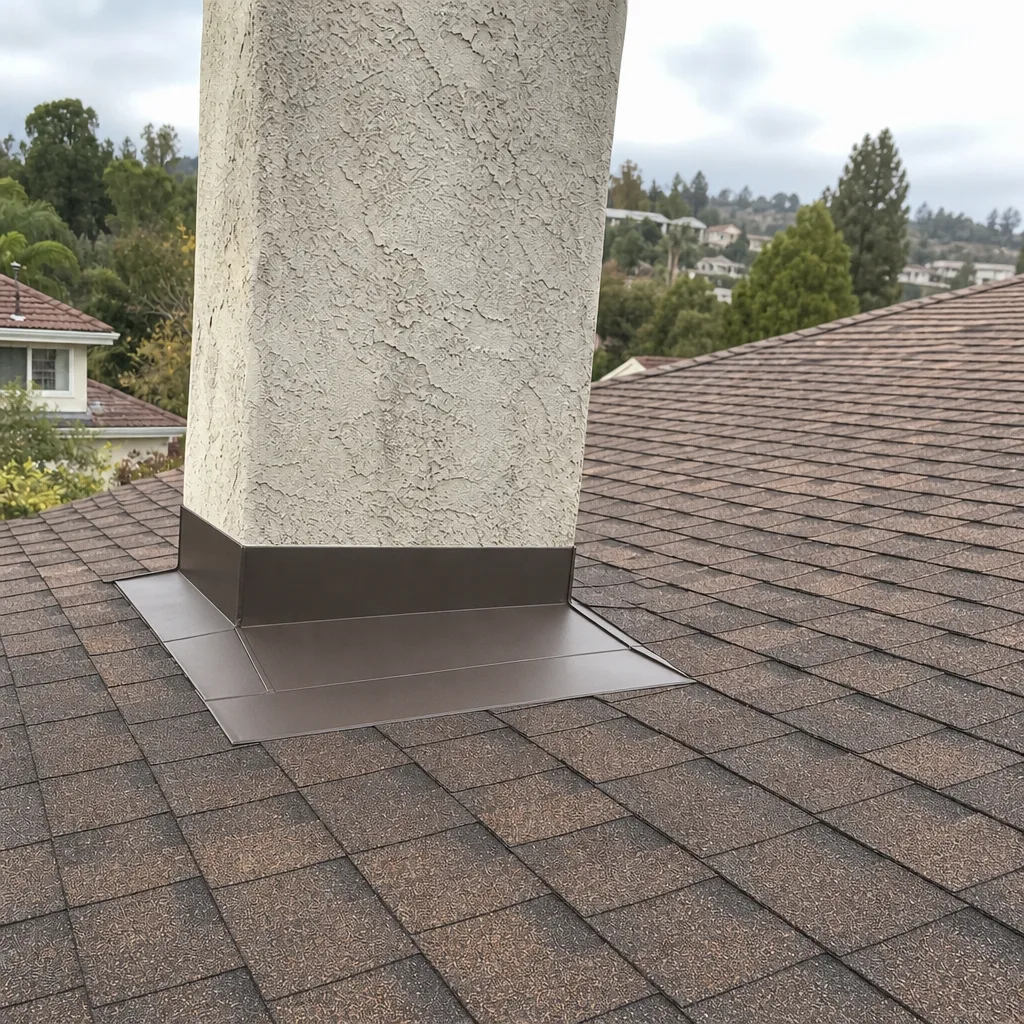
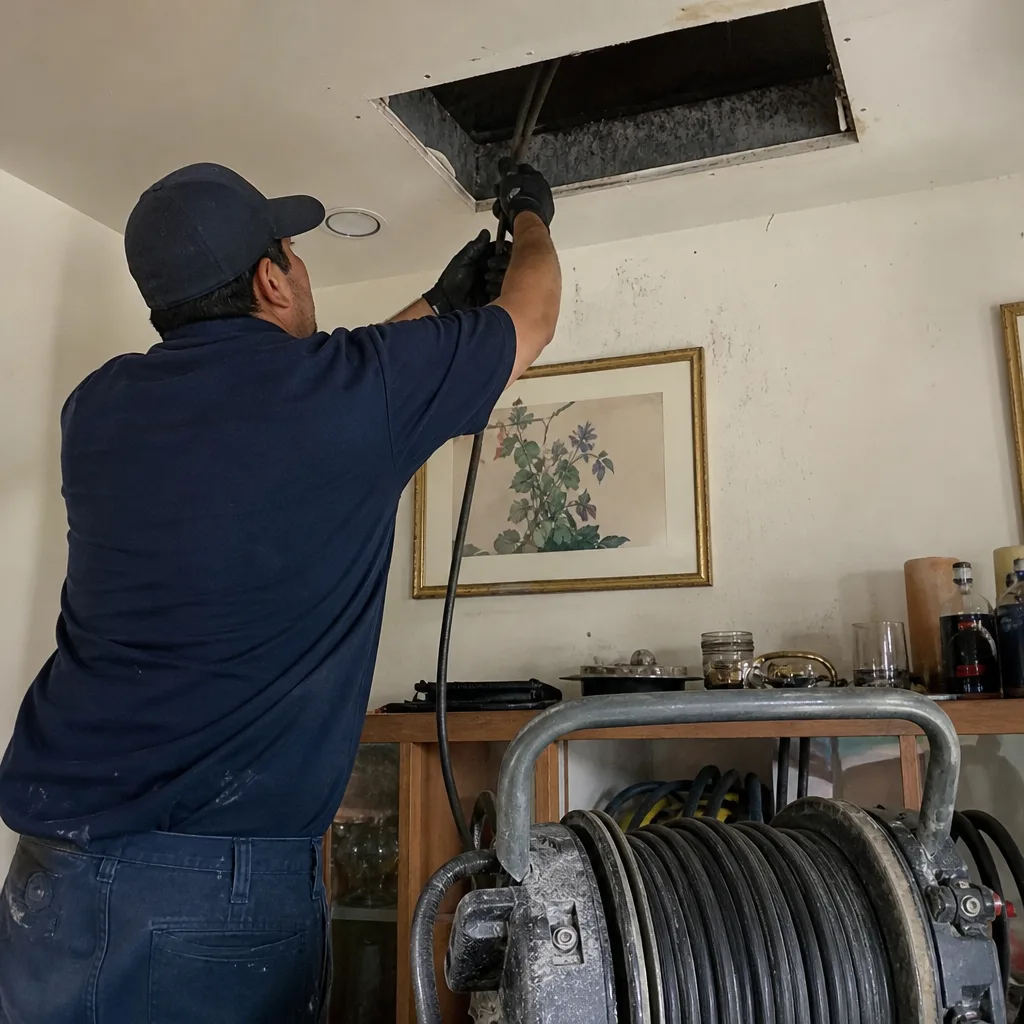
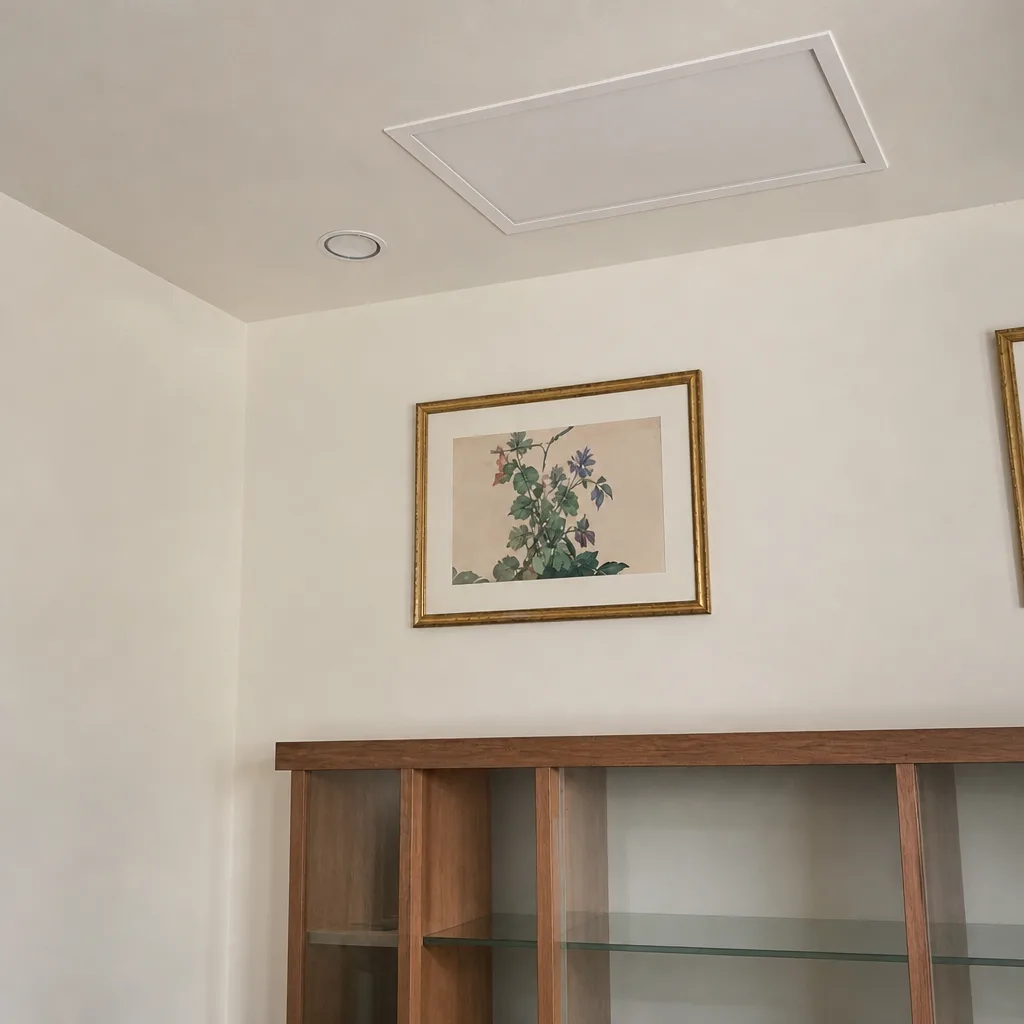
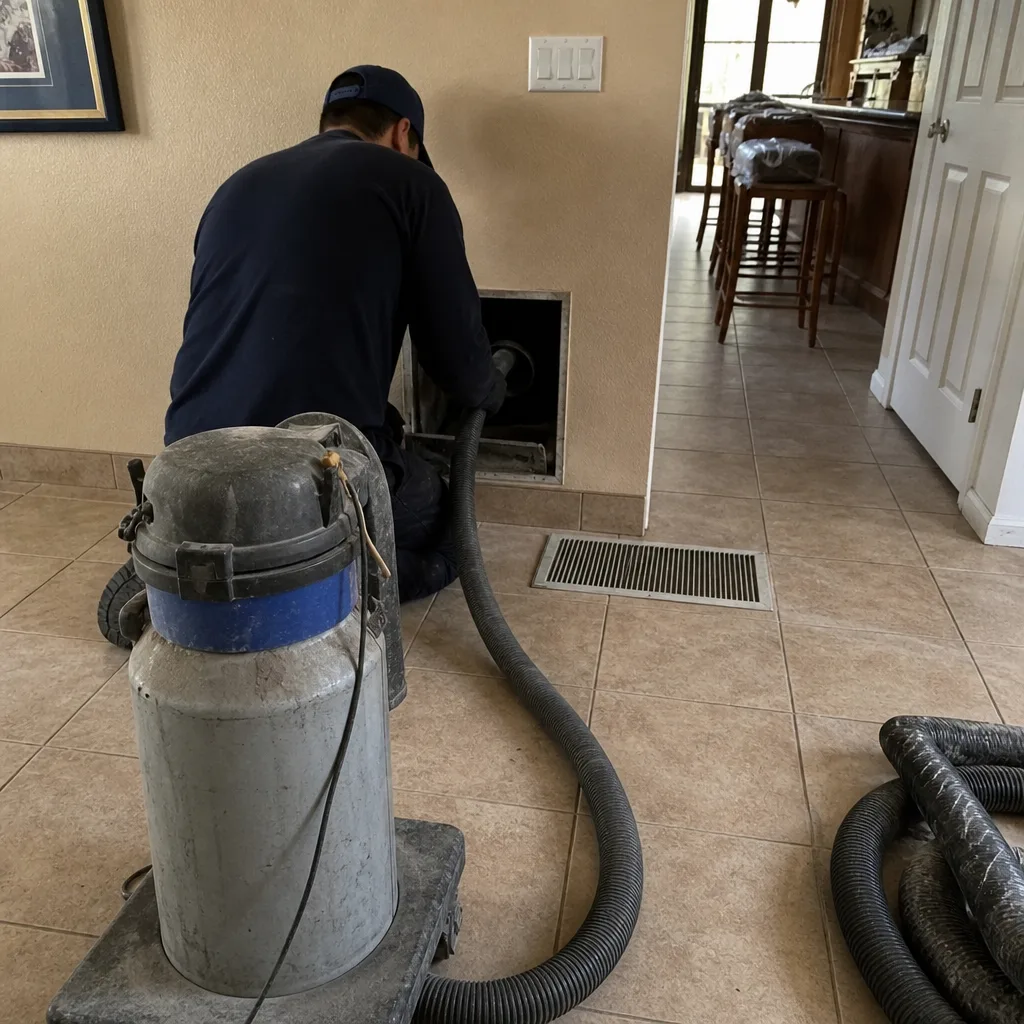
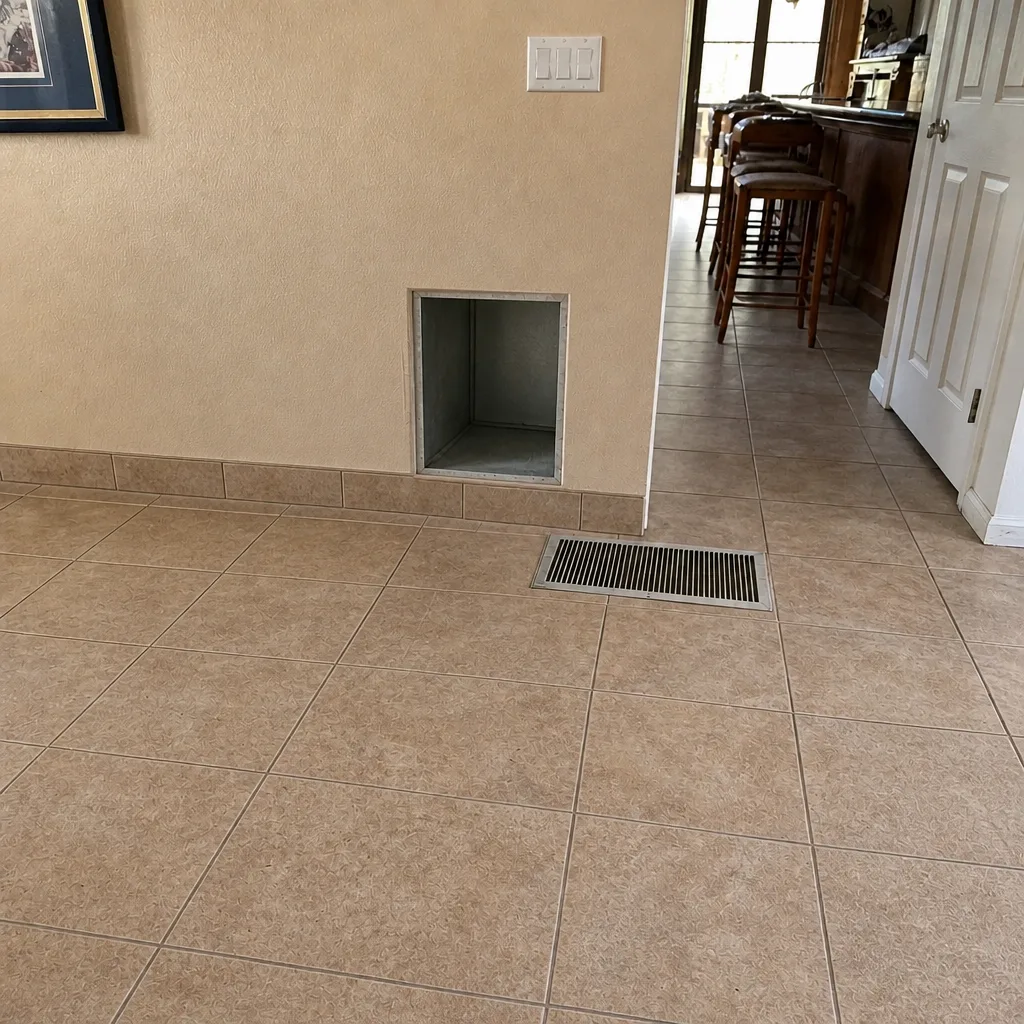
Whole-system duct and dryer vent check with before-and-after photos - you see exactly what came out of your vents
That "$99 whole-house special" is a bait ad - the real number appears once they are in your hallway, or the "clean" is a shop-vac at the register. We photograph the inside of your ducts before and after instead.
Seasonal Air Duct Cleaning Care for Porter Ranch: Year-Round Homeowner’s Guide
Most seasonal duct-care advice you’ll find online was written for a place with four textbook seasons. Porter Ranch doesn’t work that way. We don’t get deep freezes or heavy snow, but we do get four distinct HVAC stress periods, each one loading your ductwork differently. Telling Porter Ranch homeowners to “schedule duct cleaning in spring or fall” ignores the Diablo wind season that runs September through November, which can push more fine particulate into a home’s return system in a week than six months of ordinary HVAC operation. This guide replaces generic seasonal advice with a calendar built around what actually happens here: summer heat-dome duty cycles, fall wildfire-wind loading, winter furnace startup, and spring construction dust from the ongoing development around the area. By the end, you’ll know what to check, when to act, and how to build your own 12-month log instead of following a checklist written for another climate.
Styles & brands we work with
- Whole-home duct cleaning
- Dryer vent cleaning
- Camera inspection
- Sanitizing & deodorizing
Quick Answer
Air duct cleaning in Porter Ranch is best timed around the four local stress periods rather than the traditional calendar: a post-wind-event cleaning in late fall removes the heaviest particulate load, a filter upgrade before summer supports long AC duty cycles, a furnace-startup inspection marks the winter transition, and a spring service clears the pollen and construction dust that clogs return filters fastest. Most Porter Ranch homes don’t need cleaning four times a year; they need the right action at each seasonal trigger, with a full professional Air Duct Cleaning Porter Ranch visit on a one-to-three-year cadence depending on how close the home sits to active construction and how often windows and doors stay open during wind events.
Table of Contents
- Why Generic Seasonal Advice Fails in Porter Ranch
- Fall (September-November): Diablo Winds and the Highest-Risk Loading Period
- Summer (June-September): Heat-Dome Duty Cycles and Filter Upgrades
- Winter (December-February): Furnace Startup and the Filter-vs-Cleaning Decision
- Spring (March-May): Construction Dust and Pollen Load
- How to Build Your 12-Month Duct-Care Log
- Filters, Filtration, and the MERV Conversation
- What a Full-System Service Actually Includes
- Common Mistakes to Avoid
- When to Call a Professional
- Frequently Asked Questions
- The Bottom Line
Why Generic Seasonal Advice Fails in Porter Ranch
The standard advice assumes a cold-winter, humid-summer climate. Porter Ranch sits in a warm inland valley with a very different stress profile. Our summers run long and hot, our winters are mild, and our shoulders carry wind events that carry fine ash, dust, and particulate from surrounding wildland. Those conditions change what your ducts are actually doing each month.
There’s a second factor that makes Porter Ranch unusual: sustained residential construction. New development and remodels across the area mean outdoor particulate from grading, concrete work, and framing is present in the air for weeks at a stretch. That dust finds its way to return-side filters and, when filters load faster than the homeowner expects, into the duct system itself.
Here’s the practical difference. A climate-neutral guide tells you to clean your ducts “once a year.” A Porter Ranch-specific approach looks at four real load events:
- Fall wind events: fine particulate pushed indoors by Diablo winds, the heaviest single loading period.
- Summer heat: extended AC runtime at high duty cycles that mobilizes settled debris.
- Winter startup: the first heating run after months of dormancy, when stale dust burns off and filters need inspection.
- Spring construction season: outdoor dust and pollen combining to load return filters at their fastest rate.
Each period calls for a different response. Sometimes that’s a cleaning. Often it’s a filter change, a return-side inspection, or a sealing check. The skill is in matching the action to the event instead of running the same routine four times a year.
Fall (September-November): Diablo Winds and the Highest-Risk Loading Period
Fall is the highest-risk loading period for ducts in Porter Ranch. Diablo wind events and the broader Santa Ana fire season funnel fine particulate, ash, and dry dust into homes that keep windows cracked or run outdoor-venting exhaust fans. In our experience, a single strong wind event can deposit more fine material on return filters than several months of normal operation. That material doesn’t stay put: the moment the HVAC system runs, some of it gets pulled into the duct system.
Your response window is short. Here’s the sequence we recommend:
- During the event: close windows and doors, and switch the HVAC fan from “auto” to “off” if you can. Don’t run the system on continuous recirculation while outdoor particulate is high.
- Within 24-48 hours after the event: inspect the return-side filter. If it’s visibly coated with grey or brown dust, replace it before running the system normally.
- In the two weeks after a major wind event: check filter condition again, wipe down return grilles, and watch for dust streaks around supply registers, which signal that particulate has been pushed into the duct run.
- Schedule a professional assessment if you saw a heavy coating, if filters were already near-end-of-life, or if the home sits near the wildland edge where wind-driven ash is most concentrated.
Fall is also the right time to think about air duct cleaning if you’re overdue. Getting the system into fall with clean ducts means the particulate that winds push indoors has nowhere to settle and accumulate. If winter is coming and you haven’t had service in more than two years, schedule it before the first heating run, not after.
One caution: don’t assume every fall cleaning is necessary. If your filters stayed clean and registers show no dust streaking, a filter change and a grille wipe may be all you need. The guide to knowing the difference is the log we’ll build later in this article.
Summer (June-September): Heat-Dome Duty Cycles and Filter Upgrades
Summer is about AC runtime, not outdoor loading. When the heat sits over the valley and your system runs long duty cycles for weeks, it’s moving air through the ducts continuously. That long run mobilizes settled debris: dust that was resting on duct walls gets picked up and re-circulated through the supply side and into the living space. This is why some homeowners notice worsening dust on furniture during August even when nothing has changed in the home.
The single highest-value action for summer is a filter upgrade. Standard builder-grade filters (often MERV-8) don’t capture the fine particles that a high-duty-cycle system keeps kicking up. We recommend MERV-11 as a reasonable minimum for Porter Ranch homes during the summer period, balancing filtration with airflow. Going higher is possible, but very high MERV ratings can restrict airflow in undersized return systems, so ask your technician before jumping to MERV-13 or above.
The brands matter here. We supply and install Aprilaire and Honeywell media filter cabinets and air-quality products, which hold a larger filter media surface than a standard 1-inch slot. A larger media area means longer filter life and less airflow restriction at the same MERV rating. During a long summer, that’s the difference between changing a filter once and changing it three times.
What summer doesn’t necessarily need is a full cleaning every year. If your ducts were cleaned last fall and remains clean, the right move is filter service and a return-side inspection. But if you’re seeing visible dust plumes from registers when the AC kicks on, or if the system runs continuously while indoor air still feels stale, that’s a signal worth a professional look. Proper HVAC cleaning addresses the air-handler cabinet and evaporator coil alongside the ducts, which is often where summer debris actually collects.
Winter (December-February): Furnace Startup and the Filter-vs-Cleaning Decision
Porter Ranch winters are mild, but the heating system still sits dormant for months before the first cold morning. That first heat run is worth attention. When a furnace fires up after a long rest, the dust that settled on the heat exchanger and in the supply plenum during the off-season burns off, which is the source of that “first-run” smell. Usually it clears in a few minutes. If it persists, or if you see visible dust coming from registers, the system needs attention.
Here’s what a technician should check on first heating-season startup:
- Filter condition and fit: a filter that was installed in spring may be loaded and bypassing air around its edges.
- Return-side grille debris: dust and pet hair accumulating on return grilles restrict airflow.
- Supply register dust streaking: dark trails at register frames suggest particulate passing the system.
- Duct connections at the air handler: loose or disconnected joints leak conditioned air and pull in attic or crawlspace dust.
- Blower wheel condition: a blower coated in dust moves less air and stresses the motor.
When does winter call for cleaning versus a filter change? A filter change handles most of it if your ducts were serviced within the past two years, filters were replaced on schedule, and no wind event or renovation happened in the fall. Cleaning makes more sense if the fall brought a heavy wind event, if your filters loaded fast, or if you’re seeing dust after multiple filter changes.
Winter is also a good time to handle duct repair and sealing, since the system is running enough to reveal leakage but the load isn’t as heavy as summer. Leaky ducts waste heat, and sealing them is a step most cleaning-only contractors skip or subcontract. We handle cleaning, repair, and sealing under one roof, so a leak found during service gets addressed in the same relationship rather than left for a second contractor.
Spring (March-May): Construction Dust and Pollen Load
Spring in Porter Ranch is a double load. Pollen season meets the area’s active residential construction: grading, concrete pours, framing, and finish work across nearby projects all throw fine dust into the air. That dust sits on the outside of your home, then gets pulled into the return system every time the HVAC fan runs. Spring is when return-side filters load fastest here.
The practical response is filter discipline. Check your filter at the start of spring and again within six weeks, because the construction-season load can halve its usable life. If you have a 1-inch filter slot, you may be changing filters every month or two during this period. That’s a strong argument for upgrading to a deeper media cabinet: a Honeywell or Aprilaire media filter holds far more dust before it loads, which cuts the change frequency and keeps filtration steady through the season.
Spring is also where routine professional service earns its keep. A technician can inspect return ducts for the tell-tale grey coating that signals construction dust has accumulated, check supply registers for streaks, and clean the air handler while the pollen-and-dust load is winding down. That timing sets the home up for a clean summer cycle.
If you notice dust settling on surfaces faster than usual in spring even after filter changes, or if someone in the home is bothered by allergy symptoms during this season, bring in a professional. Fine construction dust is exactly what gets past a marginal filter, and the point of precision equipment is to pull it out of the duct system rather than recirculate it. Dryer vent cleaning belongs on the same spring checklist: lint buildup is a fire risk, and spring cleaning is a natural moment to handle it alongside air-system work.
How to Build Your 12-Month Duct-Care Log
The best seasonal duct-care plan isn’t a calendar you follow, it’s a log you build. Every home is a little different, and a record of what happened last year tells you far more than a generic guide. Here’s the framework we recommend for Porter Ranch homes:
- Track filter changes. Write down the date, the filter’s MERV rating, and whether the filter was visibly loaded. Over a year, you’ll see the pattern of which months load fastest in your home. Spring and late fall will almost always be the peaks.
- Note each wind event. During the September-November season, mark the date of each significant wind event on your log. Then note whether your filter needed replacing within a week. If three or more events loaded the filter, that’s a signal to add an autumn maintenance appointment.
- Record monthly utility bills. HVAC energy use rises when ducts leak or airflow drops. A jump in the same month year-over-year, with no other explanation, is worth investigating. A leaky duct or a loaded filter shows up on the bill.
- Check local air-quality data. The SCAQMD operates a monitor in Chatsworth, and its hourly air-quality index is a reasonable proxy for Porter Ranch conditions. A run of high-AQI days during the fall wind season tells you the system was pulling outdoor particulate. Log the dates so you can correlate with filter loading.
- Log any construction or renovation. If a remodel or new construction project starts nearby, mark the start and end dates. Filter replacement frequency should increase during that window.
- Record the last professional service date. Write down the date and what was done (cleaning, repair, sealing, or all three). That log becomes your real cadence: if it’s been 24 months with heavy filter loading, it’s time; if it’s been 24 months with clean filters and no service triggers, you may be able to wait.
Done consistently, this log replaces guesswork with evidence. After one full cycle, you’ll know exactly which months stress your home’s air system most, and you can time service to the events that actually affect you rather than a generic spring-and-fall schedule.
Filters, Filtration, and the MERV Conversation
Filters are the cheapest, highest-impact part of the duct-care plan. They’re also the most misunderstood. A filter isn’t a duct-cleaning substitute, but it’s what keeps particulate from getting into the duct system in the first place. Here’s how we think about filtration for Porter Ranch homes:
- MERV-8: the common builder grade. Fine for a well-sealed home with no particular loading, not enough for a wind-event or construction-heavy season.
- MERV-11: the practical minimum we recommend for the summer and fall loading periods. Captures fine particulate without over-restricting airflow in most residential systems.
- MERV-13 and above: genuinely effective filtration, but requires a system sized to handle the static pressure drop. Don’t just swap in a high-MERV 1-inch filter; check airflow first.
- Media cabinets: deeper filter slots (from Honeywell or Aprilaire) hold a much larger filter, which means longer intervals between changes and consistent filtration through the whole season.
One important caveat. A filter upgrade is a support measure, not a substitute for a full duct cleaning when the system is already loaded. If return ducts are coated with dust from a season of wind and construction, a better filter won’t remove it. It only slows further accumulation. That’s why we often pair cleaning and filtration upgrades in the same service relationship, rather than treating them as separate purchases.
For homes with allergy-sensitive occupants, young children, or older adults, filtration is worth getting right. We install the same Aprilaire and Honeywell equipment used in professional air-quality work, sized to your system, so what looks good on paper also works in practice. If someone in the home has been reacting to seasonal dust, a filtration upgrade plus a proper cleaning is a reasonable starting point.
What a Full-System Service Actually Includes
A duct cleaning that only addresses one segment of the system is like cleaning part of a pool filter. Porter Ranch homes benefit from full-pathway service, which covers the air handler, both duct trunk lines, the supply and return branches, and the indoor-air quality pieces that support them. Here’s what that looks like in practice and why the equipment matters:
- Contact cleaning with Rotobrush: a rotating brush system that physically loosens debris from duct walls rather than just relying on suction. Portable box-store vacuums can’t reach into a long duct run; Rotobrush is the same contact-cleaning platform used in professional restoration work.
- Negative-pressure collection with Nikro: while the duct is being contact-cleaned, the Nikro system holds the duct under negative pressure so loosened material gets captured instead of escaping into the home.
- Containment-grade filtration with Abatement Technologies: for homes with mold concerns, recent renovations, or water or fire events, higher-grade HEPA filtration and containment equipment keeps the work controlled in environments where extra care is warranted.
- Duct repair and sealing: loose joints, disconnected segments, and degraded flex duct found during service get addressed. This is the step most cleaning-only competitors skip or subcontract.
- Sanitizing and odor control: after cleaning, an air-quality sanitizing step can reduce odors and microbial load in the duct system. We use products compatible with the equipment and materials in the ducts.
- Filtration upgrades: a deeper media cabinet (Aprilaire or Honeywell) or a higher-MERV filter installed at the end of service keeps the clean system clean longer.
Whole-system thinking is the difference between “the ducts were vacuumed” and “your air pathway works as designed.” Filters, ducts, air handler, and sealing are a system, and treating them together is the point.
Common Mistakes to Avoid
- Following a generic spring-and-fall schedule. Porter Ranch’s heaviest loading is fall wind season and spring construction season. If you clean in January when nothing has loaded, you’re spending money at the wrong time of year.
- Running the HVAC fan during a Diablo wind event. Continuous fan pulls outdoor particulate into the return system even with windows closed. Switch the fan to “off” during the worst of the wind and check filters after.
- Assuming a high-MERV filter fixes dirty ducts. A MERV-13 filter on an already-loaded system just loads itself faster. Clean first, then upgrade the filter.
- Ignoring the air handler. Dust coats the blower wheel and evaporator coil, which restricts airflow and stresses the motor. Cleaning ducts without cleaning the air handler leaves the biggest debris field untouched.
- Skipping duct sealing because a cleaning was already done. Leaky ducts pull attic or crawlspace air into the home, which recontaminates a freshly cleaned system. Sealing belongs in the same visit, not months later.
- Forgetting dryer vent cleaning. Lint accumulation is a fire risk, and most homeowners lump it with “next time.” Handle it alongside the HVAC service so it actually gets done.
- Treating one heavy-wind event as a full cleaning trigger. Not every wind event calls for a professional service. Check filters first, log the event, and act on what you observe rather than on the event alone.
When to Call a Professional
Some seasonal actions are yours: filter changes, grille wipes, checking register streaks. Others genuinely need professional equipment and eyes. Call a professional if you see visible dust plumes from registers when the HVAC kicks on, if filters load within weeks of replacement, if you’ve had a major remodel or nearby construction and unclear duct history, if anyone in the home is reacting to indoor dust, or if you’ve never had the duct system inspected and the home is more than a few years old. A second category: after any water intrusion, mold discovery, or fire event near the system, bring in a service that can operate containment-grade equipment rather than a routine cleaner. Air Duct Cleaning Porter Ranch offers free estimates in Porter Ranch. Call (833) 570-5137. We answer 24/7. Fast dispatch from 7am to 7pm, Sunday through Friday.
Frequently Asked Questions
Most Porter Ranch homes do well with a full professional cleaning every one to three years, timed to the local stress periods rather than the traditional spring-and-fall schedule. Homes near active construction or the wildland edge may fall at the shorter end of that range, while well-sealed homes with consistent filtration often reach the longer end. The right cadence comes from your own filter-loading log, not a fixed rule. Call (833) 570-5137 for an exact quote. Estimates are free.
Yes. Fall is the highest-risk loading period here because Diablo wind events and the Santa Ana fire season pull fine particulate into homes. Cleaning in late fall removes the season’s heaviest accumulated dust before the system runs through the winter. Spring is the second-best window because construction dust and pollen load return filters fastest then. Summer and winter cleanings are less about timing and more about responding to what the filters show you.
Not necessarily. A filter change handles most of the seasonal load if your ducts were cleaned within the past couple of years and you’ve had no wind event, renovation, or heavy dust intrusion since. Cleaning makes sense when filters load fast, registers show visible dust, or the system has never had a full-service cleaning. HVAC cleaning of the air handler alongside the ducts is the other piece that filters can’t reach. Call (833) 570-5137 for an exact quote. Estimates are free.
Cheap quotes usually skip the actual work: they run a single lightweight vacuum for 30 minutes and call it cleaning. Professional-grade service uses Rotobrush contact cleaning and Nikro negative-pressure collection on every branch, cleans the air handler, and can repair or seal leaks in the same visit. Most cleaning-only competitors subcontract the repair or skip it entirely. A low price is only a low price until you see what wasn’t done. We provide written estimates that set the price per job before work starts. Call (833) 570-5137 for an exact quote. Estimates are free.
Ask for before-and-after photos of your own ductwork. A service that uses contact cleaning and negative pressure can show what the ducts looked like before and after on the same visit. We provide photos as part of the service, so you’re not taking a verbal report on faith. Ask any contractor for the same, on your system, from your home. Call (833) 570-5137 for an exact quote. Estimates are free.
Air duct cleaning addresses the HVAC system: return ducts, supply ducts, and the air handler. Dryer vent cleaning addresses the separate exhaust path that carries lint and moisture from your dryer to the outside. Both are fire and efficiency maintenance tasks, and both benefit from being done together in one visit. dryer vent cleaning is often overlooked even by homeowners who keep up with HVAC service. Call (833) 570-5137 for an exact quote. Estimates are free.
The Bottom Line
Porter Ranch’s four HVAC stress periods matter more than any generic seasonal schedule. Fall wind events load ducts heaviest; summer heat revs up duty cycles and rewards a MERV-11 filter upgrade; winter startup is a filter-and-inspect moment; and spring construction dust loads return filters fastest. The right response is a 12-month log: track filter changes, log wind events against local AQI, note utility bills, and record the date of every professional service. Most homes need a full cleaning on a one-to-three-year cycle, timed to the actual events rather than the calendar. When you’re ready to look at your system, call (833) 570-5137. We answer 24/7. Fast dispatch from 7am to 7pm, Sunday through Friday.
Written by the team at Air Duct Cleaning Porter Ranch.
See the difference
 Before
 After
 Before
 After
 Before
 After