
Last updated November 22, 2026
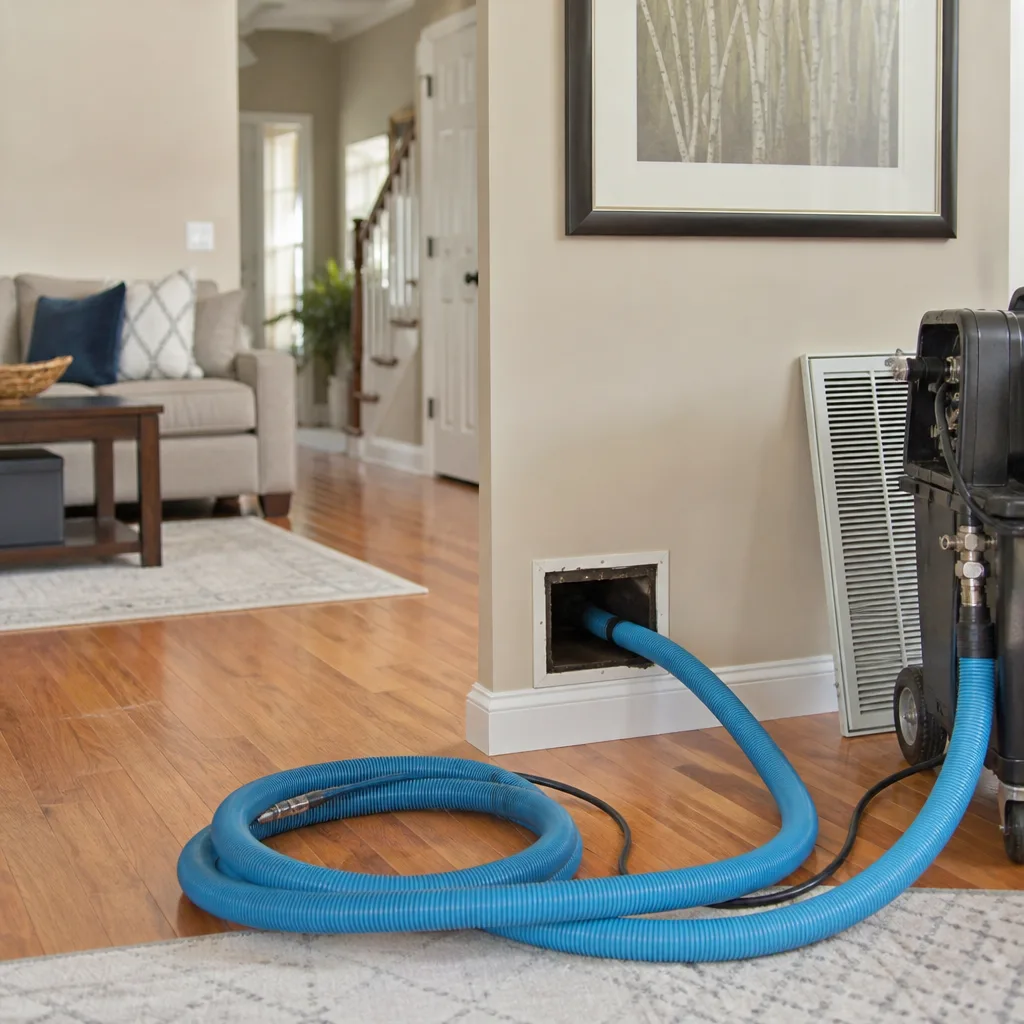 Whole-home duct cleaning
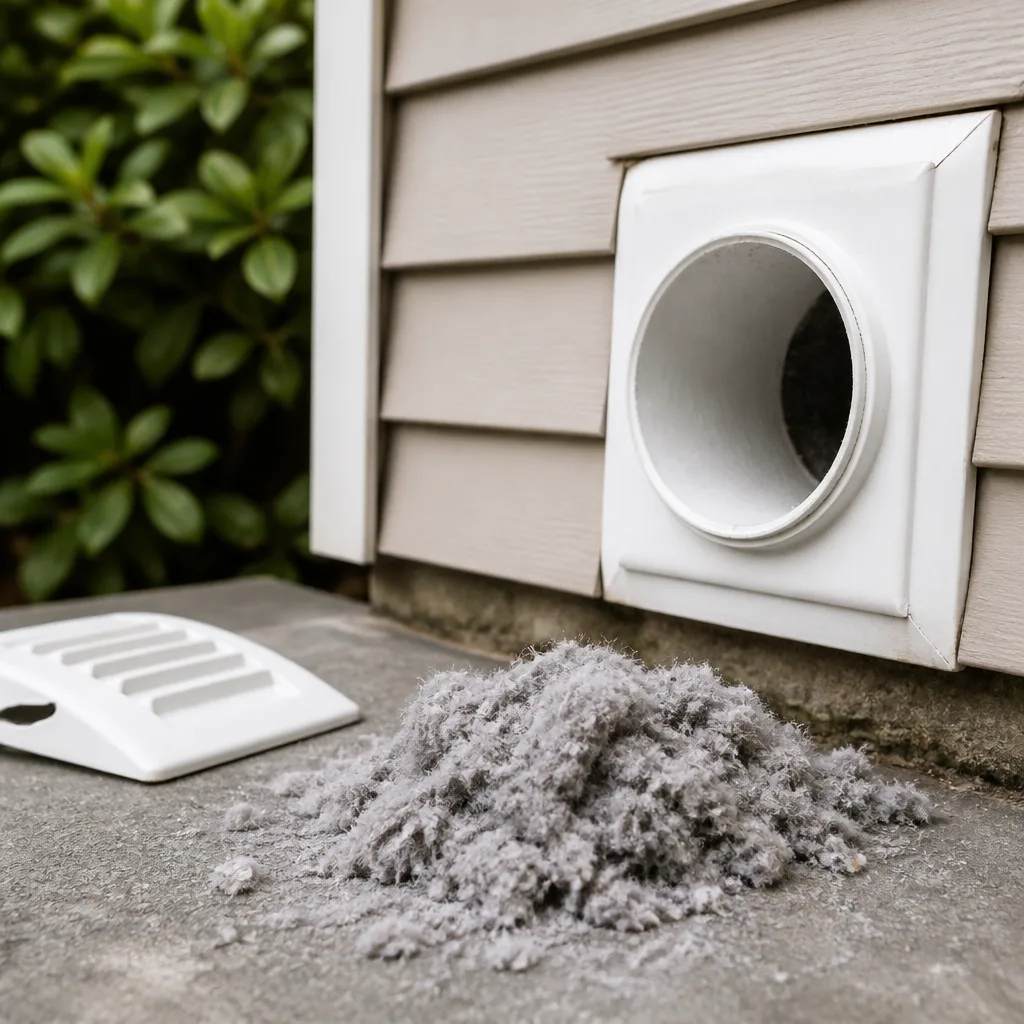 Dryer vent cleaning
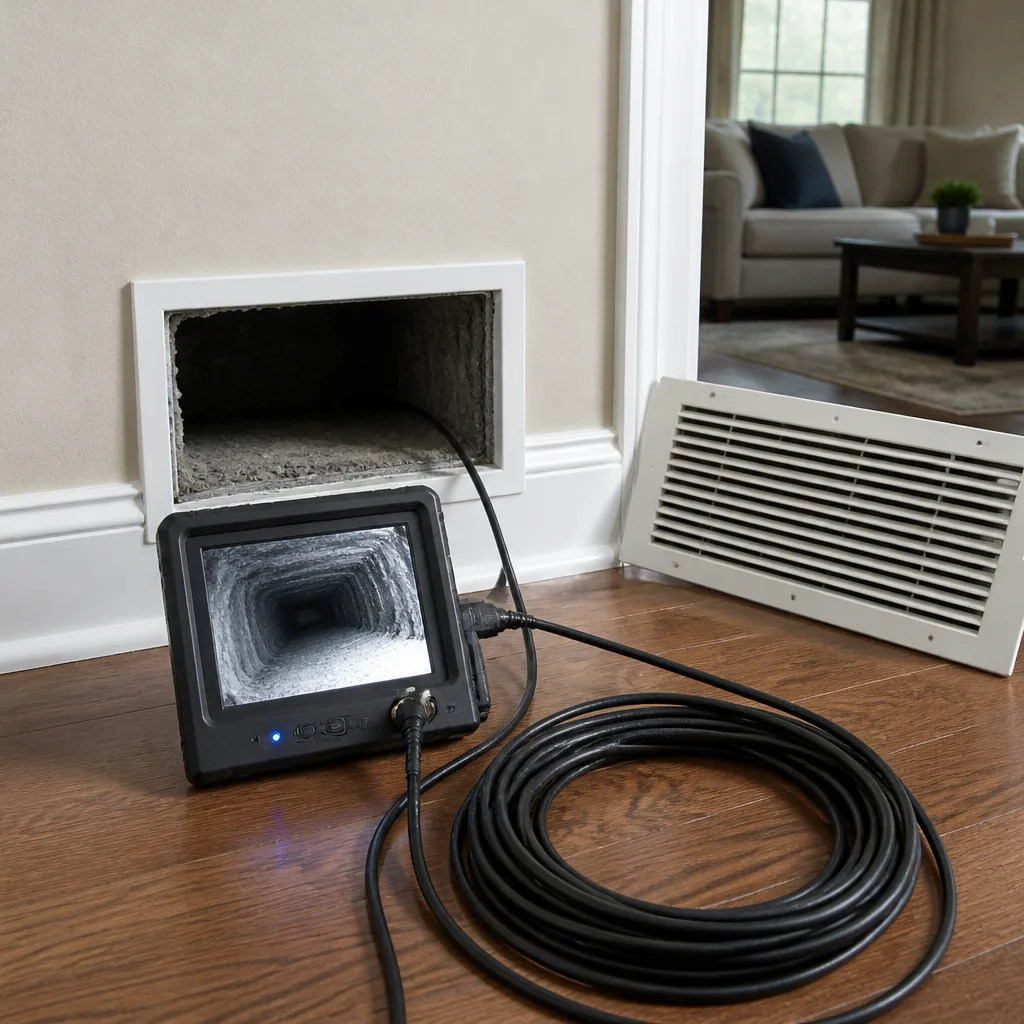 Camera inspection
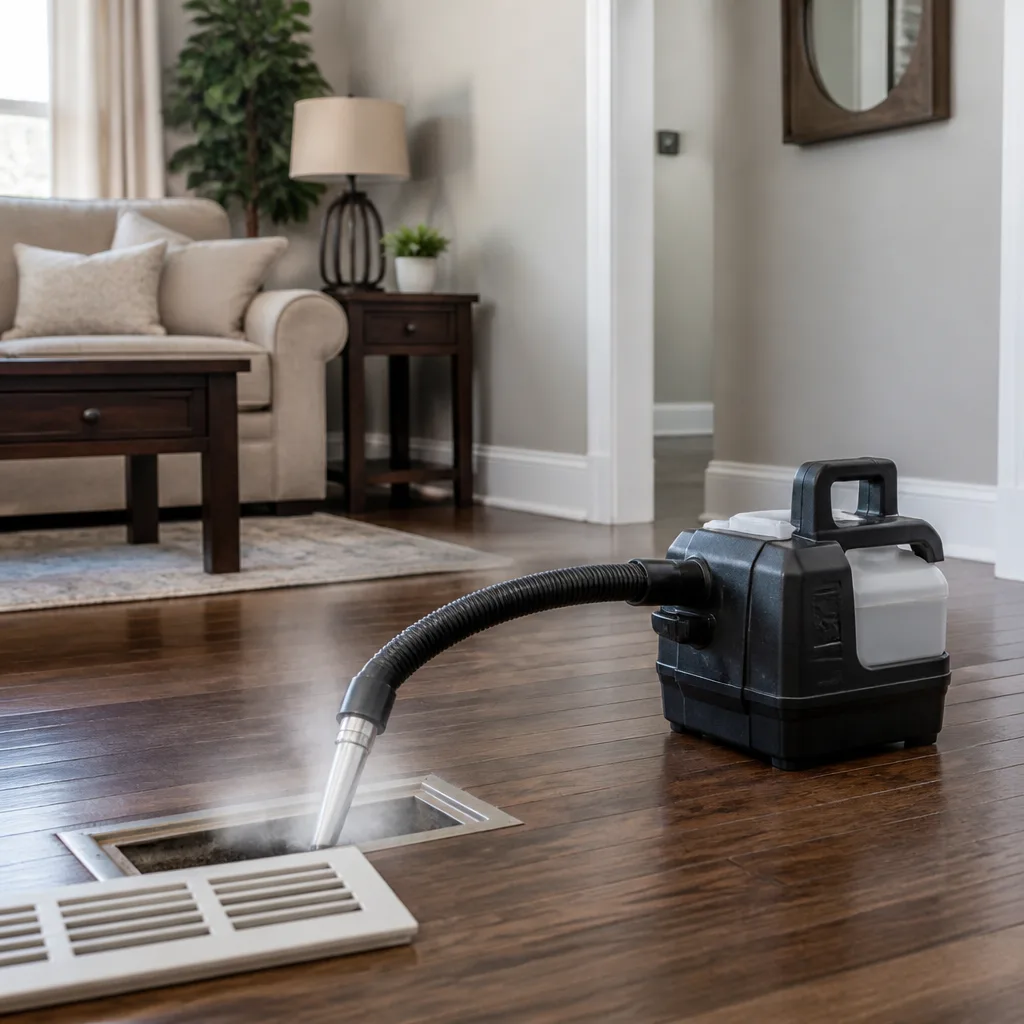 Sanitizing & deodorizing
Whole-system duct and dryer vent check with before-and-after photos - you see exactly what came out of your vents
That "$99 whole-house special" is a bait ad - the real number appears once they are in your hallway, or the "clean" is a shop-vac at the register. We photograph the inside of your ducts before and after instead.
Air Duct Cleaning Maintenance Schedule: What to Do and When
Two homes sit a few streets apart in Porter Ranch. One has a pair of shedding dogs, a builder-grade MERV-8 filter, and attic ducts that pulled outside air through the 2018 Woolsey Fire smoke. The other has no pets, runs a MERV-13, and has sealed metal trunk lines. Most of the internet hands both the same advice: clean every 3 to 5 years. That single rule ignores every variable that actually drives how fast a duct system loads up with debris. A useful maintenance schedule isn’t a calendar default. It’s built around your home’s real usage profile, and this guide shows you how to build one.
Quick Answer
There’s no fixed interval for air duct cleaning. A low-accumulation home with no pets, a high-MERV filter, and sealed ducts can often stretch to 5 to 7 years between professional cleanings, while a high-accumulation home with multiple pets, recent renovation dust, or repeated wildfire-smoke exposure may need one every 2 to 3 years. In Porter Ranch, plan around smoke events and filter grade as much as around the calendar. The right schedule is the one that matches what your system is actually collecting.
Styles & brands we work with
- Whole-home duct cleaning
- Dryer vent cleaning
- Camera inspection
- Sanitizing & deodorizing
Table of Contents
- Build a Risk Tier for Your Home
- Wildfire Smoke as a Schedule Accelerant
- What to Do Between Professional Cleanings
- Maintenance Clean vs. Remediation Clean
- Using Your Annual HVAC Tune-Up as a Trigger
- Filter Change Cadence by Home Profile
- How to Inspect Without Guessing
- Where DIY Stops and Pros Start
Build a Risk Tier for Your Home
Before you pick an interval, sort your household into an accumulation tier. This is the single most useful thing you can do, and it’s the piece almost every generic “how often” article skips. Three inputs do most of the work: how much particulate your home generates, how well your filter catches it before it reaches the ducts, and how airtight the duct runs are. Pets, occupant count, and renovation history set the first input. Filter MERV rating sets the second. Duct sealing sets the third.
Here’s how the tiers shake out in practice:
- Low accumulation: No pets, one to two occupants, a well-sealed duct system, and a filter kept at MERV-11 to MERV-13 and changed on schedule. Typical professional cleaning interval: every 5 to 7 years, or prompted by a specific event.
- Medium accumulation: One pet or a couple of occupants with allergy sensitivity, an adequately sealed system, and a MERV-8 to MERV-11 filter. Typical interval: every 3 to 4 years.
- High accumulation: Two or more pets, a large household, frequent door and window use, a low-MERV filter, leaky duct joints in the attic, or recent renovation. Typical interval: every 2 to 3 years, plus an inspection after any major smoke or dust event.
Porter Ranch homes built on graded hillside lots often have long attic duct runs, and long runs give debris more places to settle. That alone can nudge a household up a tier. If you’re unsure where you land, the honest move is a professional inspection rather than a guess. Our team can check the interior condition of your ductwork and tell you which tier fits your home, which is also a natural first step in any air duct cleaning plan.
Wildfire Smoke as a Schedule Accelerant
Wildfire smoke is the variable most Porter Ranch homeowners underestimate. When a major fire burns for weeks, fine ash and combustion particulate can infiltrate attics and ductwork even with the house closed up, because no home is airtight and the HVAC system continuously draws air through the return side. The Woolsey Fire in 2018 is the reference point most local residents remember, but any extended smoke event with sustained poor air quality adds load to your ducts. That load doesn’t wash itself out.
This is where an event log earns its keep. Keep a simple running note of any period when the regional air quality index stayed unhealthy for more than a few days. Each of those windows is a reason to run an inspection, and if you’re already near a tier boundary, it’s a reason to schedule a cleaning. Treat smoke exposure like the trigger it is rather than waiting for the calendar to roll around. Fine ash settles in the same low spots that hold ordinary dust, and once it’s in the runs, the blower redistributes a little of it every time the system cycles.
The practical rule: if a serious smoke event ran while your system was operating, book an inspection within a few months of the air clearing. We use Abatement Technologies air-filtration equipment for exactly this kind of work, because post-event environments call for containment-level filtration, not a lightweight shop vac. If smoke events have stacked up over several years in your Porter Ranch home, a professional assessment is the only way to know whether a routine clean still covers it or whether you’ve moved into remediation territory.
What to Do Between Professional Cleanings
The work you do between scheduled cleanings decides how long you can go between them. It comes down to three habits: filter discipline, register upkeep, and knowing when sanitizing matters. None of them is complicated, but each one measurably changes how fast your ducts load up.
- Change the filter on a real schedule. A MERV-8 in a pet household with heavy use may need changing every 60 days. A MERV-13 in a childless, low-pet home can run 90 days or longer. Write the change date on the filter edge so you’re not guessing.
- Vacuum the return registers, not just the floor. Use a brush attachment on the return grilles every few weeks. Dust that sits on a return grille gets pulled straight into the duct the moment the blower runs.
- Keep return paths clear. Furniture, rugs, or boxes blocking a return force the system to pull air from leaks and gaps instead, which drags attic or crawlspace particulates into the airstream.
- Consider UV germicidal maintenance when moisture or odor is present. UV is not a substitute for cleaning. It’s a maintenance layer for homes dealing with persistent musty smells or high indoor humidity, and it works best on a system that’s already clean.
The filter cadence is the one lever most homeowners control directly, and it’s also the cheapest. If you want one product that lasts, a quality HVAC cleaning visit pairs well with upgrading to an Aprilaire or Honeywell filtration setup, because better filtration upstream means slower buildup downstream.
Maintenance Clean vs. Remediation Clean
These are two different jobs, and mixing them up is why people either overpay for routine work or under-prepare for a real problem. A maintenance clean is scheduled, preventive, and driven by normal accumulation. A remediation clean responds to contamination: mold growth inside the ductwork, post-fire or post-water-event residue, renovation dust from a major remodel, or rodent activity. The distinction matters for how you calendar them and how the work gets done.
Maintenance cleans can sit on a predictable timeline. You know roughly when the next one is due based on your tier and your event log. Remediation cleans are trigger-driven and can’t be scheduled years ahead, because you can’t predict a water leak or a fire. When one happens, you schedule it as a project, not as routine maintenance.
- Maintenance clean: preventive, routine, tier-based interval, standard contact cleaning.
- Remediation clean: triggered by a specific contamination event, often requires containment and higher-grade filtration before cleaning even begins.
This is where the difference between equipment classes shows. A discount operator with a portable vacuum can run a basic maintenance pass. A remediation clean needs negative-pressure containment so dislodged contaminants don’t drift back into living space, which is why we run Rotobrush contact-cleaning systems and Nikro equipment in the same class as restoration contractors. Knowing which type of clean you actually need is the first decision, and cleaning-only shops can’t make it for you because they can’t handle the second type.
Using Your Annual HVAC Tune-Up as a Trigger
You already have a built-in inspection window: your annual HVAC tune-up. When a technician opens the air handler and checks the blower and coil, they can also inspect the return side and clean the accessible duct interiors. That makes the tune-up a low-cost moment to assess duct condition before committing to a full clean. If the blower wheel is coated and the return plenum has visible dust, you know the ducts are loading up.
Here’s how to use the visit as a scheduling trigger:
- Ask the technician to note the visible dust load on the blower wheel and inside the return.
- Ask whether the duct joints and seams look sealed, or whether visible gaps suggest leaks that are drawing in unfiltered air.
- Record the filter grade and how long it had been in service.
- Use those notes plus your tier and event log to decide whether this is the year for a full clean.
One visit, two maintenance tasks. This is why consolidating services pays off: an annual tune-up with a technician trained to read duct condition tells you more about your schedule than any online calculator. We can inspect and clean in the same relationship, so nothing falls between two contractors. If tune-up findings point to leaky or damaged runs, sealing is the next step, and we handle repair and sealing under one roof rather than handing you off to a second company.
Filter Change Cadence by Home Profile
Filter grade is the quiet driver of your whole schedule. A higher-MERV filter catches more before it ever reaches the ducts, which slows buildup, but it also loads faster and can strain a system if the filter is too restrictive. Match the grade to your equipment and change frequency to your household, not to a number printed on a box.
- Pet household, heavy use: MERV-11 to MERV-13, changed every 60 days in shedding season.
- Allergy-sensitive occupants: MERV-13, changed every 60 to 90 days depending on occupancy and window use.
- Low-pet, low-occupancy, sealed ducts: MERV-11 to MERV-13, 90 days or slightly longer.
- After any major smoke or renovation event: change early, even if the interval hasn’t elapsed. Loaded filters stop filtering well.
If your system struggles to move air with a high-MERV filter, the filter isn’t the problem; the duct system is undersized or leaking. That’s a signal to inspect rather than to drop back down to a cheap filter. We stock and install Aprilaire and Honeywell products to bridge cleaning and long-term filtration improvement in one relationship, which is the cleaner path than swapping grades blindly every season.
How to Inspect Without Guessing
You can learn a lot from the accessible parts of your system without opening a duct. The goal is a quick read on whether your current interval is working, not a diagnosis. Here’s what to check and when:
- Pull a return grille. Shine a light into the return box. Visible dust film on the interior panels means accumulation is active.
- Look at the register supply fins. Black streaking on supply registers can indicate moisture; gray dust film usually means dry particulate.
- Check the blower wheel when the air handler is open for a tune-up. A coated wheel means dust is reaching the equipment.
- Sniff for mustiness when the system first starts. A persistent odor that fades is often a sign of moisture or microbial activity inside the ducts.
What you can’t see without equipment is the interior surface of the long attic runs, and that’s where most of the debris hides. Contact cleaning with a Rotobrush system scrubs the duct walls; negative pressure holds the dust while it’s dislodged. That combination is what lets you verify the work rather than take it on faith.
When the attic runs are the question, this is also where our dryer vent cleaning customers often ask us to look at their HVAC ducts at the same time, since both run through the same attic space and both are fire-risk or efficiency concerns. Consolidating the two into one visit is straightforward.
Where DIY Stops and Pros Start
Register vacuuming and filter changes are safe and worth doing yourself. Anything past the register is where DIY becomes risky and ineffective. Consumer vacuums and box-store attachments don’t generate enough airflow to move caked debris from duct walls, and brushing without containment just puts particulate back into the air you’re trying to clean. The tools that do the job are in a different class entirely.
There’s also a safety line. Ductwork runs through attics, and attic work involves height, heat, and sometimes questionable decking. The air handler itself holds high-voltage wiring and, in gas systems, a combustion path. Those are not places to learn by trial. Our technicians have up to 14 years of experience and treat the system as what it is: an electrical and combustion appliance on one end and a sealed air pathway on the other. Professional-grade equipment, not portable consumer vacuums, is the difference between a clean duct and a stirred-up one.
Common Mistakes to Avoid
- Following a fixed 3-to-5-year rule for every home. A pet household and a childless home can be two miles apart and need completely different intervals. Build your schedule around your tier, not a default.
- Ignoring a smoke event because the calendar says you’re not due. Porter Ranch smoke exposure from major fires can accelerate buildup far faster than passive dust. Log the events and inspect after them.
- Buying a per-vent or teaser-price coupon and calling it maintenance. A $49 whole-house offer rarely covers professional contact cleaning of the full system. Ask what equipment and what containment the quote includes.
- Upgrading to MERV-13 without checking the filter cabinet and static pressure. A restrictive filter on a leaky, undersized duct system hurts airflow more than it helps air quality. Inspect first.
- Treating UV sanitizing as a cleaning substitute. UV addresses microbial growth on surfaces it reaches; it doesn’t remove accumulated debris. Clean first, then maintain.
- Missing the repair-and-seal step. Cleaning ducts that have open joints just means they’ll load up again quickly. Sealing is part of the schedule, not an upsell.
- Waiting for a visible problem. Duct debris hides in the attic. A tune-up inspection catches loading before it reaches the living space.
See the difference
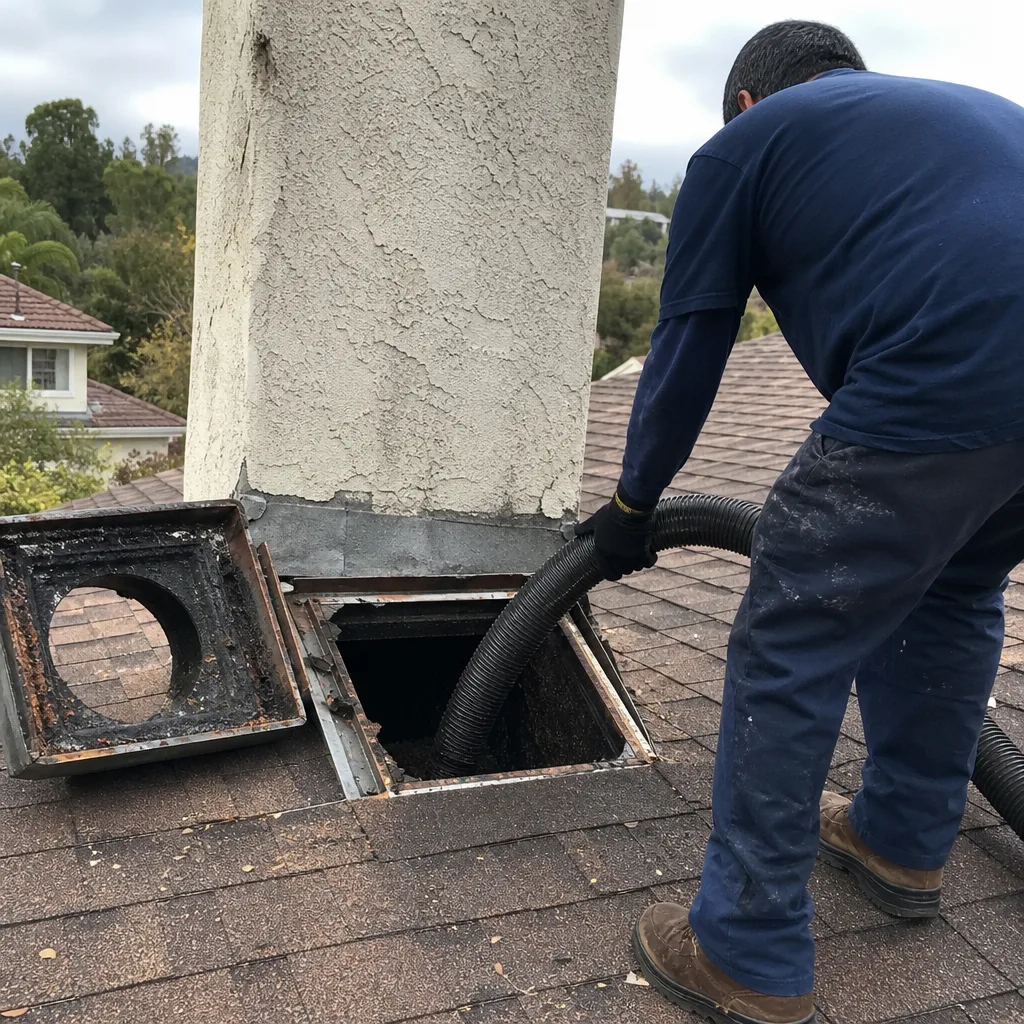 Before
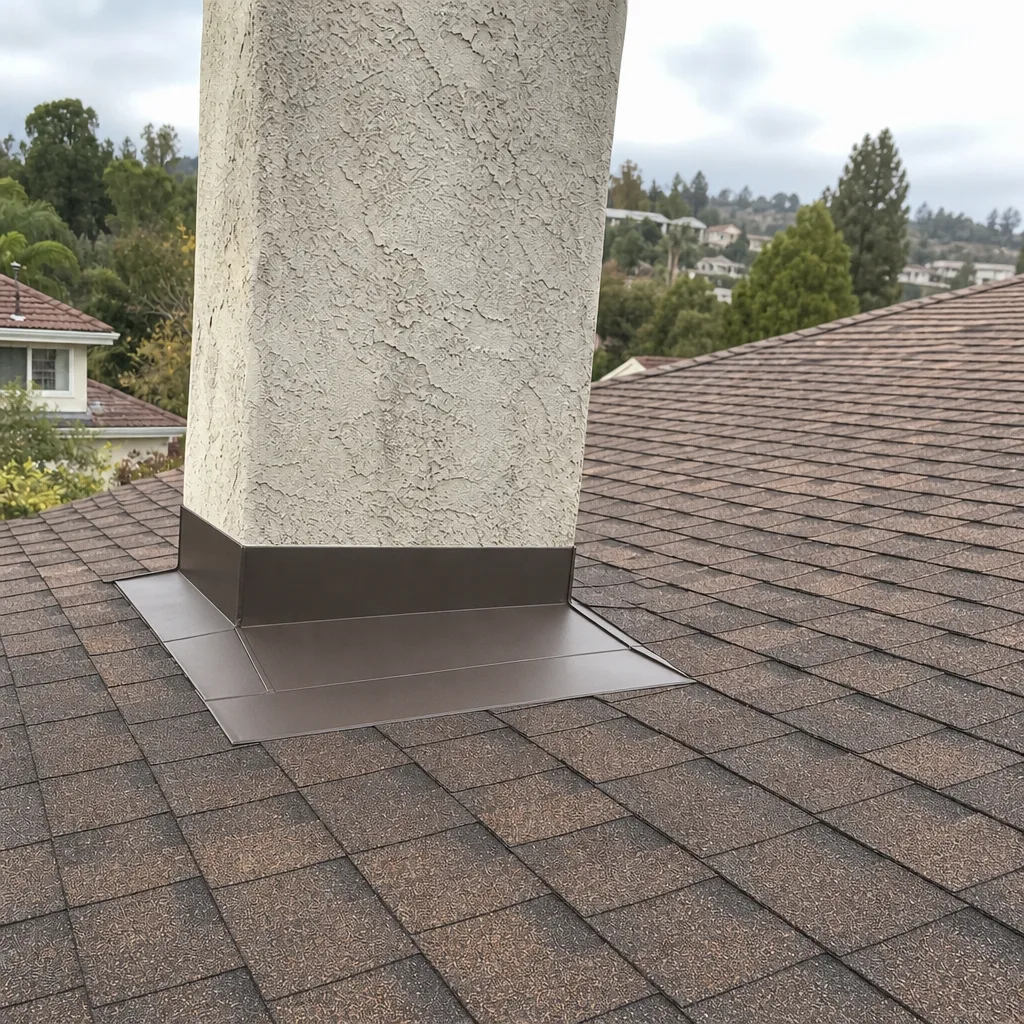 After
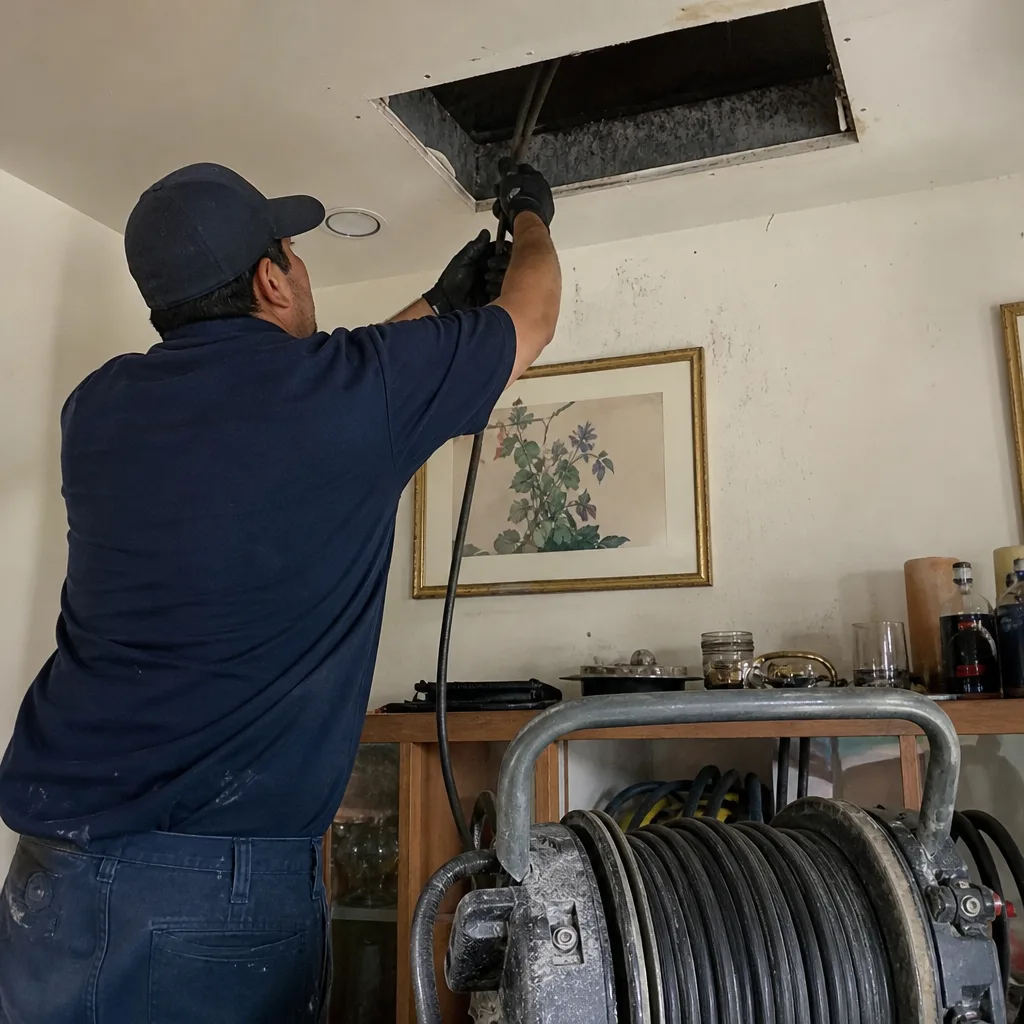 Before
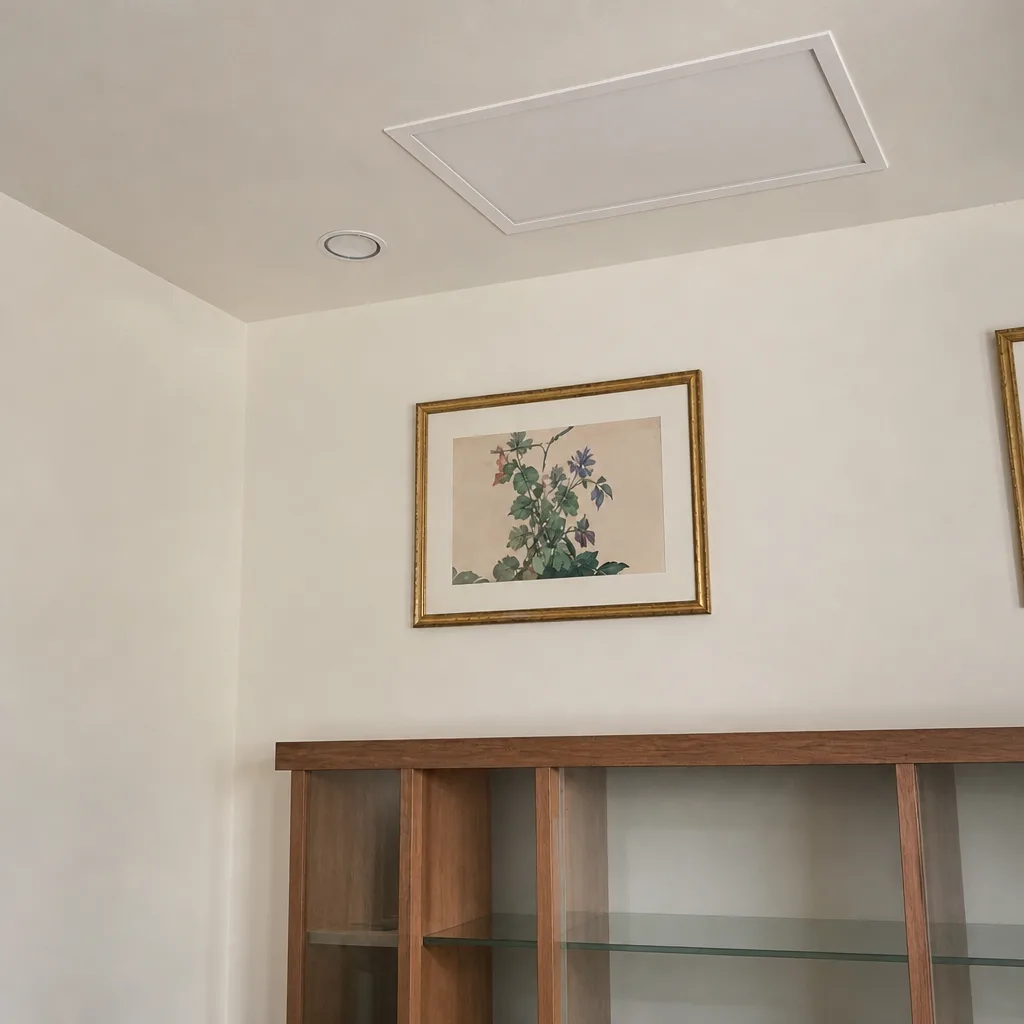 After
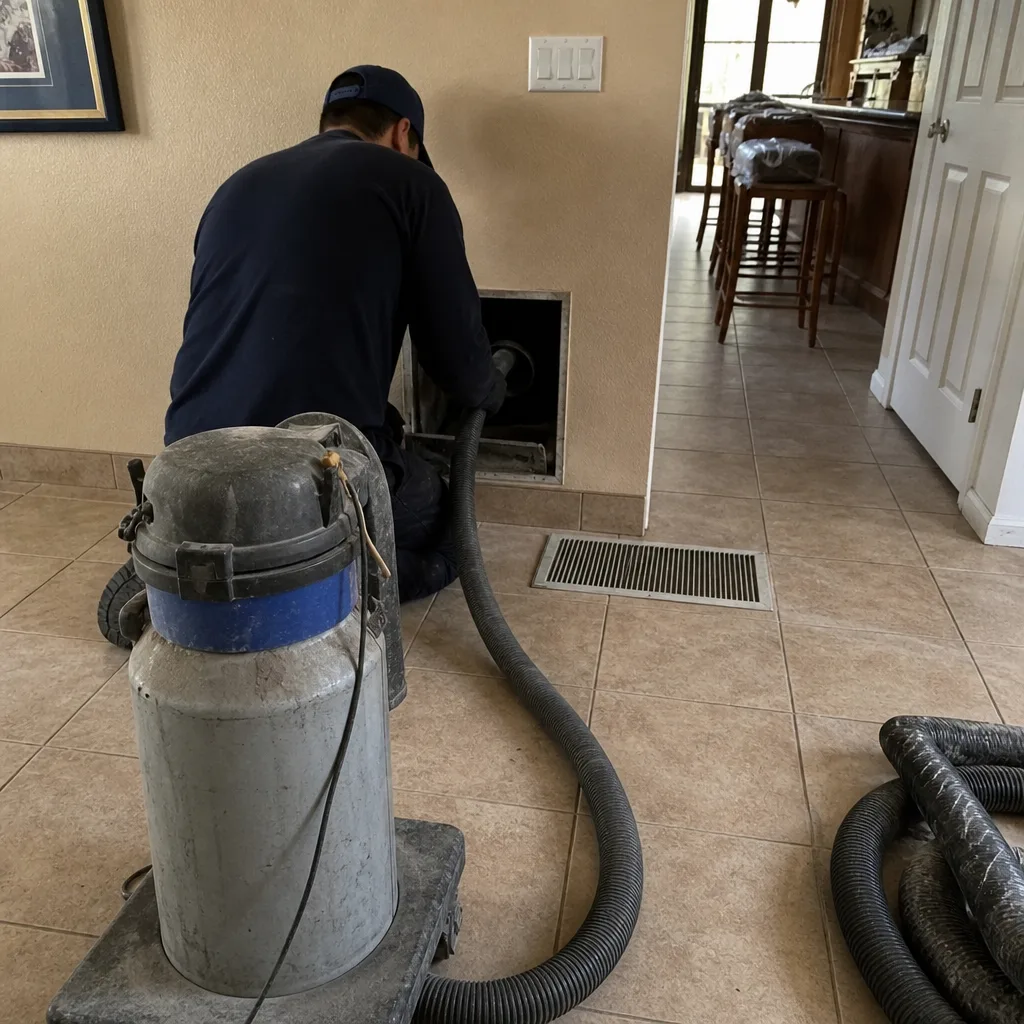 Before
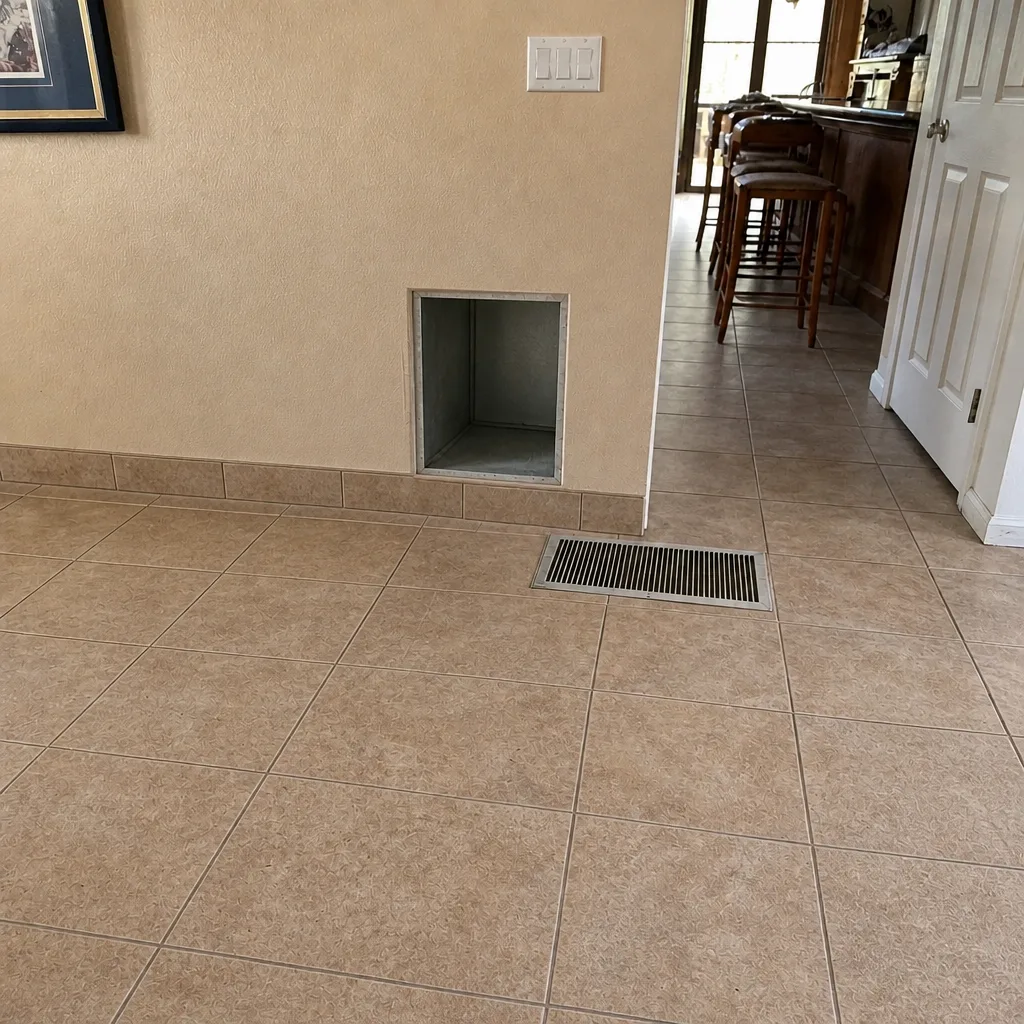 After
When to Call a Professional
Call a professional when you can see or smell a problem, when a major smoke or renovation event has passed, or when your tune-up notes show a coated blower wheel and dusty return. Call sooner if anyone in the house has persistent allergy symptoms that don’t respond to filtration changes, or if you’re buying a home with unknown duct history. A professional inspection also answers the question a calculator can’t: whether you need a maintenance clean or a remediation one. Air Duct Cleaning Porter Ranch offers free estimates in Porter Ranch. Call (833) 570-5137. We answer 24/7. Fast dispatch from 7am to 7pm, Sunday through Friday.
Frequently Asked Questions
Low-accumulation homes can often go 5 to 7 years between cleanings, while pet households, recent renovations, or homes that saw significant wildfire-smoke exposure may need one every 2 to 3 years. The interval depends on your accumulation tier, filter grade, and event history, not a universal number. Call (833) 570-5137 for an inspection-based estimate, and it’s free.
Yes. Extended smoke events load the return side of a duct system with fine ash that doesn’t clear on its own, and Porter Ranch has seen enough of these events that the 2018 Woolsey Fire remains a reference point for many homeowners. Log any period of sustained poor air quality and inspect afterward rather than waiting for the calendar. Call (833) 570-5137 to have the interior checked.
A maintenance clean is preventive and scheduled around normal accumulation; a remediation clean responds to contamination from mold, fire, water damage, or major renovation dust and requires containment and higher-grade filtration. Getting the distinction right determines how the work is planned. Call (833) 570-5137 and we’ll help you identify which one you need.
To a degree, yes, because a higher-MERV filter catches more particulate before it reaches the ducts. But a filter that’s too restrictive for an undersized or leaky duct system can hurt airflow, so the filter has to match the equipment. We install Aprilaire and Honeywell filtration products to get the match right. Call (833) 570-5137 for a free estimate.
No. Dryer vents run lint at a different rate than HVAC ducts and depend on laundry volume and vent length, so they follow their own interval. Because both often run through the same attic space in Porter Ranch, consolidating the two into one visit is practical. Call (833) 570-5137 to schedule both together.
Ask for before-and-after photos of your own ducts, and ask what containment captured the dislodged debris during cleaning. The equipment matters: negative-pressure setups hold dust while it’s dislodged. We use Rotobrush contact cleaning and Nikro equipment with containment-grade Abatement Technologies filtration, and we can walk you through the process. Call (833) 570-5137 for a free estimate.
The Bottom Line
The 3-to-5-year rule is a starting point, not a schedule. Build your own by putting your home in an accumulation tier based on pets, occupants, filter grade, and duct sealing, then accelerate it for wildfire-smoke events and renovation dust. Use your annual tune-up as the inspection trigger, keep your filter cadence matched to your profile, and treat repair and sealing as part of the plan rather than an afterthought. Done right, your Porter Ranch home gets a maintenance schedule that fits it, and if you’d like us to help build it, call (833) 570-5137 for a free estimate.
Written by the team at Air Duct Cleaning Porter Ranch.