
Last updated November 22, 2026
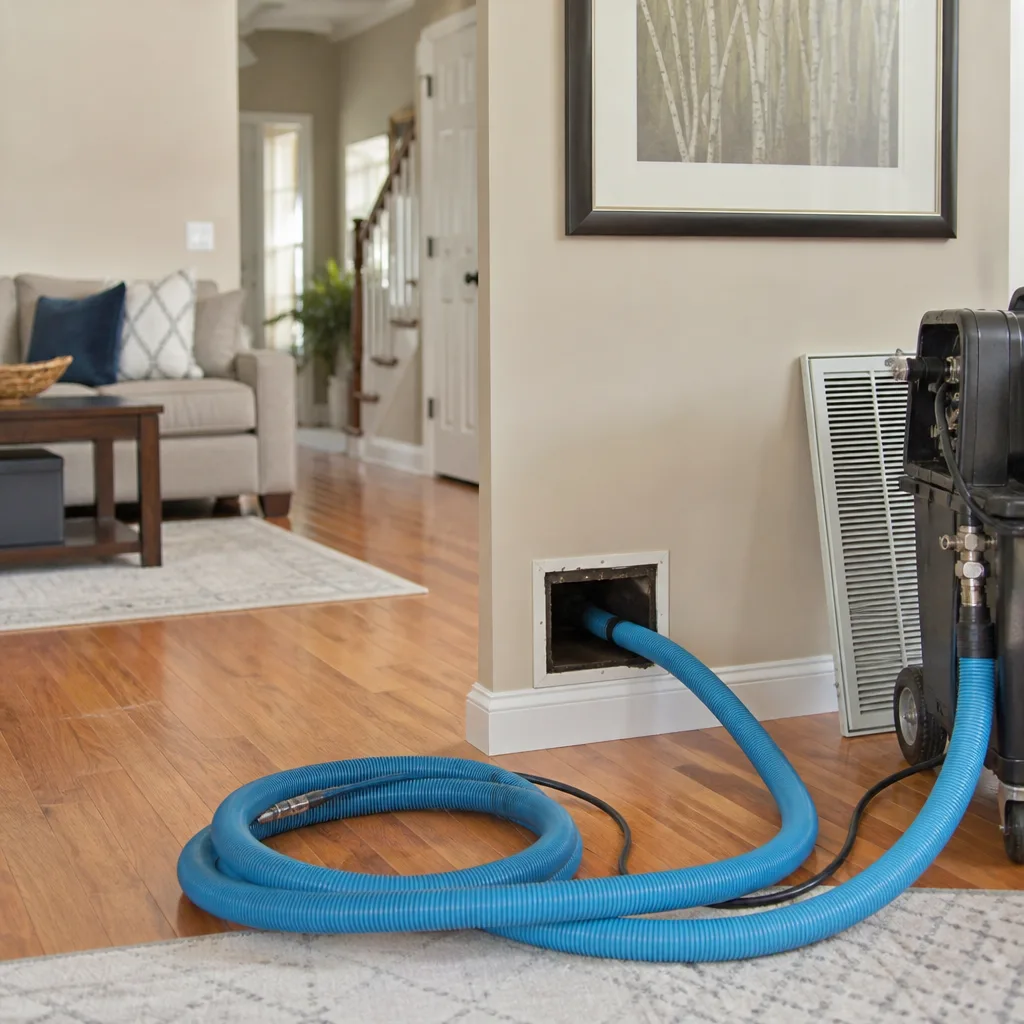 Whole-home duct cleaning
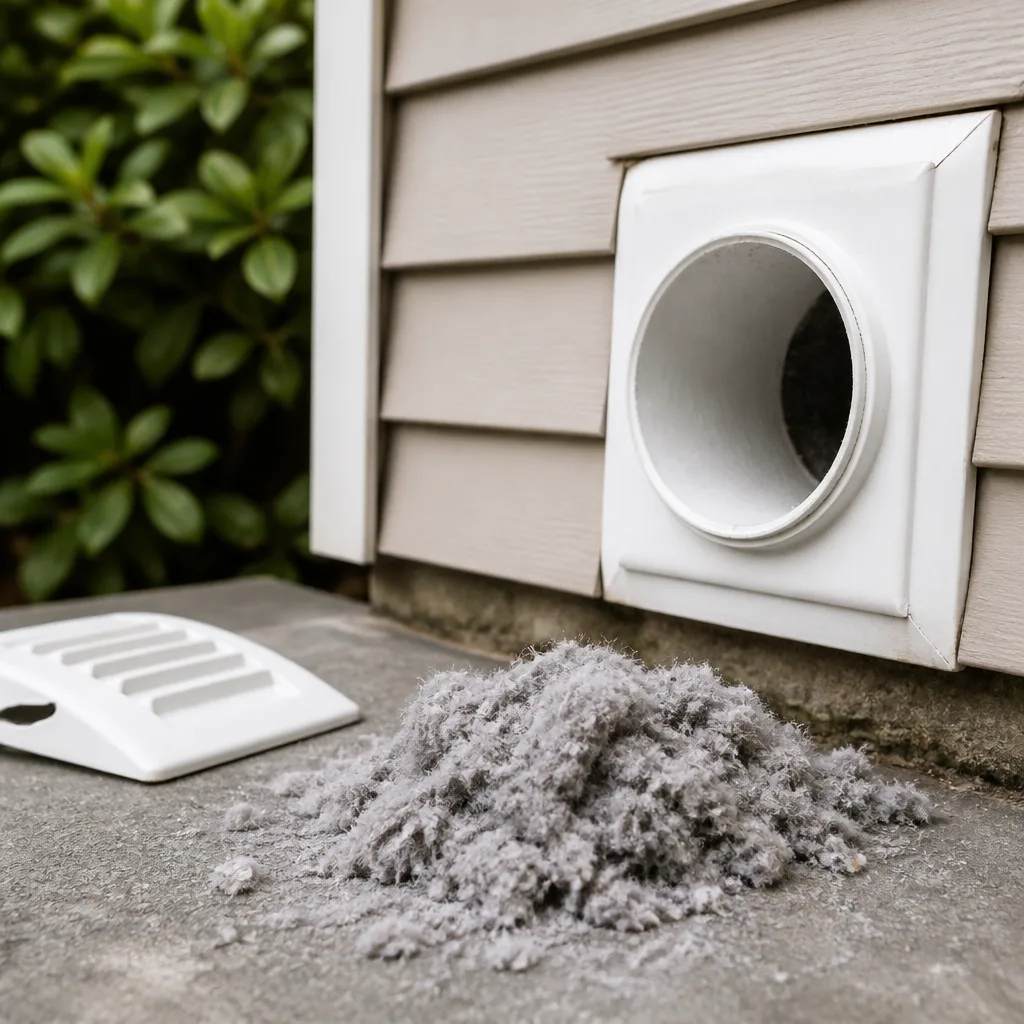 Dryer vent cleaning
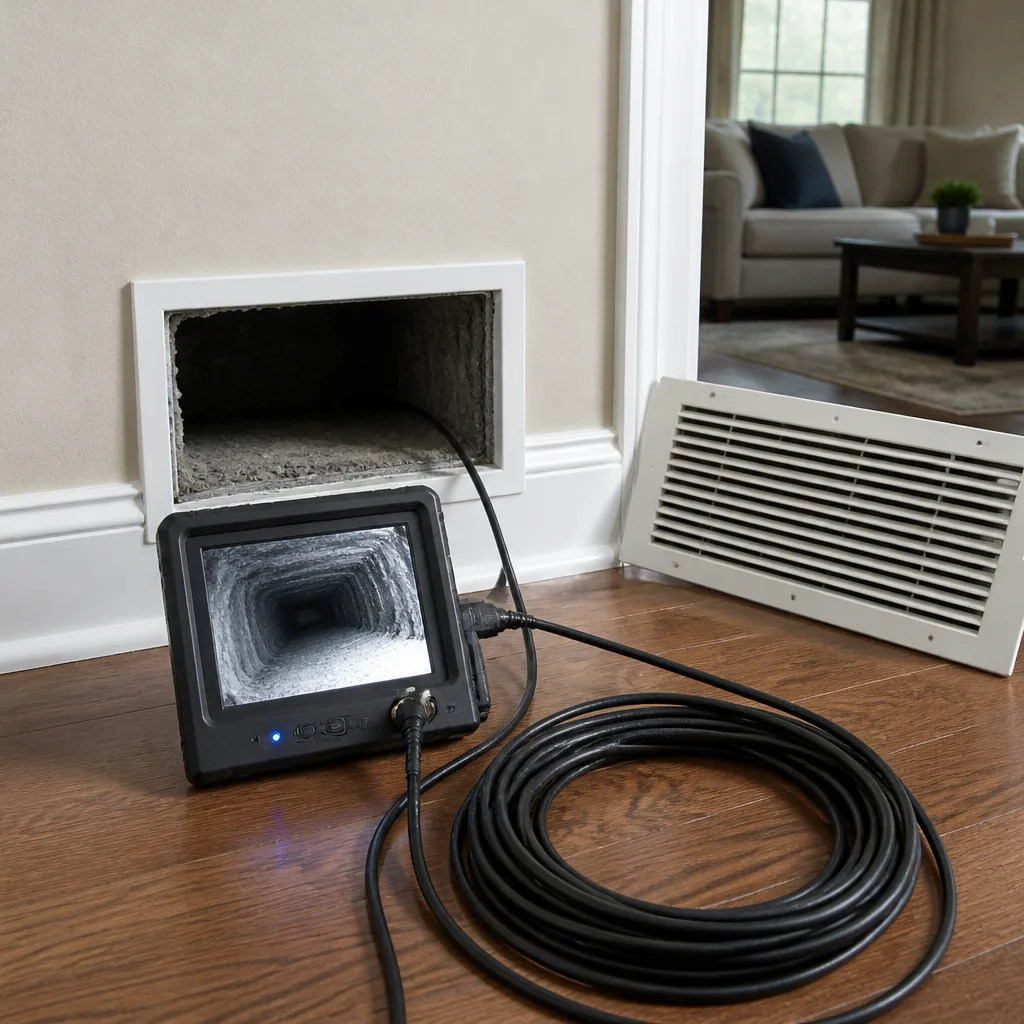 Camera inspection
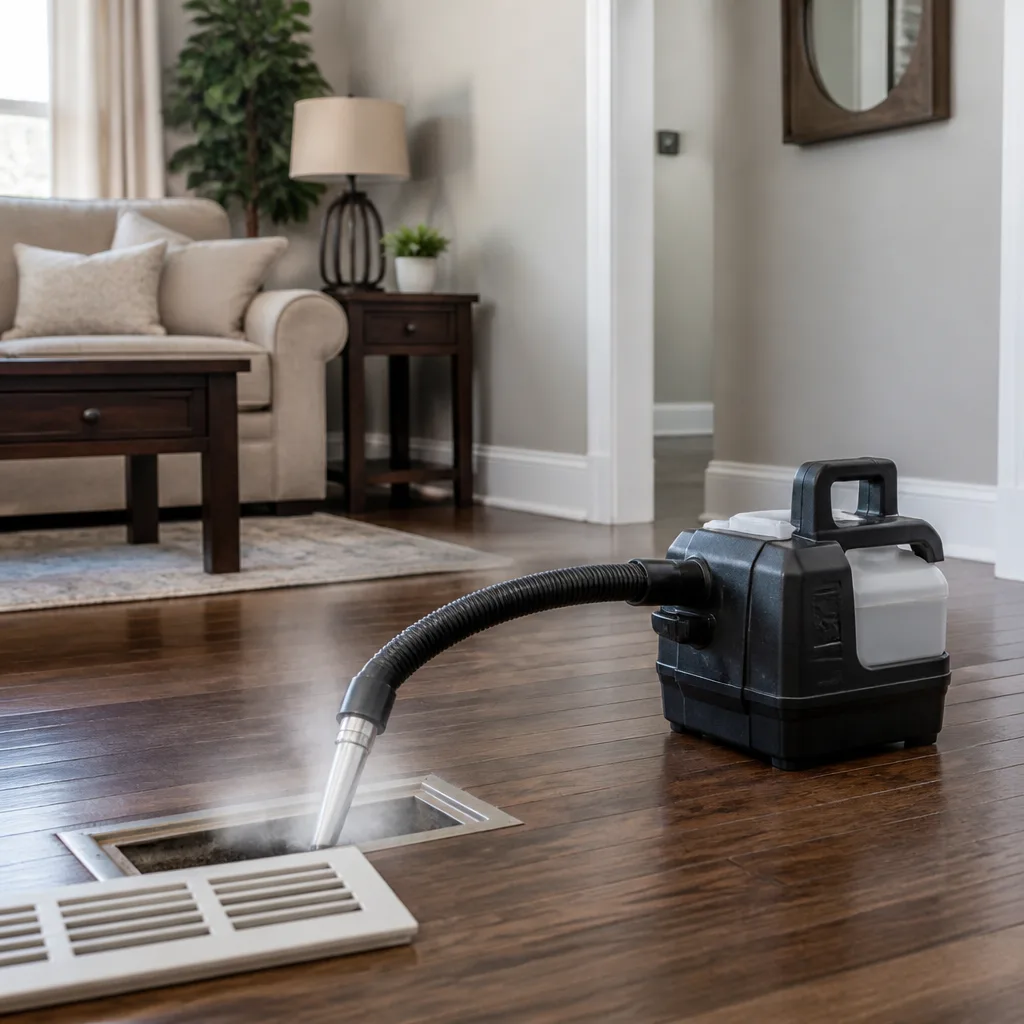 Sanitizing & deodorizing
Whole-system duct and dryer vent check with before-and-after photos - you see exactly what came out of your vents
That "$99 whole-house special" is a bait ad - the real number appears once they are in your hallway, or the "clean" is a shop-vac at the register. We photograph the inside of your ducts before and after instead.
Air Duct Cleaning Troubleshooting in Porter Ranch: Common Problems and How to Fix Them
If a room in your Porter Ranch home runs about 8°F warmer than the thermostat setting, the furnace is almost never the culprit. That room’s duct run is. Homeowners spend heavily on equipment service calls for problems that live entirely inside the ductwork: a crushed flex run, a trunk line that separated at a joint, a plenum that’s still holding fine ash kicked loose by wind. The symptom shows up at the vent, but the cause sits upstream. This guide maps complaints to duct-side causes, explains how to tell a cleaning problem from a sealing problem, and shows you what the evidence should look like after a real cleaning. Read it before you call anyone.
Quick Answer
Most duct problems in Porter Ranch trace to one of three things: a loose, disconnected, or crushed duct run, a leaking trunk line or plenum, or contamination that a routine surface cleaning didn’t reach. Weak airflow and uneven temperatures generally point to sealing and repair, not cleaning. Odors and visible dust after a cleaning usually point to an incomplete job. A camera inspection tells you which category you’re in before anyone quotes work.
Styles & brands we work with
- Whole-home duct cleaning
- Dryer vent cleaning
- Camera inspection
- Sanitizing & deodorizing
Table of Contents
- Symptom-to-Cause: Reading Your Duct Problems Correctly
- Cleaning Problem or Sealing Problem? How to Tell the Difference
- Porter Ranch Triggers: What Local Conditions Do to Ductwork
- What a Post-Cleaning Camera Report Should Show
- When You Need Negative-Pressure Equipment and When a Scope Is Enough
- The Dryer Vent Belongs in the Same Conversation
- After the Fix: Filtration and Air Quality Upgrades
- Common Mistakes to Avoid
Symptom-to-Cause: Reading Your Duct Problems Correctly
The fastest way to have an informed conversation with a technician is to describe the symptom precisely and know the likely cause behind it. Duct problems in Porter Ranch follow predictable patterns. Below is the map we use when a homeowner describes a complaint over the phone.
- One room cold in winter, warm in summer, while the rest of the house is comfortable. Almost always the duct run feeding that room: undersized, crushed behind drywall, or disconnected at a joint in the attic. This is a repair-and-seal issue, not a cleaning issue.
- Dust settling on registers days after a cleaning. Either the cleaning was superficial (surfaces wiped, the plenum and trunk line never touched) or the system is pulling dust in through a leak downstream of the filter.
- Musty smell only in the first few minutes of running the system. Usually condensation or biological growth at the evaporator coil or in the plenum where cool air meets warm attic air. Cleaning the ducts without addressing the coil won’t fix it.
- Smell of dust burning or a smoky odor at startup. Often debris sitting on the heat exchanger or residual ash in the plenum that gets lifted the moment the blower starts.
- Weak airflow at every register. This is a system-level issue: a filter clogged past the point of bypass, a blower problem, or a trunk line with a major leak or obstruction. Not a dirty-branch-duct problem.
- Whistling or rattling at a single vent. A damper that’s partly shut, a loose boot, or a supply register that isn’t seated. Often the least expensive fix on this list.
The pattern to internalize: airflow and temperature complaints generally belong to the sealing and repair category. Contamination and odor complaints generally belong to the cleaning and sanitizing category. Many homes have both at once, and the order matters. There’s no point sealing a duct that’s still full of debris, and there’s no point cleaning a duct that leaks air into the attic every time the blower runs. A technician who starts with a camera inspection will see which category you’re in before recommending either.
Cleaning Problem or Sealing Problem? How to Tell the Difference
This distinction is where most homeowners waste money. Re-cleaning a leaking trunk line does nothing, because the dust comes back the same week. Re-sealing a contaminated system traps the contamination inside. You need to know which problem you have.
Signs it’s a cleaning problem:
- Visible dust or debris on the inside walls of the duct when a technician scopes it, but no visible separation at joints.
- Debris collects in the same room season after season, regardless of filter changes.
- Recently completed renovation, or a known dust event, with no follow-up cleaning since.
- Odor that persists constantly, not just at startup.
Signs it’s a sealing or repair problem:
- Air movement felt at a duct joint in the attic or crawlspace when the blower is running.
- A flex duct that’s crushed, kinked, or resting directly on ceiling joists instead of supported.
- Persistent temperature imbalance that follows a specific room, not the whole house.
- Dust settling on top of the air handler or plenum from inside the system, not from the room.
If most of the checked boxes are in the second group, a duct repair and sealing visit is the right first call. Our air duct cleaning Porter Ranch service starts with a scope of the full system specifically so this distinction gets made before anyone quotes work. If the ducting is sound and the problem is contamination, the cleaning comes first. If a leak is feeding the contamination, the leak gets sealed first. Ask any contractor which order they recommend and why.
Porter Ranch Triggers: What Local Conditions Do to Ductwork
Porter Ranch sits in the northern San Fernando Valley, in hillside and canyon-edge neighborhoods where the soil and structures have a specific set of stresses on them. Three of those stresses show up in ductwork regularly.
- Earthquake micro-shifts at flex duct connections. The ground movement from smaller quakes and aftershocks doesn’t usually crack drywall visibly, but it does work loose the taped and clamped connections at flex duct collars. Homes on sloped lots and canyon-rim properties see this more often because the structure flexes slightly differently at each end of a duct run. The result is a duct that’s still attached enough to move air but leaks a meaningful percentage of it into the attic before it reaches the room. Homeowners notice a room that used to be comfortable is now a few degrees off, with no other change to the system.
- Woolsey Fire ash infiltration. Ash from the Woolsey Fire moved through this part of the Valley in a way that reached attics and open plenums. Fine ash is mobile. Every time the system pressurizes, it can lift a fraction of that material into the return air and recirculate it. Homes that never had a duct cleaning after the fire can still show ash residue in the attic plenum and the return trunk today. A camera scope reveals it quickly; a register wipe does not.
- Hillside dust and pollen loads. The open space and canyon edges hold more airborne dust than a flat, fully paved neighborhood, and it enters through every gap the return side of the system has. A gasketed filter frame and a properly sized filter do more for long-term duct cleanliness than a second cleaning later.
The right response to these is a camera inspection that specifically checks flex duct collars and the plenum. If the collar connections are loose, the fix is a reseal, not another cleaning. If the plenum holds ash or dust from an old event, the fix is cleaning with proper containment so the material leaves the system rather than moving into the living space.
What a Post-Cleaning Camera Report Should Show
The most reliable way to know a cleaning was done rather than claimed is the camera. A technician scopes the system before work and after, and shares photos with the homeowner. Below is what a real report looks like and what signals a superficial job.
What a real report includes:
- Photos of the trunk line interior before and after, not just the register faces.
- Photos of the plenum (the box at the air handler), because that’s where most of the settled debris sits.
- Photos of any branch ducts where problems were found, with location described (which room, which side of the house).
- Notes on what was found: debris type, any loose joints, any crushed flex, any moisture or growth.
- Before-and-after photos of the ducting as observed by the equipment’s own camera, delivered to the homeowner.
Signs the cleaning was superficial:
- Only register faces are shown, or no photos at all.
- The technician cleans the branch ducts but never opens or inspects the plenum or trunk.
- Work is done with a portable shop vacuum rather than a contact-cleaning system and a negative-pressure setup.
- The report is verbal only, with no record of what was found in which section.
- Dust reappears on registers within a week, which means the plenum and trunk weren’t touched.
The contact-cleaning approach we use runs an air-driven whip or brush through each branch duct to agitate debris off the walls, while a negative-pressure setup pulls the loosened material out of the system into a HEPA-filtered collection unit. That combination is what separates a real cleaning from a wipe of the register faces. The same platforms are standard in professional restoration and remediation work, which is the standard the equipment was designed to meet.
When You Need Negative-Pressure Equipment and When a Scope Is Enough
Not every troubleshooting visit needs a full cleaning rig on site. Some need a camera and a plan. Matching the visit type to the problem saves the homeowner time and saves the technician from doing unnecessary work.
A scope-and-assess appointment is the right first step when:
- The complaint is a single room’s temperature or airflow – you’re diagnosing a duct run, not the whole system.
- You don’t yet know whether the problem is cleaning or sealing.
- The system was cleaned recently and a problem persists, so you need evidence before more work.
- There’s a musty or smoky smell at startup that could be the coil or plenum, not the ducts.
Negative-pressure equipment is the right call when:
- The system is confirmed to have significant accumulation of debris in the plenum or trunk line.
- There’s biological growth, renovation dust, or ash from a past event that needs to leave the system entirely rather than be redistributed.
- A full air duct cleaning is being performed across multiple branches, where containment keeps the home’s air clean during the job.
- The system is being cleaned before a duct repair and seal, so the sealed system starts from a clean baseline.
Negative pressure, HEPA filtration during collection, and proper containment are the reasons restoration and remediation contractors use this class of equipment. Homeowners get the benefit of the same standard of care on a residential job. If a contractor shows up with a portable vacuum and no containment plan, the visit is a surface clean, whatever the invoice says.
The Dryer Vent Belongs in the Same Conversation
If you’re already having the system looked at, it makes sense to check the dryer vent in the same visit. Dryer vents clog with lint the same way ducts collect dust, and a clogged vent is a fire risk that no cleaning of the HVAC side will address. In our experience, homeowners who book both at once avoid a second appointment later, and the vent gets checked before it becomes a problem.
Signs a dryer vent needs attention:
- Clothes take noticeably longer to dry than they used to, without a change in the dryer itself.
- The dryer or laundry area feels unusually warm or humid when running.
- Lint is visible outside the vent hood on the exterior wall.
- The exterior flap doesn’t open freely when the dryer runs.
We handle dryer vent cleaning alongside HVAC work because the two share the same failure pattern: gradual accumulation, no obvious warning, and a strong reason to fix it before the risk materializes. If you’re having the main system checked, ask for the vent at the same visit.
After the Fix: Filtration and Air Quality Upgrades
Got the leak sealed and the system cleaned. The next question is how to keep it that way. The answer is usually a filter setup that fits the return-side opening correctly and the right filter for what the household actually needs. A filter that’s undersized for its frame bypasses unfiltered air around the edges, which is the same as no filter for the dust that matters.
We stock and install Aprilaire and Honeywell filtration products, so a homeowner can move from “cleaned and sealed” to “protected” in the same relationship instead of calling a separate contractor. For homes with allergies, young children, or older adults, a media cabinet sized to the system does more for indoor air than a stack of the cheapest high-MERV filters, which can strangle airflow if the blower wasn’t designed for them. If the home has growth or contamination issues that cleaning alone doesn’t resolve, sanitizing the system after cleaning is the next step.
For HVAC-side cleaning (the coil and air handler itself, not just the ducts), we handle that too, and it belongs in the same visit when the two problems overlap. See HVAC cleaning for what that visit involves. Cleaning, repair, sealing, sanitizing, and filtration under one contractor means no loose ends and no second crew needed for a fix discovered along the way.
Common Mistakes to Avoid
- Re-cleaning a leaking system. If a trunk line is leaking into the attic, or a flex duct has separated at a collar (which the micro-shifts common in Porter Ranch hillside homes make more likely), cleaning will make no lasting difference. The dust comes back because the system is pulling it in. Fix the leak first, then clean once.
- Judging the cleaning by the register faces. A wiped register looks the same as a cleaned system. Ask to see the interior of the plenum and trunk before work starts, and after it’s done. If the contractor can’t show them, the cleaning is unverifiable.
- Assuming every vent visit needs the full rig. A single-room airflow complaint calls for a scope first. Running a full cleaning before you’ve diagnosed the problem is money spent on the wrong fix.
- Using a filter that’s too restrictive for the blower. In homes with allergies, the temptation is to go to a high-MERV filter everywhere. Some systems can’t handle it, and the motor pays the price. Match the filter to the blower’s design, not to the marketing on the box.
- Forgetting the Woolsey-era residue entirely. Homes in the Porter Ranch area that were affected by the fire and never had the attic plenum scoped can still be recirculating ash today. If nobody has ever looked, have it checked.
- Treating the dryer vent as a separate job forever. Lint builds up quietly, and the risk it creates doesn’t announce itself. Include it whenever you have the system checked.
- Calling a discount cleaning service and expecting a camera report. The equipment and the process are what you’re paying for. If a quote is much lower than everyone else’s, it’s usually a wiped register and a shop vac, not a cleaning with containment.
See the difference
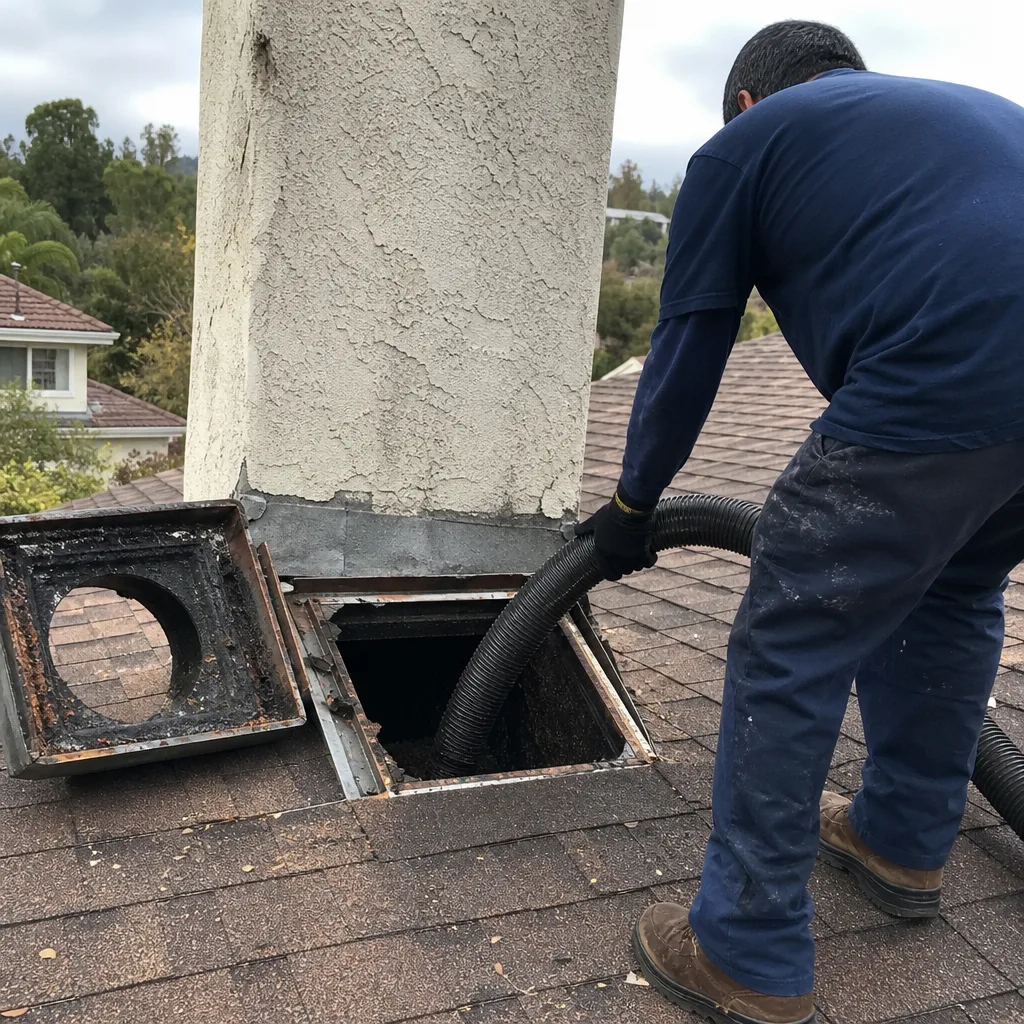 Before
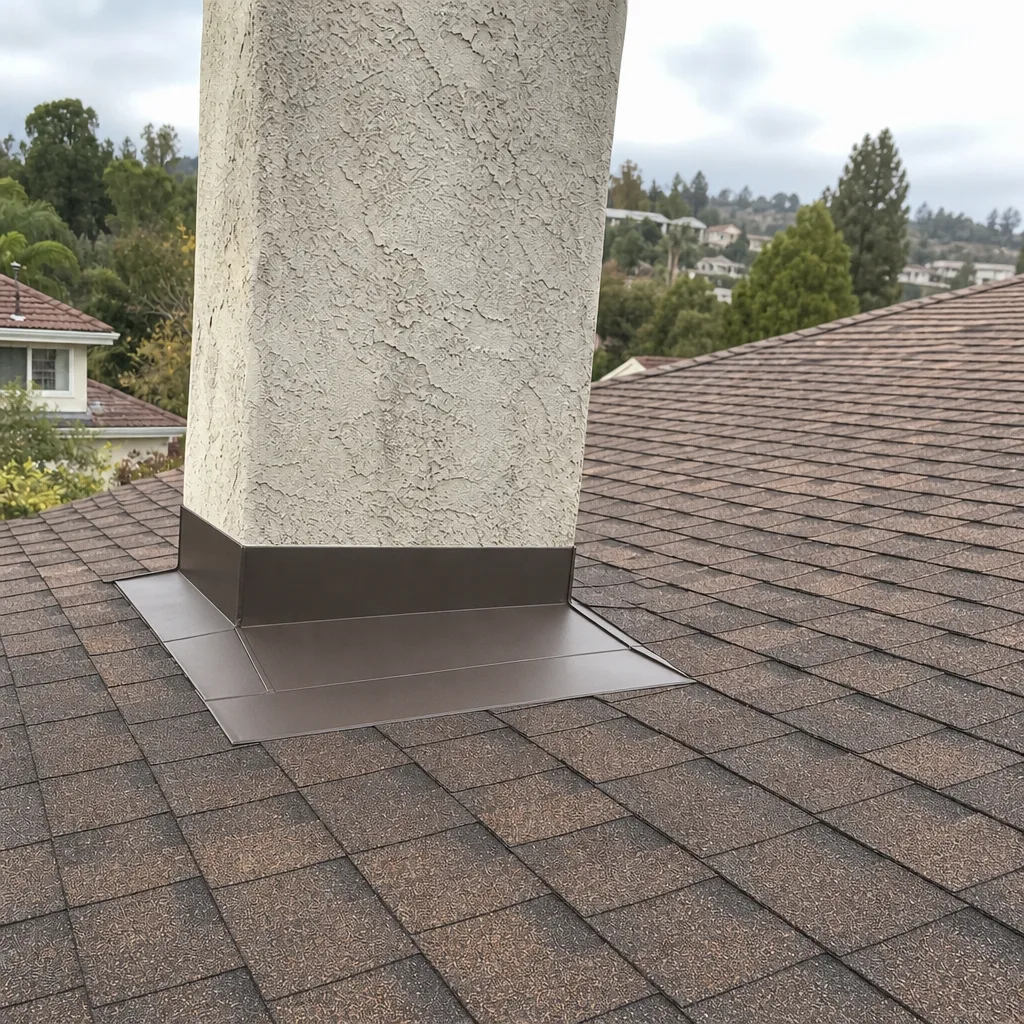 After
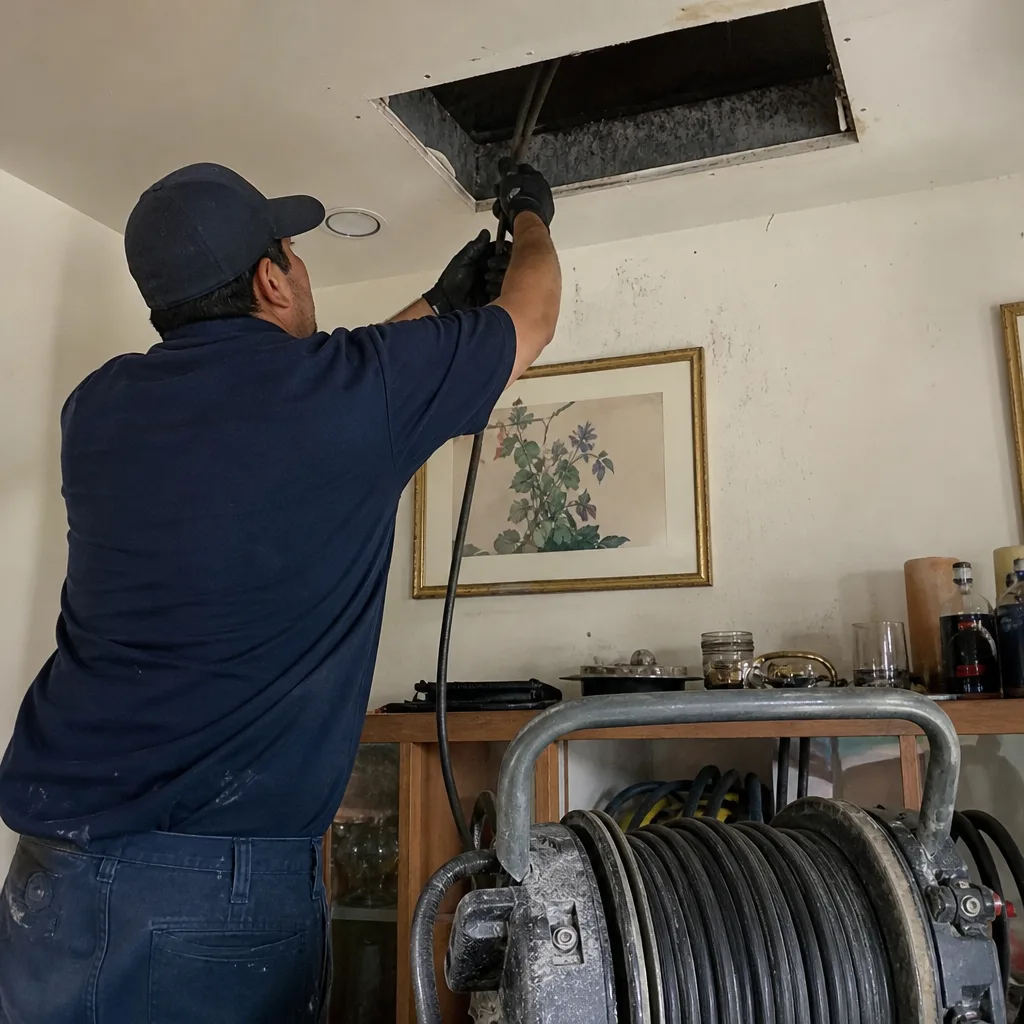 Before
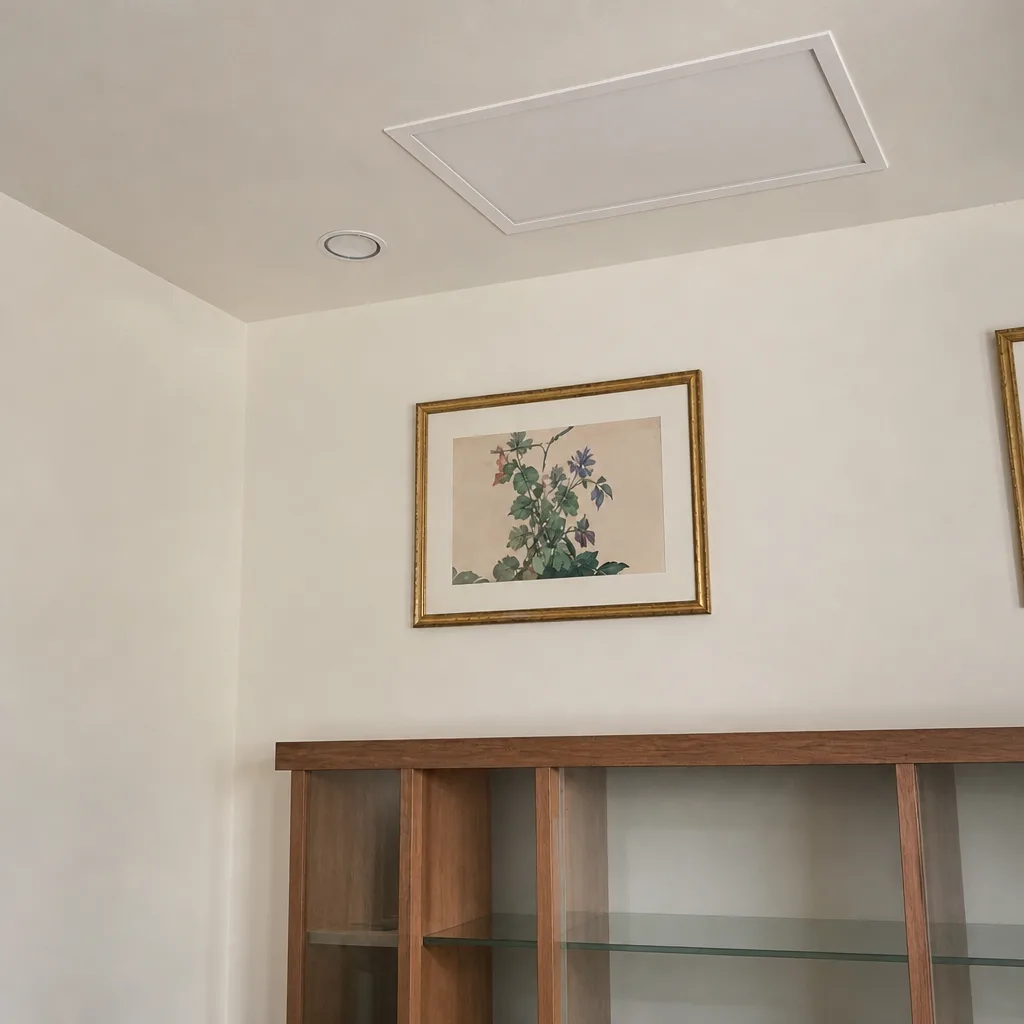 After
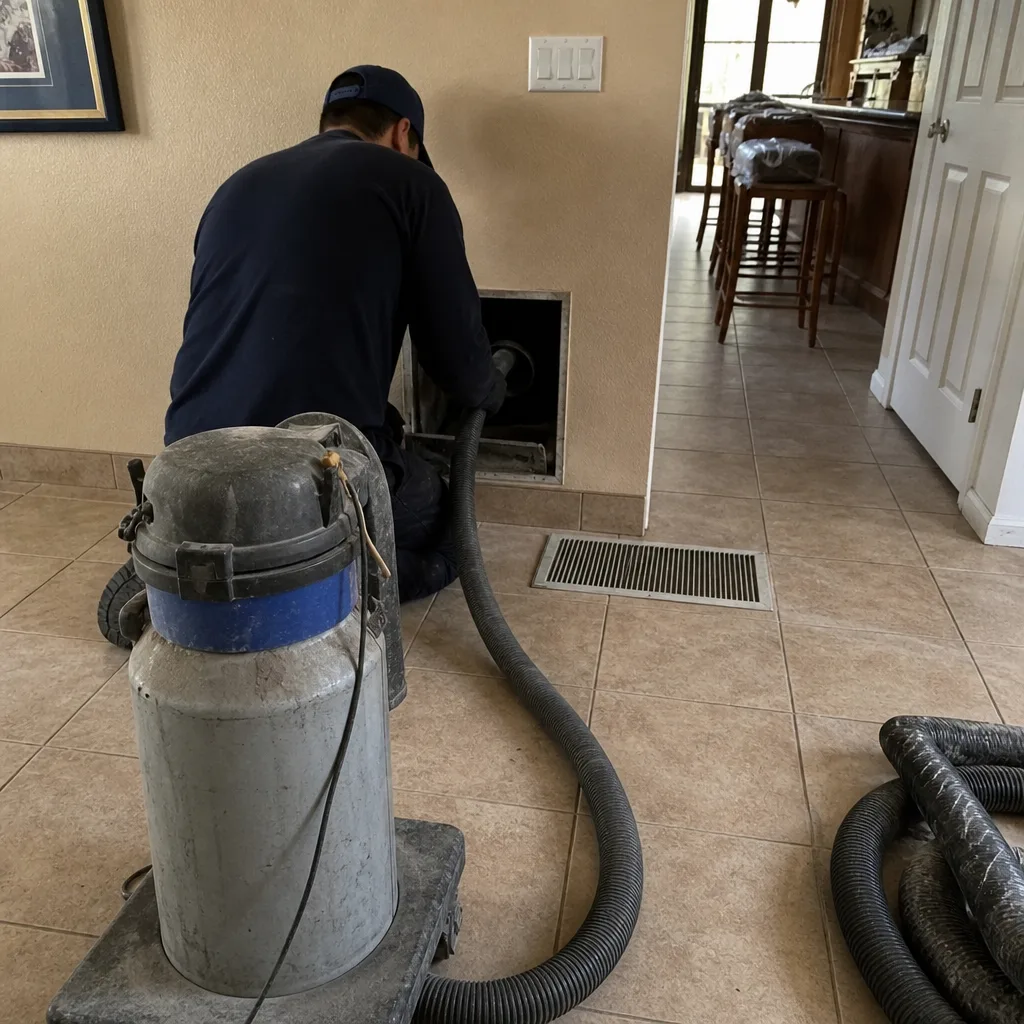 Before
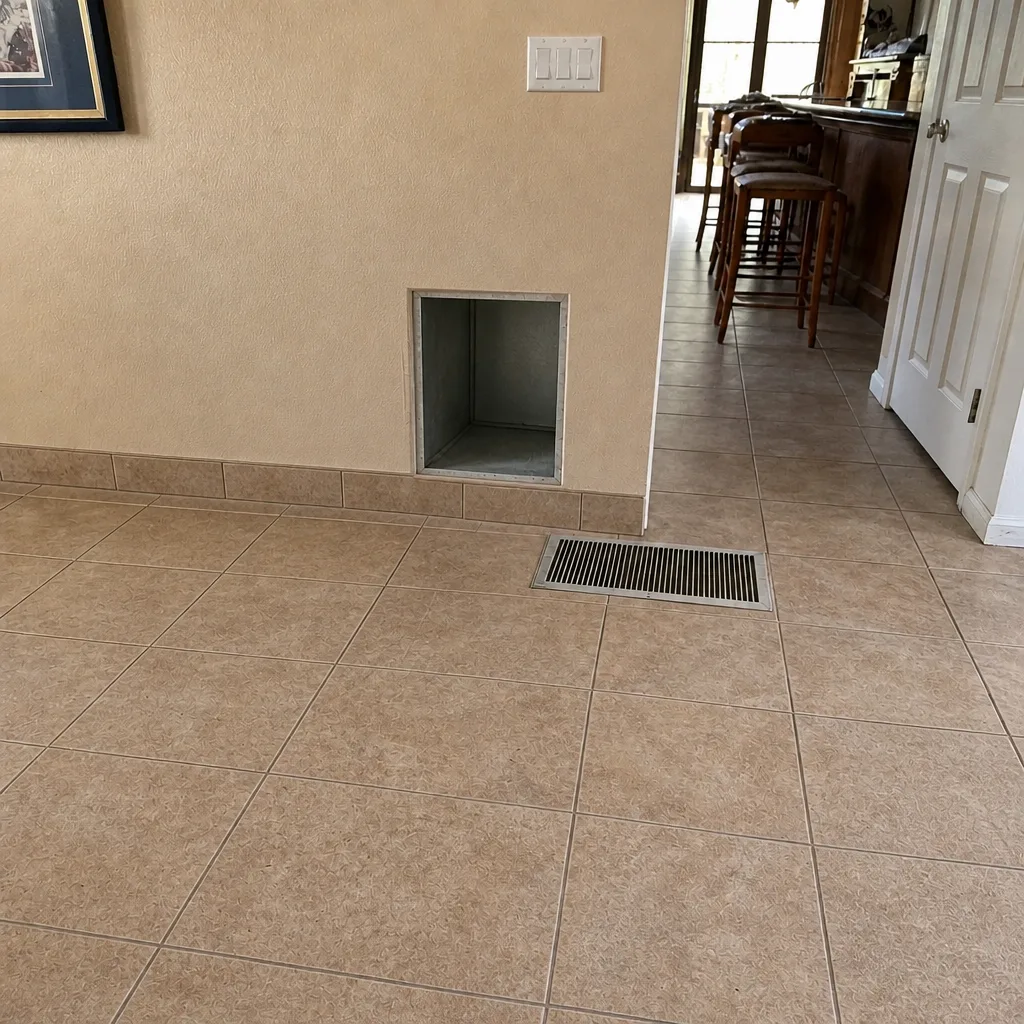 After
When to Call a Professional
Most of what’s on this page can be checked by a homeowner with a flashlight and a curious eye: feel for air at a duct joint, look at the inside of the plenum if it’s accessible, notice whether dust comes back. The point where you should call a pro is when the evidence points to a system issue you can’t safely or thoroughly address. Loose or separated ducts in an attic or crawlspace should be repaired by a technician, not reached for on a ladder. Suspected growth, ash, or contamination that reaches the plenum needs proper containment, not a shop vacuum. A camera report is more useful than a second opinion from a friend.
Air Duct Cleaning Porter Ranch offers free estimates in Porter Ranch – call (833) 570-5137. Our technicians have up to 14 years of experience, and a scope-and-assess visit tells you which problem you actually have before you spend on a fix.
Frequently Asked Questions
Air duct cleaning in Porter Ranch is typically quoted as a whole-system estimate rather than a per-vent price, and the final price is set per job by a written estimate after a scope of the system. A whole-house cleaning with proper negative-pressure containment and a camera report lands in a range that depends on the number of branches, whether the plenum needs cleaning, and whether repair or sealing is bundled in. The written estimate, agreed before work starts, is the final number. Call (833) 570-5137 for an exact quote – estimates are free.
The cheapest quotes usually skip the equipment and the process: no negative-pressure containment, no camera report, and a portable shop vacuum rather than a contact-cleaning system. That’s a surface clean of the register faces, not a cleaning of the trunk line and plenum. A quote that’s dramatically lower than everyone else’s is usually priced to the wrong scope of work. Call (833) 570-5137 to compare against a proper whole-system estimate.
You know because you saw the photos. A real cleaning includes before-and-after camera images of the interior of the trunk line and the plenum, not just the register faces, and those images are shared with you. If a contractor can’t show the inside of the plenum after the job, the job can be questioned. Call (833) 570-5137 to schedule a scope-based estimate.
There’s no fixed calendar answer. Most homes are in good shape if the hvac filtration is sized correctly and the ducts are sealed, and cleaning becomes worthwhile after a specific event: a renovation, a known dust intrusion, biological growth, or a persistent symptom that traces to the ducts. Homes in Porter Ranch affected by the Woolsey Fire era of ash infiltration, or hillside homes where flex duct collars work loose, are more likely to need a scope check. Call (833) 570-5137 to have the system checked.
It’s almost always the duct run feeding that room, not the furnace. A crushed, undersized, or disconnected run delivers less air than the room needs, and no amount of equipment service will change the duct run’s capacity. A scope of that branch tells you which. Call (833) 570-5137 for a scope-and-assess estimate.
Yes. Dryer vent cleaning is part of the same service relationship as the duct and HVAC work, and pairing the visits saves scheduling a second appointment. The vent shares the same failure pattern of gradual lint accumulation with no obvious warning. Call (833) 570-5137 to book both in one visit.
The Bottom Line
Most of what feels like an HVAC problem is a duct problem, and most duct problems trace to one of three causes: a leaking or separated run, contamination a cleaning didn’t reach, or a filtration setup that lets dirt in. Reading the symptom correctly – temperature and airflow point to sealing, dust and odor point to cleaning or the coil – is what saves the money. Porter Ranch homes add two local stresses worth knowing: flex duct collars that work loose with ground movement, and ash from the Woolsey Fire still sitting in some attics. A camera report, containment, and a technician who can seal and repair as well as clean are the three things to look for in a contractor. Call (833) 570-5137. We answer 24/7. Fast dispatch from 7am to 7pm, Sunday through Friday.
Written by the team at Air Duct Cleaning Porter Ranch.