
Last updated November 22, 2026
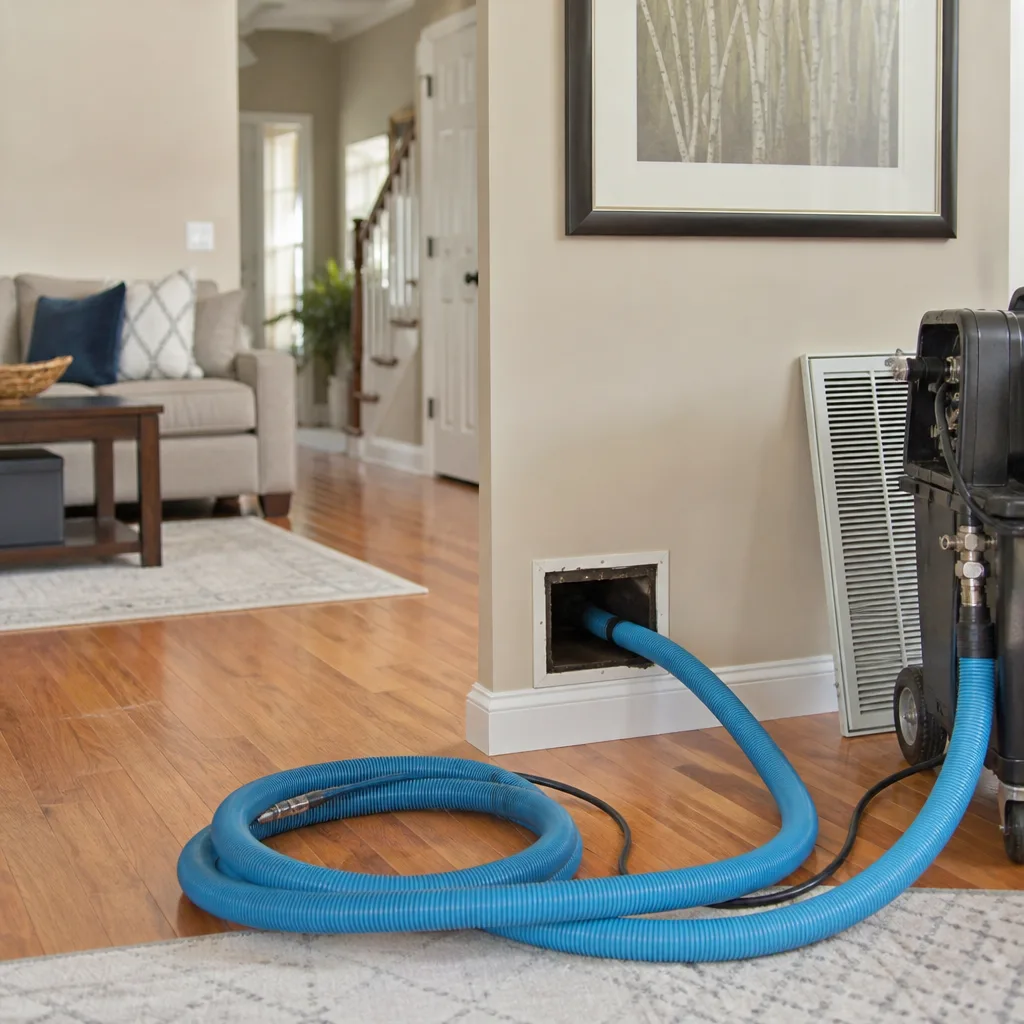 Whole-home duct cleaning
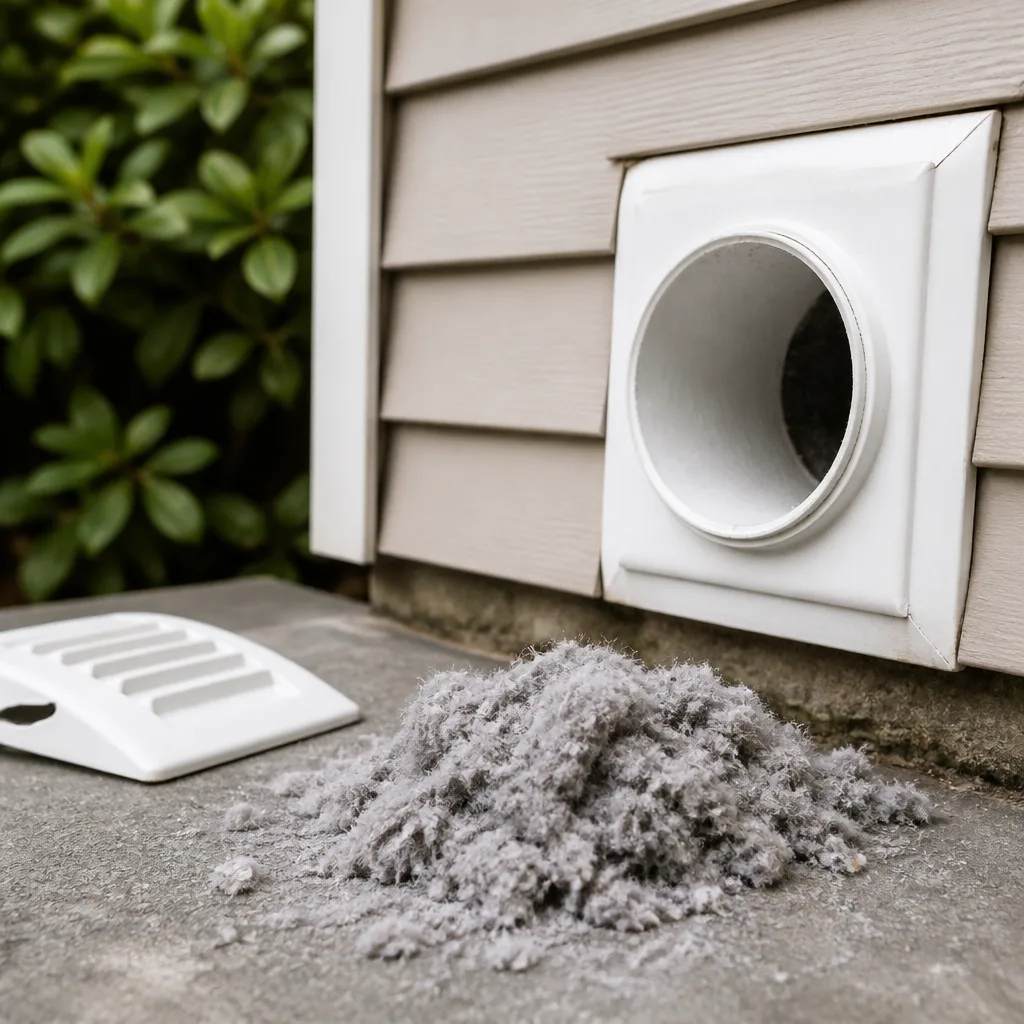 Dryer vent cleaning
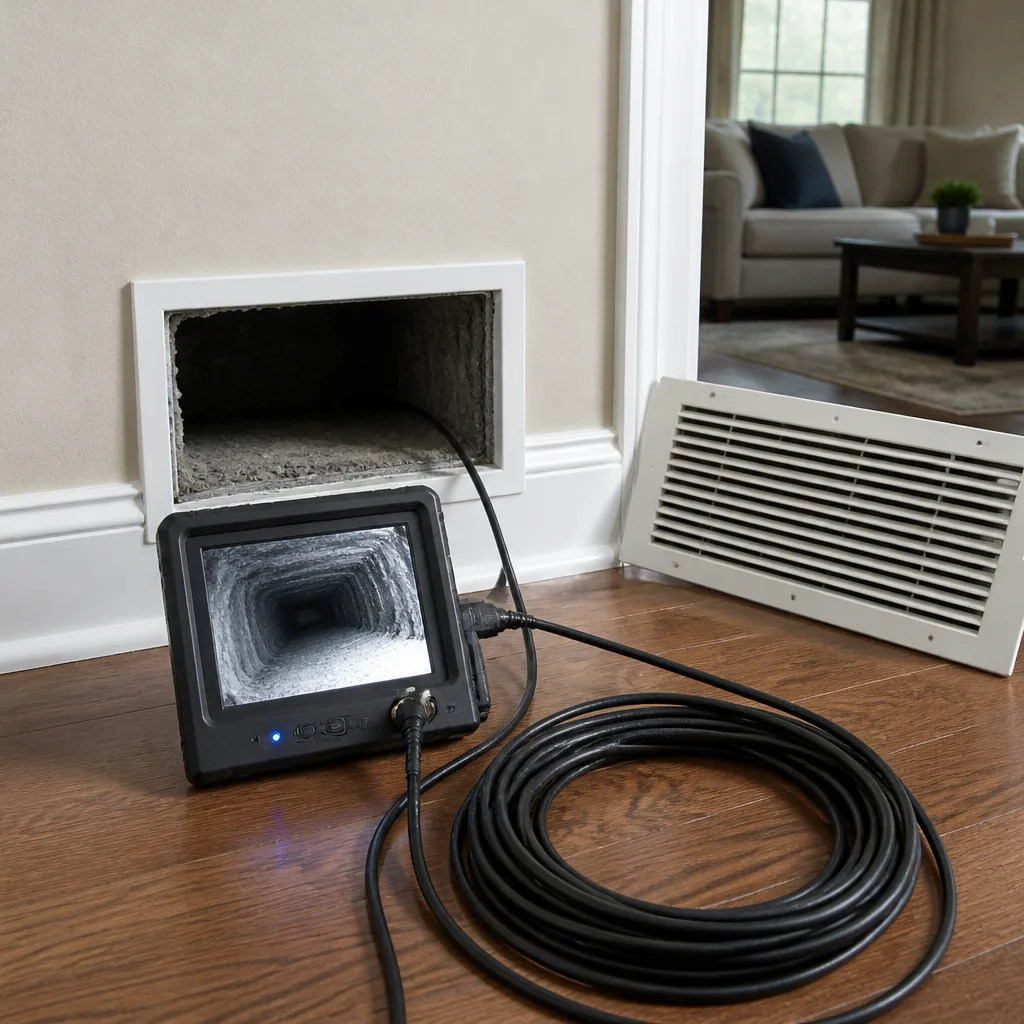 Camera inspection
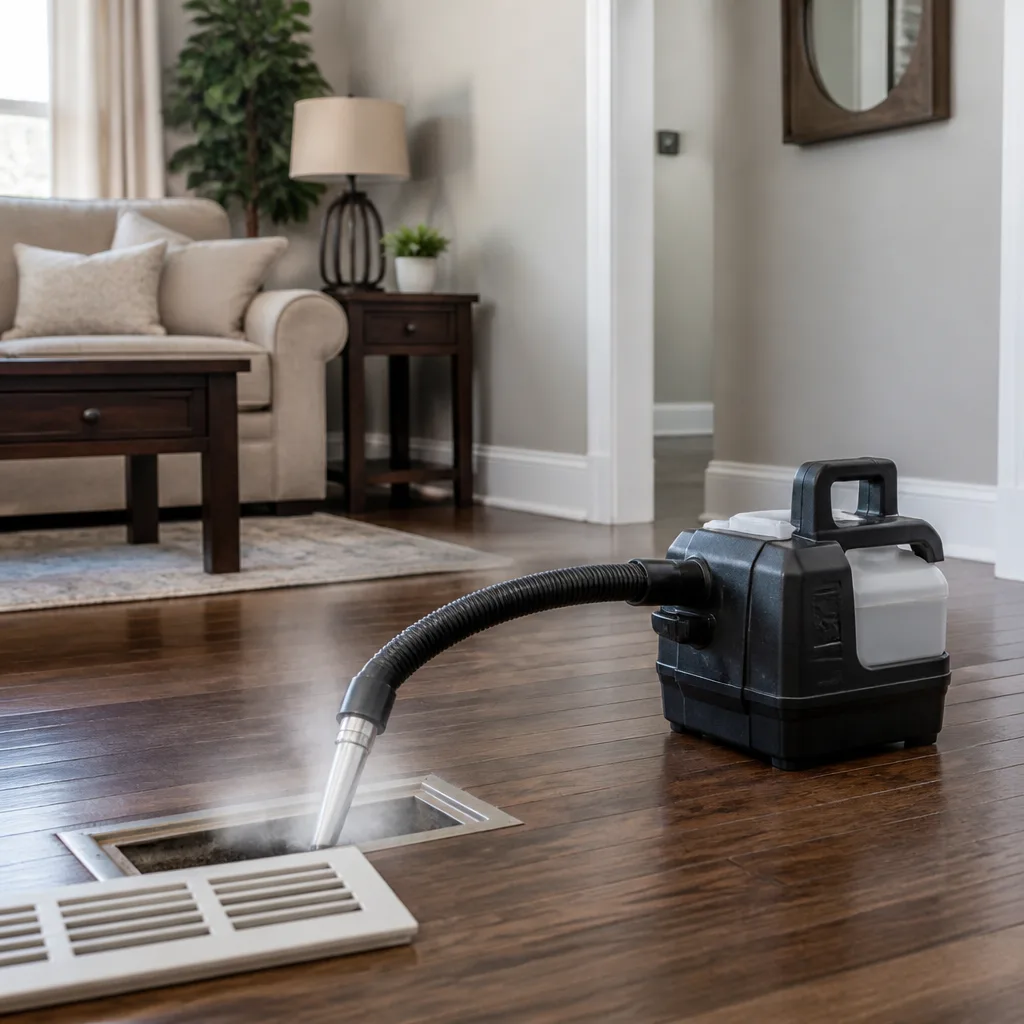 Sanitizing & deodorizing
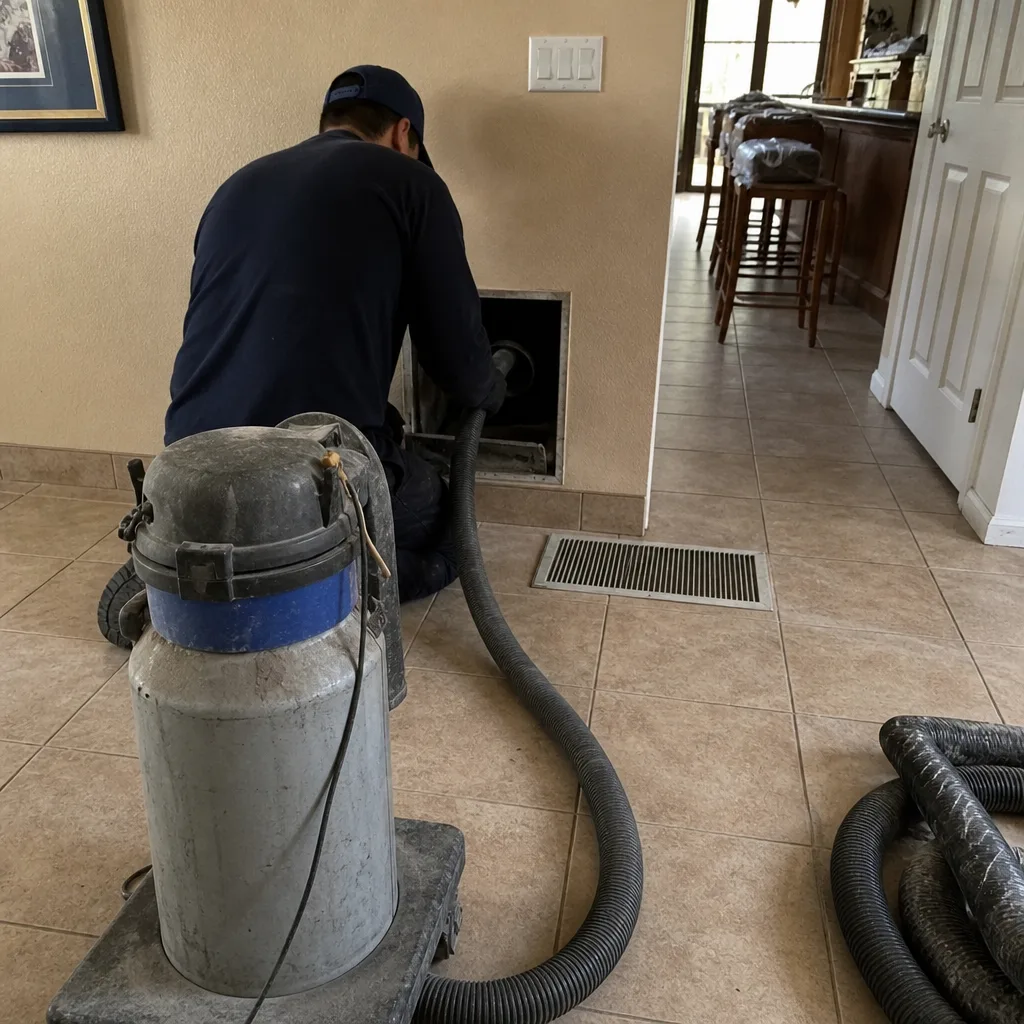
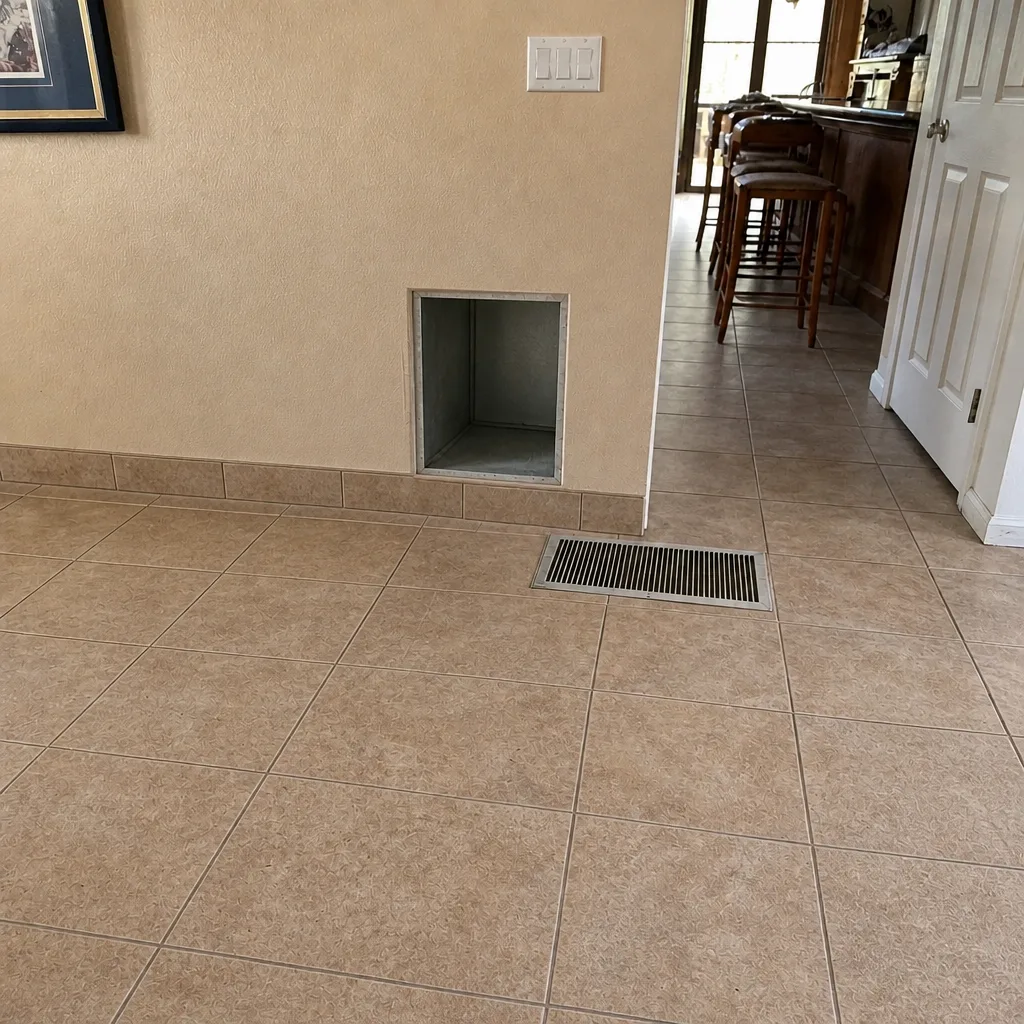
Whole-system duct and dryer vent check with before-and-after photos - you see exactly what came out of your vents
That "$99 whole-house special" is a bait ad - the real number appears once they are in your hallway, or the "clean" is a shop-vac at the register. We photograph the inside of your ducts before and after instead.
The Complete Guide to Air Duct Cleaning in Porter Ranch
Most homeowners here think about duct cleaning the same way they think about changing a filter: a small chore you get around to eventually. That assumption breaks down in Porter Ranch more than in most parts of Los Angeles. The 2015 Aliso Canyon methane blowout lasted 112 days and drew national attention to what can settle into a home’s air handling system, yet the guidebooks and coupon mailers still treat duct cleaning as one uniform service with one uniform price. It isn’t. What a home on the north side of the 118 actually needs depends on which construction era it was built in, what the Santa Susana foothills have blown downwind, and how the ductwork itself was run behind the drywall. This guide walks through the full process and maps it to Porter Ranch specifically.
Quick Answer
Air duct cleaning in Porter Ranch means removing built-up dust, ash, and fine particulate from the entire system using negative-pressure equipment and mechanical agitation, then verifying the result with airflow readings and before-and-after photos. It differs from routine maintenance because Porter Ranch’s position downwind of active wildfire corridors and ongoing construction means the particulate load here is heavier and finer than in most of Los Angeles. A thorough job takes several hours, includes repair and sealing of any leaks found, and should finish with documentation rather than a van pulling away.
Styles & brands we work with
- Whole-home duct cleaning
- Dryer vent cleaning
- Camera inspection
- Sanitizing & deodorizing
Table of Contents
- Why Porter Ranch Ductwork Faces Specific Contamination Risks
- What Your Home’s Construction Era Tells You About Its Ducts
- Source-Removal Cleaning vs. Blow-and-Go: What the Equipment Actually Does
- Step by Step: What a Complete Cleaning Looks Like
- Post-Cleaning Verification: How You Know the Job Was Done
- When Cleaning Isn’t Enough: Sealing, Sanitizing, and Replacement
- How Much Does Air Duct Cleaning Cost in Porter Ranch?
- How to Choose a Duct Cleaning Company in Porter Ranch
Why Porter Ranch Ductwork Faces Specific Contamination Risks
Porter Ranch sits in the northwest San Fernando Valley, below the Santa Susana foothills and within reach of the wildfire corridors that run through the hills to the north and west. When fires burn in those hills, the particulate that reaches Porter Ranch isn’t coarse ash you sweep off a patio. It’s fine, and fine particulate is exactly what an HVAC system is good at pulling in through the return. It settles in the ductwork, lines the plenum, and stays there. Coastal LA neighborhoods get a fraction of this loading because the marine layer holds much of it down before it travels inland.
There’s a second factor that gets less attention: construction. Porter Ranch has seen substantial new development, and active building sites produce drywall dust, silica, and wood particulate that drifts well beyond the property line. Homes near ongoing construction pull that material into their returns every time the system runs.
And there’s the history that no generic guide addresses. The Aliso Canyon blowout released methane into the community over 112 days. Methane itself doesn’t linger in ducts, but the episode left many Porter Ranch homeowners thinking carefully about what their air handling system has been exposed to and what it’s still holding. That’s a reasonable instinct. Ductwork is a reservoir, and it doesn’t empty itself.
- Wildfire ash infiltration from fires in the Santa Susana foothills and surrounding corridors pulls fine particulate into return air.
- Construction dust from the area’s ongoing development adds drywall and silica particles.
- Valley heat means the system runs long hours for much of the year, which moves more air (and more debris) through the same ducts.
- Inversion-layer air trapping in the San Fernando Valley keeps particulate suspended closer to ground level before it settles.
What Your Home’s Construction Era Tells You About Its Ducts
In our experience, the single most useful thing you can tell a technician before an inspection is the decade your home was built. The duct practices changed, and the problems changed with them.
2000s to 2020s construction
Most of the tract homes built in Porter Ranch during the last two decades use flex duct for at least part of the run, especially in attic spaces where rigid metal used to be standard. Flex duct is fast to install and does its job when it’s hung properly. The problem is that it often isn’t. Sags of more than a few inches, kinked turns at the plenum, and runs that rest directly on ceiling joists all create low spots where debris collects and airflow drops. Those sags are invisible from below. A camera inspection is the only way to see them.
1970s through 1990s construction
Older homes in the surrounding Porter Ranch area more often have rigid galvanized duct with taped or mastic joints. The metal holds up, but the joints don’t always. Tape fails after twenty or thirty years, and a failed joint leaks conditioned air into the attic while pulling attic dust into the living space. That’s the opposite of what a duct system is supposed to do, and it’s common enough that we look for it on nearly every older home.
Construction era also tells you something about contamination depth. A newer home in Porter Ranch has had less time to accumulate material, but its flex runs may have been collecting it in sags from the day the system first ran. An older home may have a shallower layer spread evenly through well-built metal duct. Neither situation is better or worse. They’re different, and they need different plans.
Source-Removal Cleaning vs. Blow-and-Go: What the Equipment Actually Does
The most important distinction in this trade is between cleaning that removes contamination from the source and cleaning that stirs it up and moves on. The difference is entirely about equipment, and it’s the reason two quotes for the same house in Porter Ranch can be hundreds of dollars apart.
What blow-and-go actually is
Blow-and-go uses a portable shop vacuum (often a consumer unit) connected to one register while a technician blows compressed air backward through another. Loose dust moves. Anything stuck to the duct wall, which is most of it after a few years, stays where it is. The vacuum’s filter is usually not rated for fine particulate, so some of what loosens comes back into the living space. It takes under an hour, and it produces a bill without producing a clean system.
What source-removal cleaning does
Source-removal cleaning starts by putting the whole system under negative pressure. A high-volume vacuum with HEPA filtration connects to the main trunk, and it holds the entire duct run at lower-than-atmospheric pressure for the duration of the work. Then agitation begins. Rotating brush heads on flexible shafts travel every branch, contacting the duct wall and loosening what’s bonded to it. Rotary air whips knock material off in the larger trunks. The negative pressure captures all of it at the source, and the HEPA filter stops it from going back into the air you’re breathing.
- Negative pressure: holds the system under vacuum so loosened material can’t escape into the home.
- Mechanical agitation: brushes and whips contact the duct wall, which is what bonded debris requires.
- HEPA filtration: traps fine particulate, including the sub-micron fraction typical of wildfire smoke.
- Full coverage: every trunk, branch, return, and plenum, not just the registers you can see.
We use Rotobrush contact-cleaning systems and Nikro equipment because they’re the same platforms professional restoration and remediation contractors rely on. That matters in Porter Ranch more than it might elsewhere, because remediation-tier equipment is what’s designed to handle contaminated systems rather than lightly soiled ones. Equipment quality isn’t a marketing point. It’s the whole job.
Step by Step: What a Complete Cleaning Looks Like
A complete duct cleaning on a Porter Ranch home follows a fixed order. Every step matters, and skipping one is how corners get cut.
- System inspection and camera survey. Before anything is touched, we inspect the accessible ductwork, look at the air handler and coil, and run a camera through the branch runs. This is where sags, disconnected joints, rodent intrusion, and previous water damage get found.
- Source containment. Registers are sealed, the main vacuum connects to the trunk, and negative pressure comes on before any brushing starts.
- Mechanical agitation. Brush heads travel every branch run. Rotary whips handle the main trunks and plenum. The sequence works from the far runs back toward the vacuum.
- Return, supply, and coil cleaning. Returns and the plenum are cleaned with the same equipment. The evaporator coil is inspected and, if accessible, cleaned, since a fouled coil recontaminates the supply side as soon as the system runs.
- Air handler and blower cleaning. The blower wheel and cabinet are cleaned, and the filter slot is cleared of debris that lets air bypass the filter.
- Repair and sealing. Any disconnected joints, crushed flex, or unsealed penetrations found in inspection are repaired and sealed with mastic. Most cleaning-only companies stop before this step or subcontract it.
- Verification. Airflow is measured at the registers, photographs are taken before and after, and the filter is pulled to confirm the system is running clean.
Because the repair and sealing work happens during the same visit, a Porter Ranch homeowner doesn’t need to schedule a second contractor when the inspection reveals a leaking joint. That matters more than it sounds like it does, because a cleaned duct system with an unsealed leak stays contaminated. Clean and seal are one job.
If you want to see what that process looks like in practice, our air duct cleaning Porter Ranch page walks through the equipment and verification standards we hold to on every visit.
Post-Cleaning Verification: How You Know the Job Was Done
The most common complaint about this industry is that a technician arrives, makes noise for forty minutes, and leaves without any evidence the ducts are actually clean. Porter Ranch homeowners have every right to be skeptical of that. Verification is the answer, and it’s a step a contractor either commits to or doesn’t.
Air you can verify, not just claim, means these things happen on every job:
- Before-and-after photographs of your own ducts. Not stock images from a brochure. Photo evidence from the interior of your trunk and a representative sample of branches, including the plenum.
- Airflow measurement at the registers. Readings taken before and after. If the numbers don’t move, ask why.
- Filter inspection at close-out. The filter is pulled after the work. Any debris visible on the clean-side face of the filter means contamination is still moving through the system.
- Visible access points. Cuts into branch runs for the brush shaft are capped and sealed before the technician leaves, so you can see where the work happened.
- A written closeout. What was cleaned, what was found, what was repaired, and what was recommended for next time.
Ask for these things before you hire. A contractor who can’t explain how they verify the work hasn’t thought about it, and if they haven’t thought about verification, they haven’t thought about whether the cleaning actually worked. That’s a bigger deal than price.
When Cleaning Isn’t Enough: Sealing, Sanitizing, and Replacement
Cleaning handles debris. It doesn’t handle everything, and pretending otherwise is how homeowners end up calling someone back six months later. A Porter Ranch home inspection frequently finds one of three conditions that call for more than a standard cleaning.
Mastic sealing
Loose joints, unsealed penetrations, and gaps at the plenum connection leak conditioned air continuously. In some Porter Ranch attics, we’ve seen supply runs where the cumulative leakage is a substantial share of what the system produces. Cleaning those ducts without sealing them means they recontaminate from attic air within a heating or cooling season. Mastic sealing at every joint and connection closes the system, and it’s why we cover sealing as part of the duct-work menu rather than a separate service you have to arrange.
Air sanitizing
Some contamination isn’t particulate. Microbial growth on the coil or in a damp duct section, rodent contamination in an attic run, or residual odor after a fire nearby won’t be solved by brushing alone. Sanitizing the system after cleaning handles what cleaning leaves behind. That’s a discretionary recommendation based on inspection, not a default step.
Replacement
Flex duct that’s collapsed, crushed, or has sags deeper than a hand span can’t be reliably cleaned. The debris settles below the brush path, and the duct has already lost most of its airflow anyway. Restoration contractors replace duct in these cases, and so do we. A replacement run costs more than a cleaning, but it produces a duct that stays clean and performs to design instead of a cleaned duct that re-fouls in a year.
Diagnostic air-quality equipment matters here. We carry Abatement Technologies air-filtration capability, which supports work in homes with mold concerns, renovation dust, or after a post-fire or post-water event. That’s the same tier of containment equipment remediation contractors use, and it’s the reason we can take on jobs that a cleaning-only company has to walk away from.
Alongside the cleaning and repair work, we supply and install Aprilaire and Honeywell indoor-air-quality products, including filtration upgrades, so a filtration improvement can happen in the same service relationship as the cleaning. If you want a system that keeps the ducts cleaner between visits, that’s the conversation to have after the inspection, not six months later.
How Much Does Air Duct Cleaning Cost in Porter Ranch?
Air duct cleaning in Porter Ranch typically runs $450 to $1,200 for a whole-house clean depending on system size, number of branches, contamination level, and whether repairs or sealing are added. Whole-system pricing is the standard, and it’s what you should ask for. Per-vent pricing is the surest sign that debris will only be partially removed, and it’s how a low coupon price turns into a bigger invoice once the technician is on site.
- Whole-house duct cleaning: typically $450 to $1,200, one flat price per system.
- Dryer vent cleaning: typically $125 to $225, an add-on service that consolidates two maintenance tasks in one visit.
- HVAC cleaning (air handler, coil, blower): priced with the duct cleaning based on the system configuration.
- Duct repair and sealing: priced per repair and per sealed joint after the inspection identifies what’s needed.
- Air sanitizing: priced with the cleaning based on square footage of ductwork treated.
These are estimates, not quotes. The written estimate sets the final price, and it’s presented before work begins. The number doesn’t change because a joint turned out worse than expected. That’s the difference between a professional service and a bait-and-switch offer, and Porter Ranch homeowners who’ve dealt with the second kind tend to be specific about wanting the first.
Dryer vent cleaning deserves its own paragraph alongside the HVAC work. Lint accumulation in a dryer vent is a fire risk in any home, and consolidating it with the duct cleaning means you’re not scheduling a second contractor for a job that takes under an hour. Our dryer vent cleaning service covers the full run from the dryer connection to the exterior termination, including any hidden flex sections.
How to Choose a Duct Cleaning Company in Porter Ranch
Choosing a duct cleaning company is mostly a matter of asking the right questions before the work begins. A contractor who can answer all of these clearly is worth more than one advertising a lower price.
- What equipment do you use? The answer should name specific professional systems, not “state-of-the-art equipment.”
- Do you put the system under negative pressure before cleaning? This is non-negotiable. Cleaning without containment distributes contamination.
- Do you use contact cleaning (brushes and whips) or only air? Only air means only the loose dust comes out.
- Will you run a camera before the work? What will you show me? Camera inspection is how sags, crushed flex, and broken joints get found.
- Do you repair and seal, or subcontract that? If the answer is subcontract, expect an extra step and extra cost.
- How do you verify the job after cleaning? Photographs, airflow readings, filter inspection. If they can’t describe their own verification, that’s your answer.
- Is approval a flat price per system, or per vent? Flat pricing eliminates the bait-and-switch dynamic entirely.
In our experience the customers who ask these questions get better outcomes regardless of which contractor they choose, because the questions themselves filter out the companies that don’t do this work properly. Every one of these points is standard on our own jobs, and if you’d like to see the process in more detail, our air duct cleaning overview covers what each step accomplishes.
The HVAC side is worth mentioning here too. Cleaning ductwork without cleaning the air handler, coil, and blower leaves the source of the supply-side contamination in place. Our HVAC cleaning service is designed to happen at the same visit, and it’s the difference between a clean duct system and a clean whole system.
Common Mistakes to Avoid
- Choosing on price alone. A quote well below the typical Porter Ranch range almost always means blow-and-go methods, minimal agitation, and a vacuum that doesn’t hold the system under negative pressure. What you save, you pay for later.
- Assuming cleaning alone fixes airflow. A duct system with crushed flex or a sagging attic run won’t perform any better after cleaning. The inspection has to come first, and the repair has to happen in the same visit.
- Skipping the air handler and coil. A fouled coil recontaminates every clean duct downstream of it. Cleaning the ducts but leaving the coil is choosing to do half the job.
- Accepting a photograph-free closeout. If the work isn’t documented with your own ducts and your own airflow readings, you have no way to know what was actually cleaned.
- Ignoring construction-era problems. Newer Porter Ranch flex-duct sags and older galvanized duct tape failures are both common and both worth finding before choosing a service plan.
- Treating the dryer vent as an afterthought. The vent is a fire-risk system in its own right, and cleaning it alongside the HVAC system costs less than scheduling a second visit.
- Waiting for visible symptoms. By the time dust is visible at the registers, the contamination in the plenum and trunk is deeper. Inspect on a schedule based on conditions, not on what you can see.
See the difference
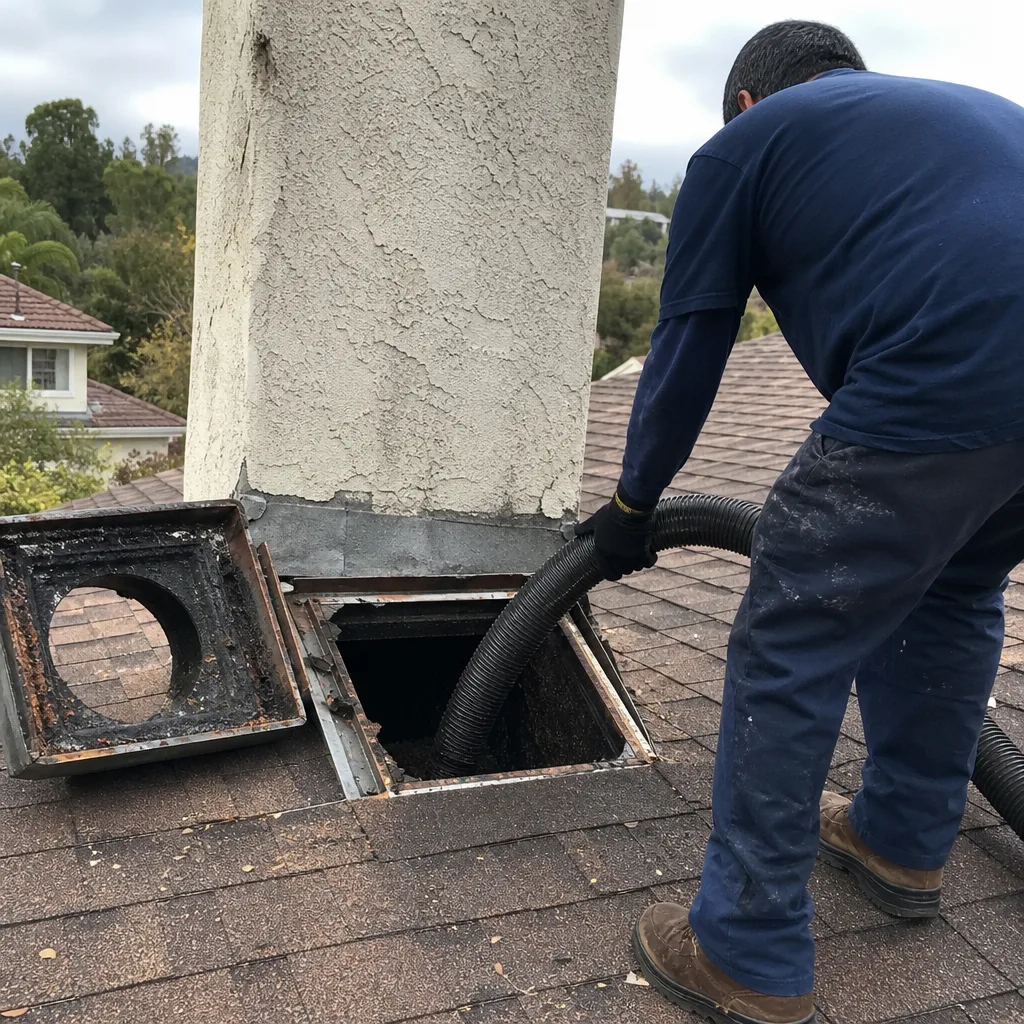 Before
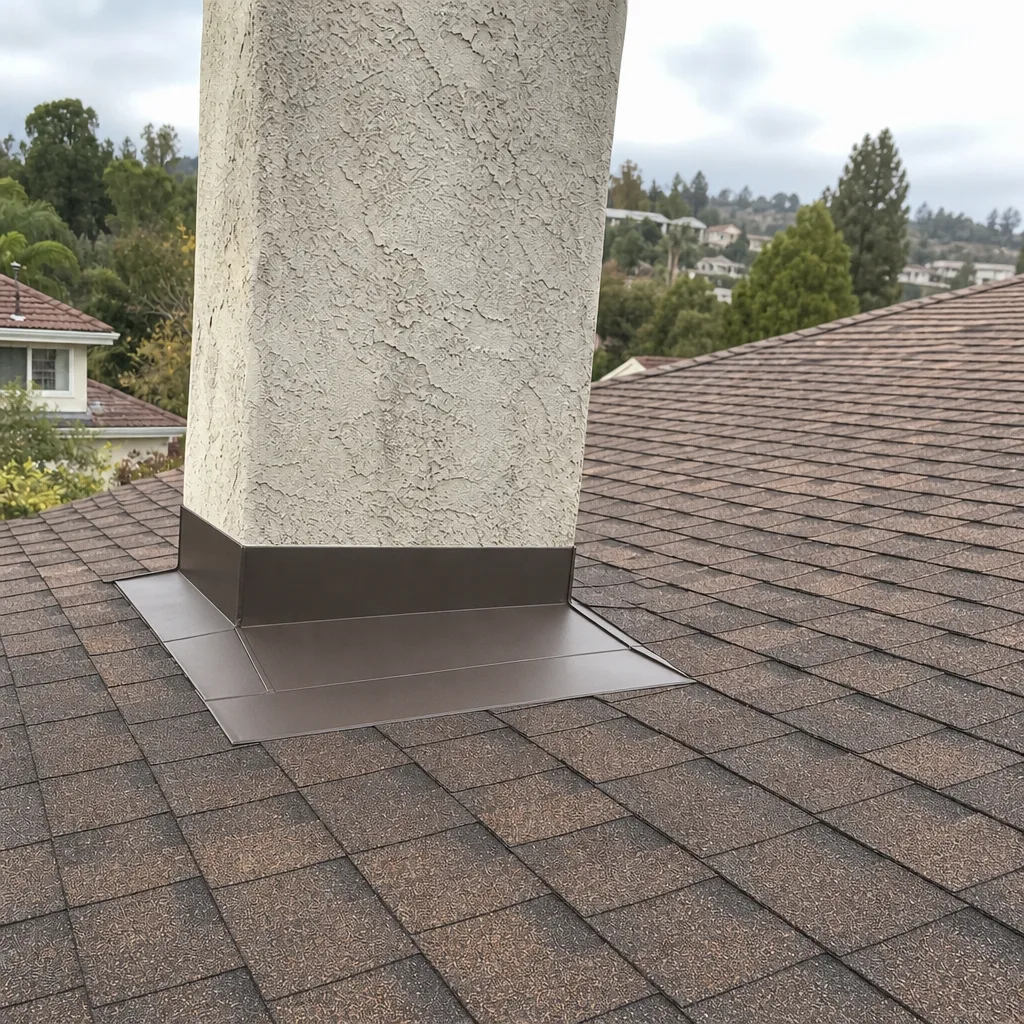 After
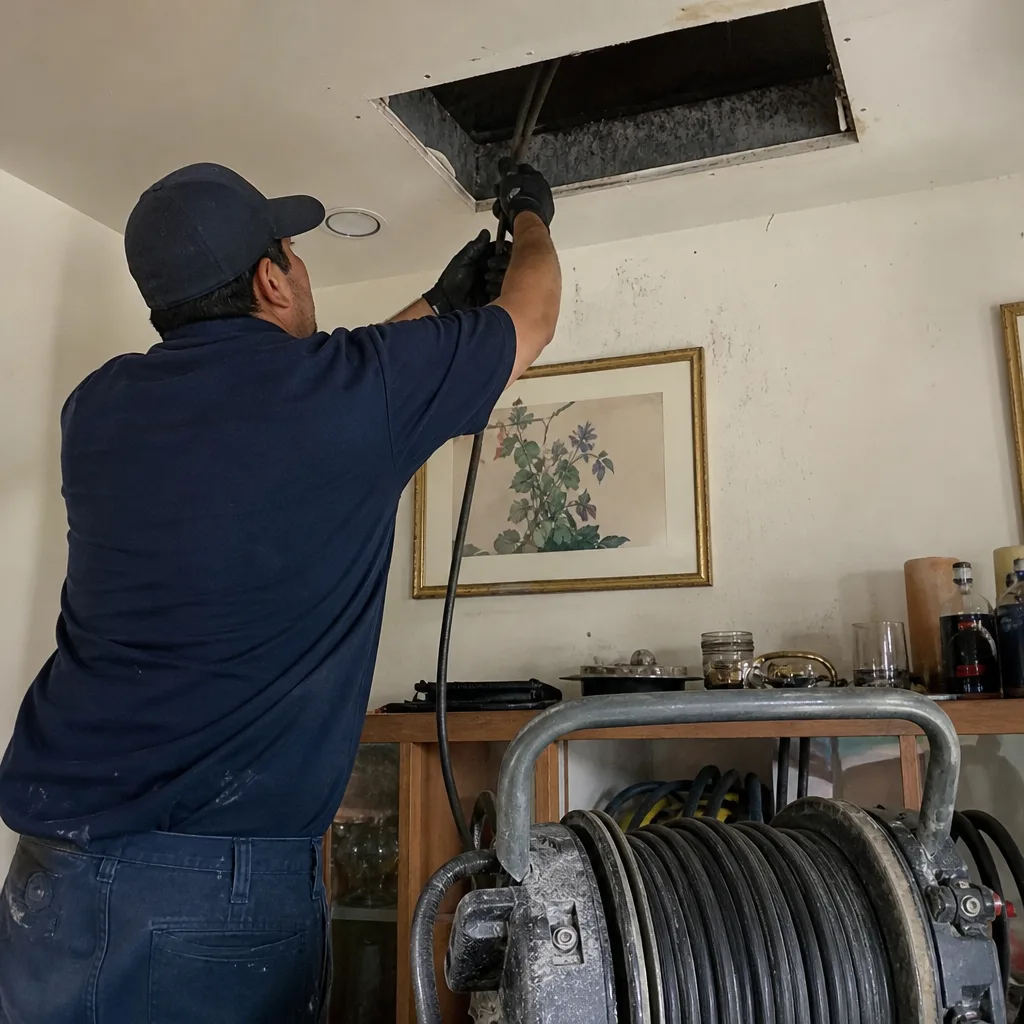 Before
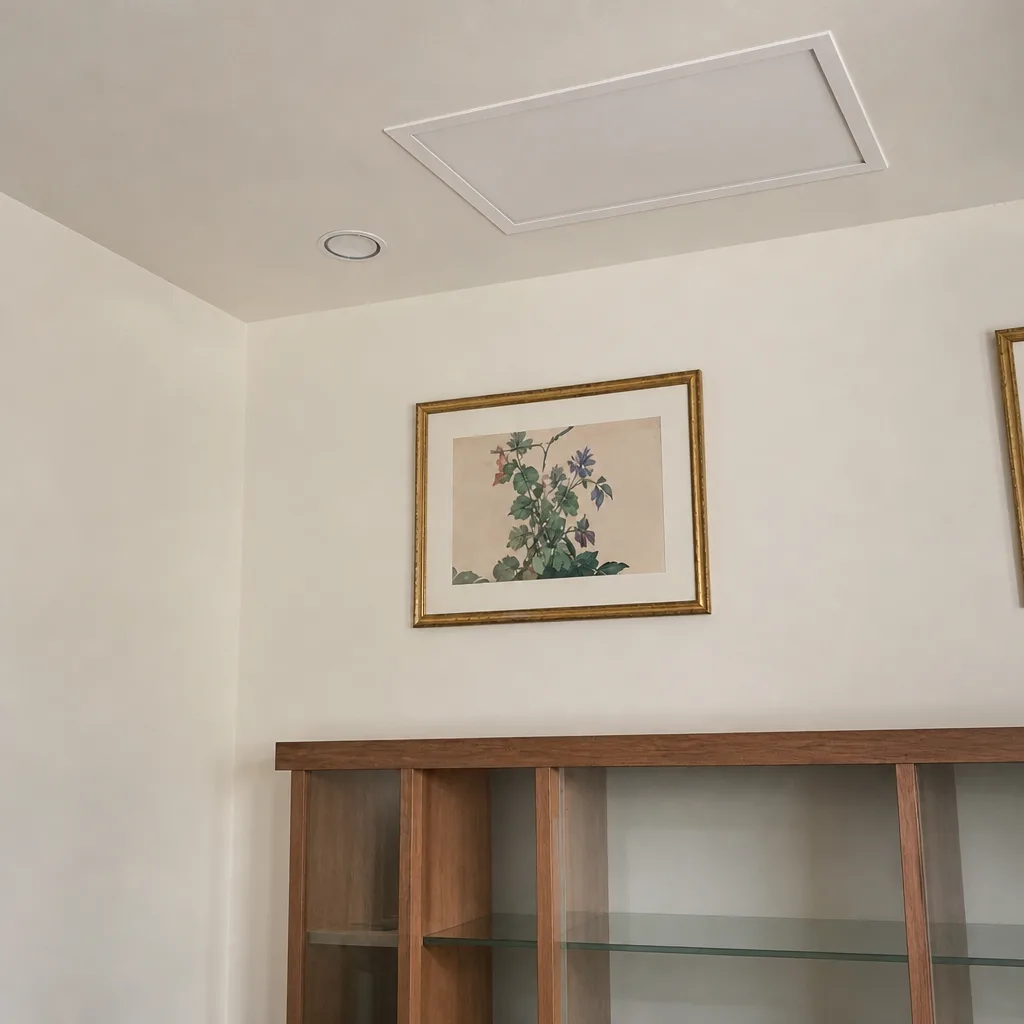 After
 Before
 After
When to Call a Professional
Not every dusty house needs a duct cleaning, and the honest answer to “should I call?” depends on conditions. Call a professional if any of these apply to your Porter Ranch home: the ducts haven’t been cleaned in several years and the home is in an active wildfire corridor; you’ve recently completed a renovation or addition and drywall dust has been pulled through the returns; you’ve had a water event or found moisture in a duct section; you notice uneven airflow between rooms; there’s visible debris or rodent activity at a register; or you’ve recently moved into a home with unknown ductwork history. Each of these suggests a reservoir that a filter change won’t address. Air Duct Cleaning Porter Ranch offers free estimates in Porter Ranch – call (833) 570-5137. We answer 24/7, and fast dispatch runs 7am to 7pm, Sunday through Friday.
Frequently Asked Questions
Air duct cleaning in Porter Ranch typically runs $450 to $1,200 for a whole-house system clean, with the final price set by a written estimate before work starts. The range reflects system size, branch count, contamination depth, and whether repair or sealing is needed. Call (833) 570-5137 for an exact quote – estimates are free.
Most Porter Ranch homes benefit from duct cleaning every three to five years, and more often if you’re near active wildfire corridors or ongoing construction. The Aliso Canyon era and the area’s development schedule both add to the standard interval. The right number depends on what the inspection finds rather than a calendar rule.
Cheap quotes usually reflect blow-and-go methods: no negative pressure, no mechanical agitation, no camera inspection, no verification. The work takes less time because less is actually removed from the duct walls. It’s the same house and the same ducts, but the service isn’t the same service. Call (833) 570-5137 for a quote that reflects a full-system cleaning with verification.
You know the work was done when the contractor provides before-and-after photographs of your own ductwork, airflow readings taken before and after, and a filter inspection at closeout. Ask for this at hiring. If a contractor can’t explain how they verify their own work, that tells you what you need to know. Call (833) 570-5137 to see our process before you decide.
Yes, often, because newer Porter Ranch construction frequently uses flex duct with sags and poorly supported runs that trap debris from the moment the system first runs. Construction dust from the surrounding development adds to the load. A camera inspection tells you whether your specific home needs it.
Duct cleaning reduces a reservoir of particulate that circulates through the home every time the system runs, which helps many allergy-sensitive households. It works best combined with filtration upgrades and sealing, since a leaking duct system will recontaminate. Our technicians have up to 14 years of experience identifying which step produces the most improvement for a given home. Call (833) 570-5137 for a free estimate.
The Bottom Line
Duct cleaning in Porter Ranch isn’t a commodity service, and treating it as one is how homeowners end up paying twice. The specifics here matter: wildfire ash from the Santa Susana foothills, construction dust from ongoing development, flex-duct sags in newer tract homes, failed tape joints in older ones, and the Aliso Canyon history that made a lot of people start looking more carefully at their indoor air. What separates a real cleaning from a cheap one is equipment (negative pressure plus contact agitation), scope (air handler, coil, returns, and repairs included), and verification (photographs, airflow readings, filter inspection). One flat price per system agreed before work starts is the standard. If you’re ready to see what your own ducts look like, call (833) 570-5137 for a free estimate. We answer 24/7, and fast dispatch runs 7am to 7pm, Sunday through Friday.
Written by the team at Air Duct Cleaning Porter Ranch.