
Last updated November 22, 2026
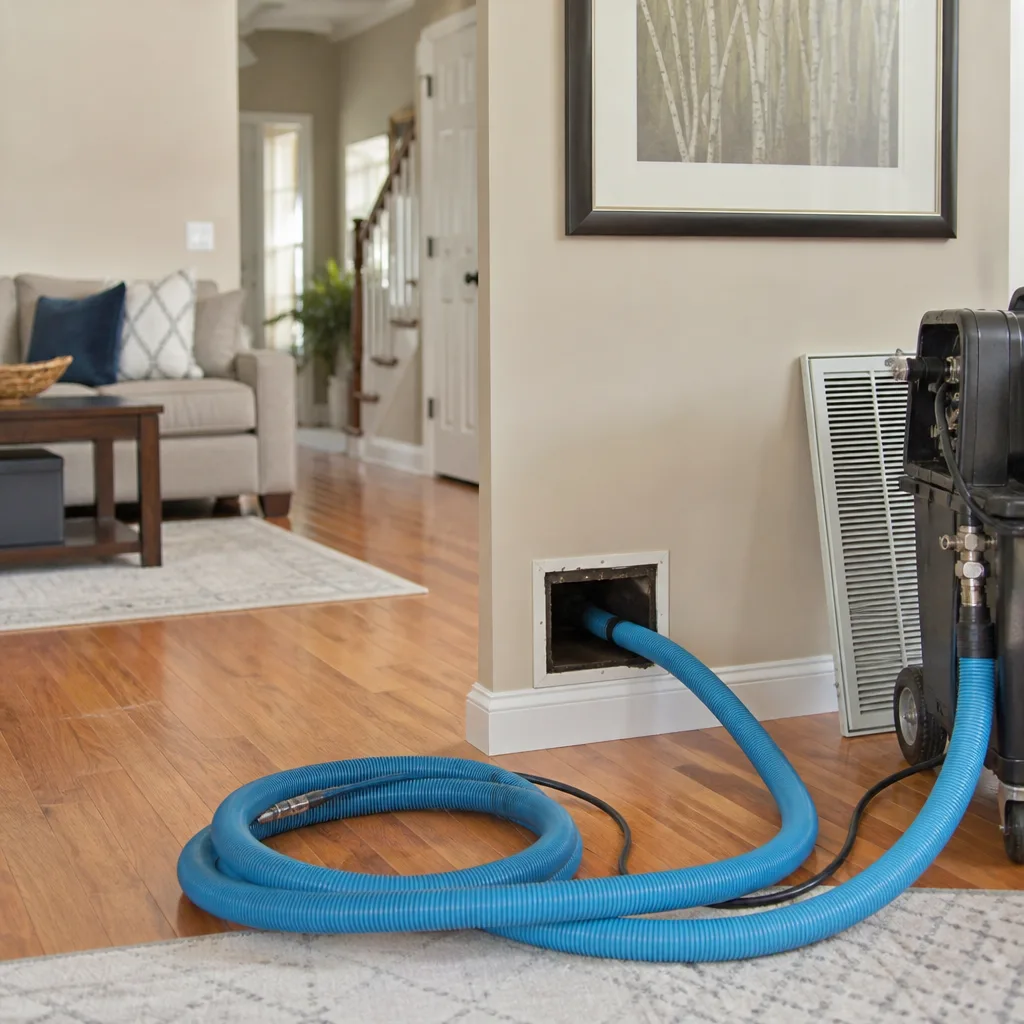 Whole-home duct cleaning
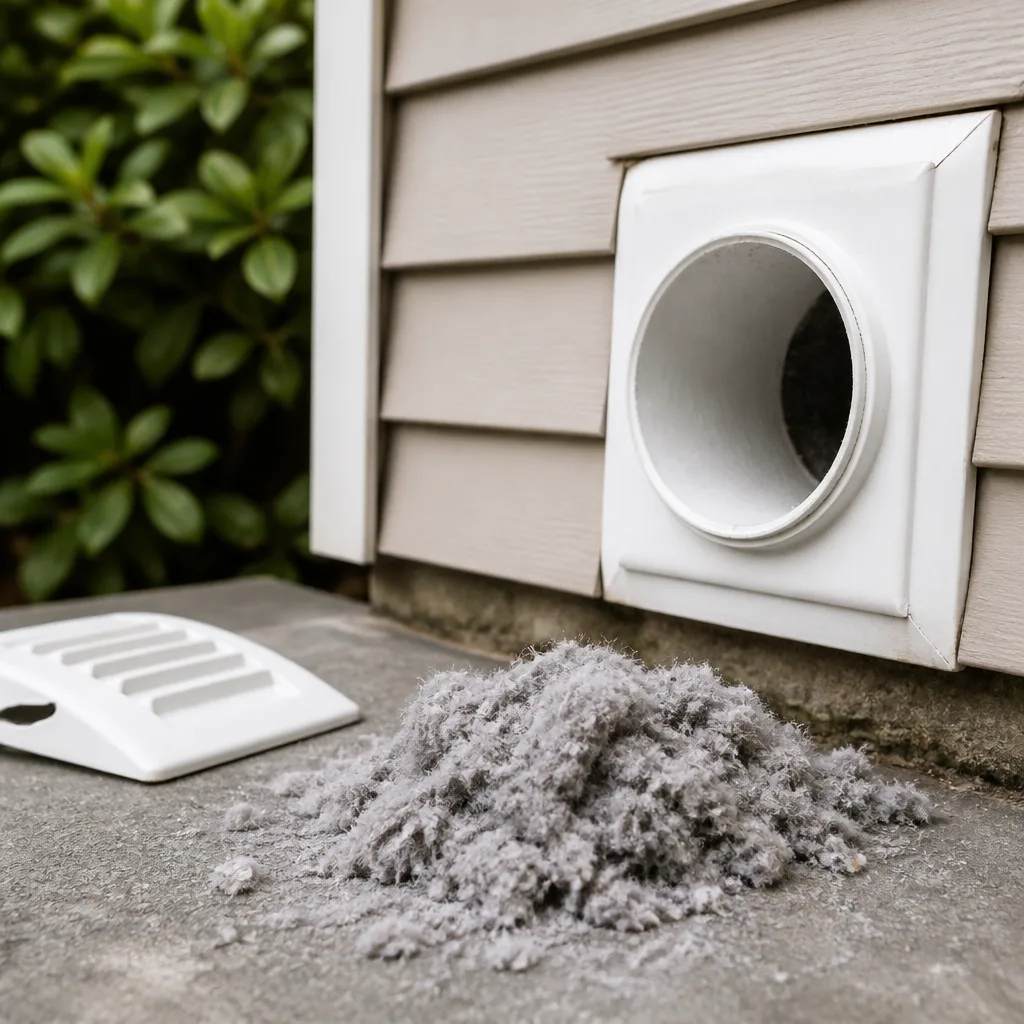 Dryer vent cleaning
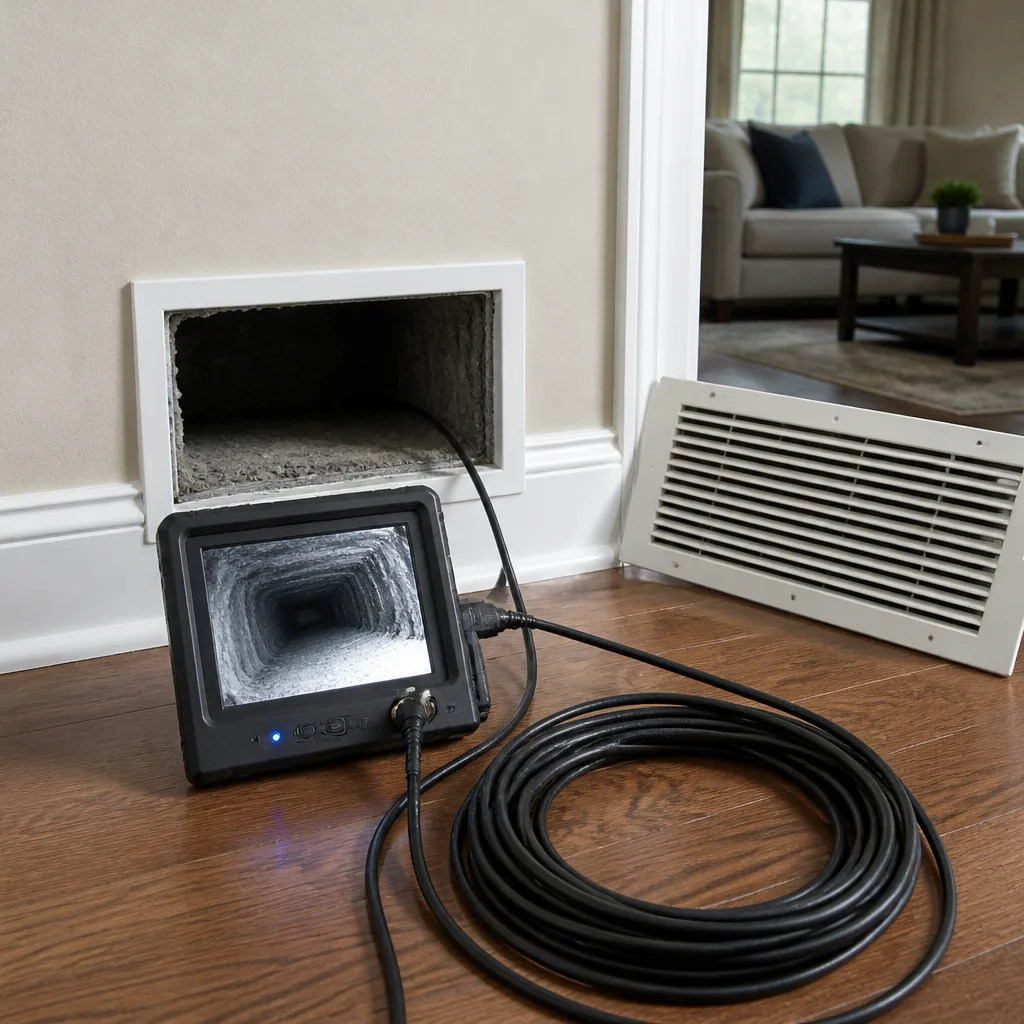 Camera inspection
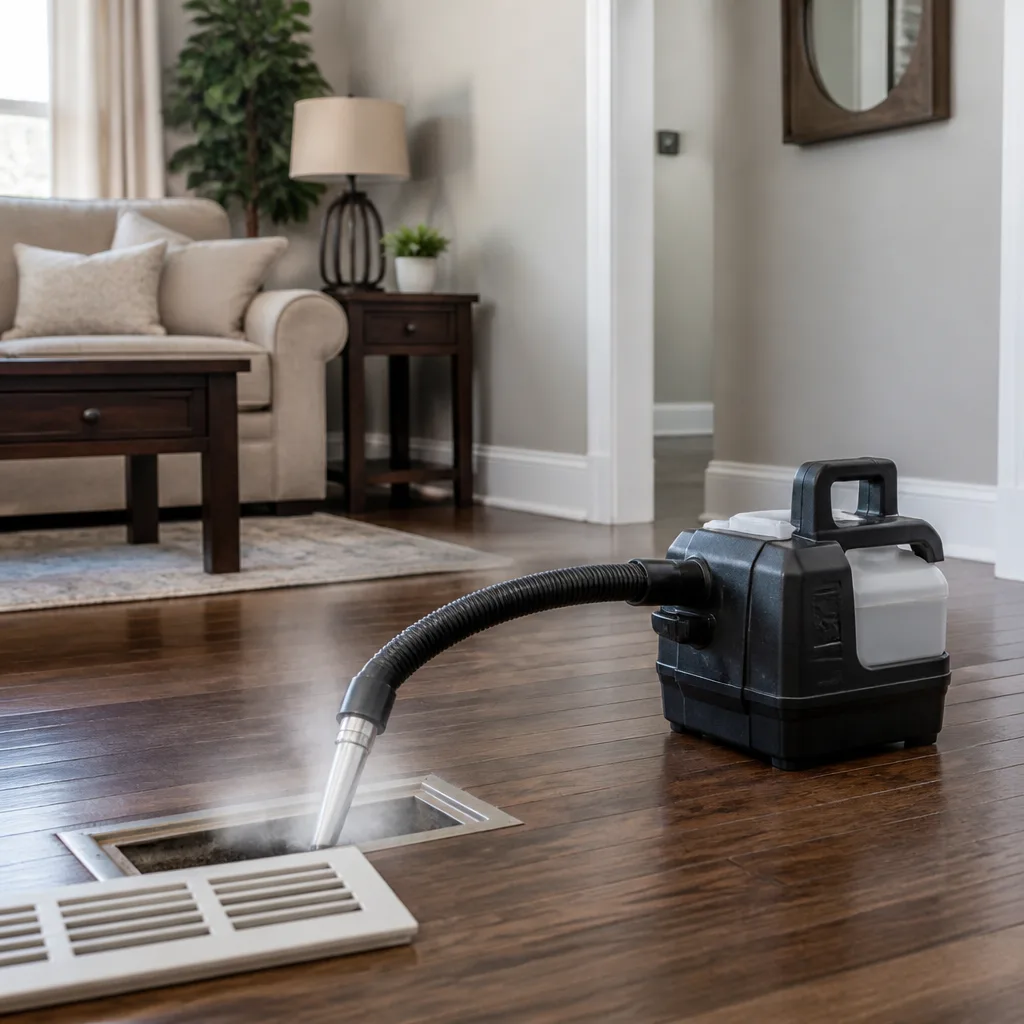 Sanitizing & deodorizing
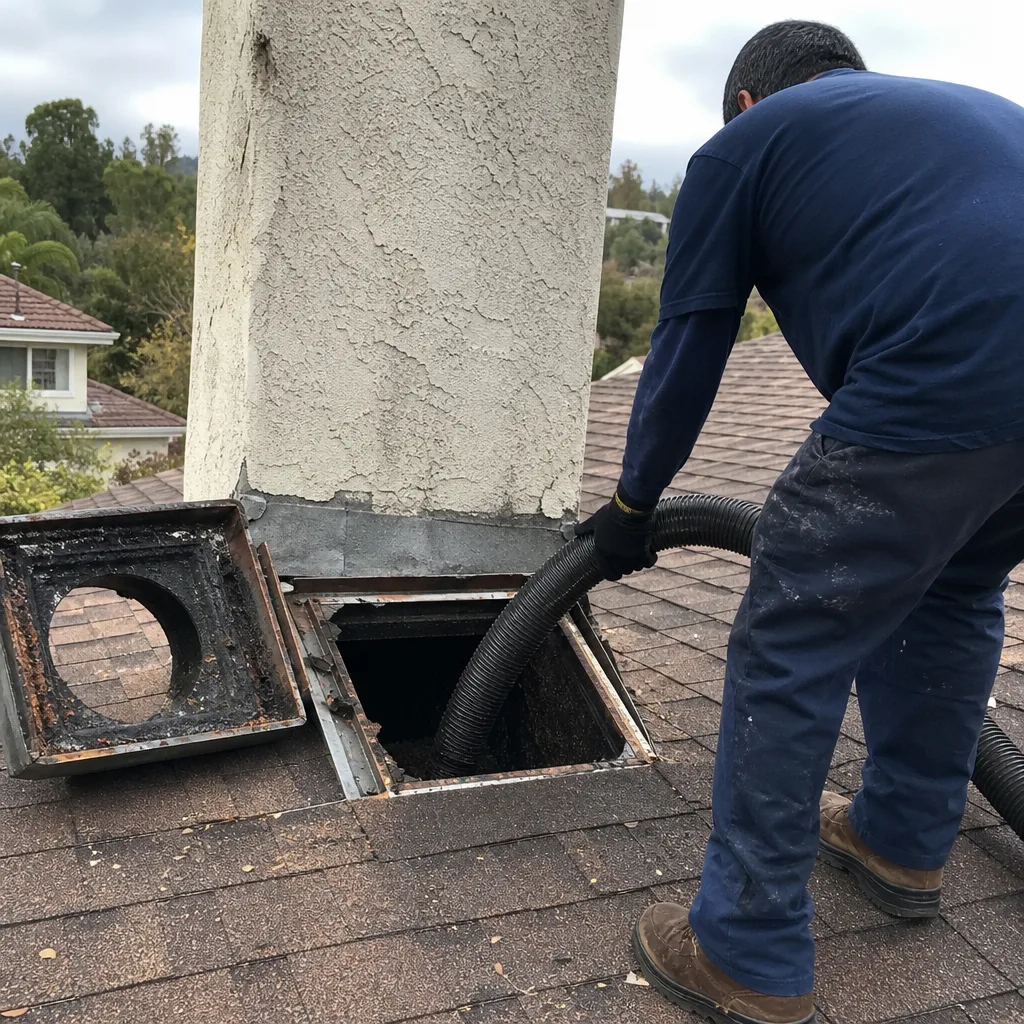
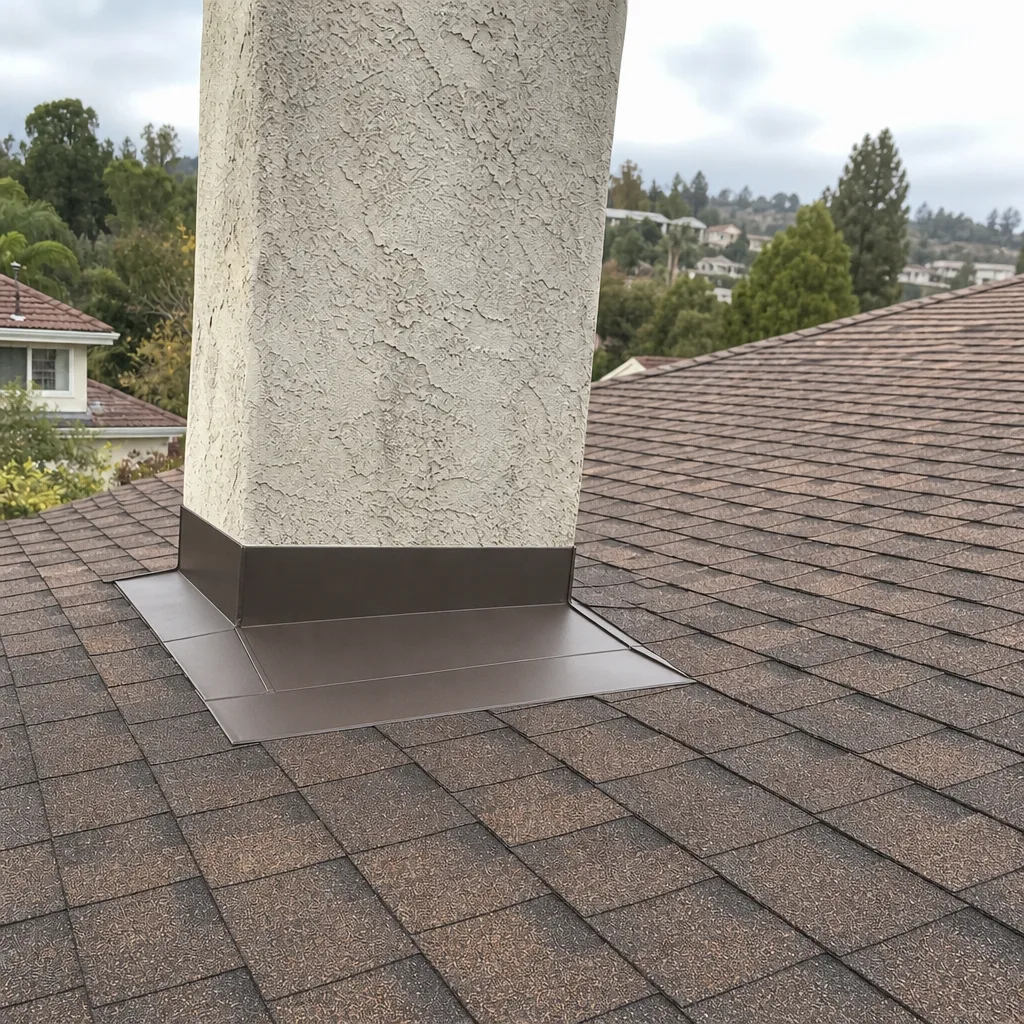
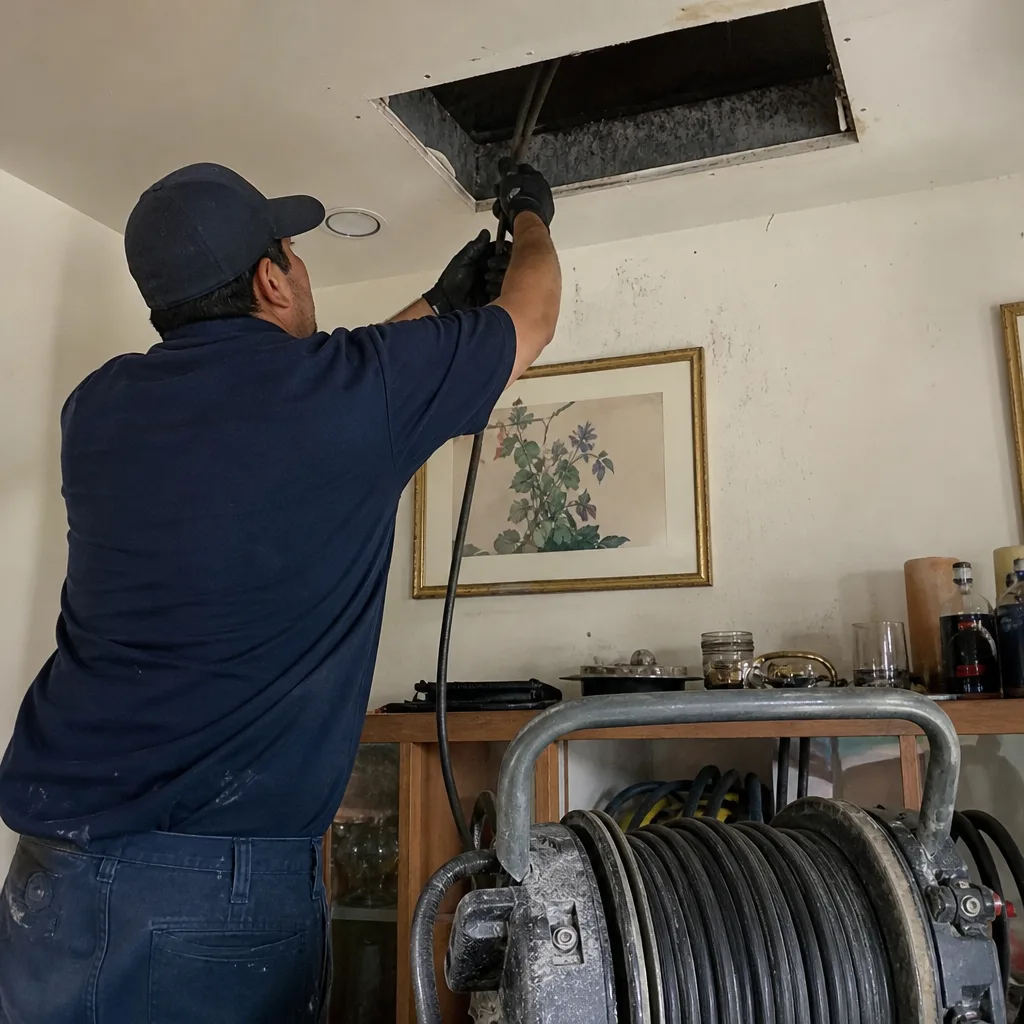
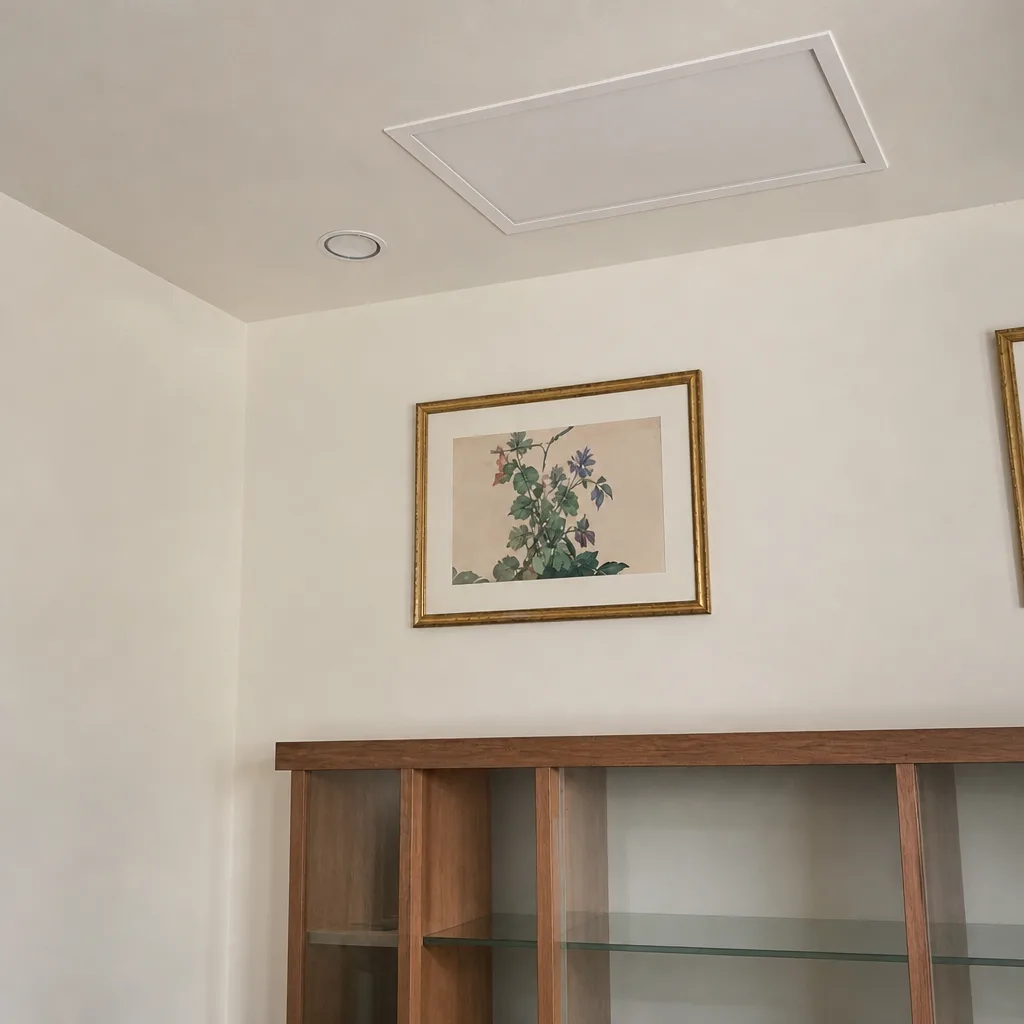
Whole-system duct and dryer vent check with before-and-after photos - you see exactly what came out of your vents
That "$99 whole-house special" is a bait ad - the real number appears once they are in your hallway, or the "clean" is a shop-vac at the register. We photograph the inside of your ducts before and after instead.
Air Duct Cleaning Warning Signs: A Porter Ranch Homeowner’s Reference Guide
Visible dust on supply registers is one of the least reliable indicators that your ducts need cleaning. More often than not, it means your filter is doing its job, catching particulate before it reaches the vent face. The signs that actually matter are subtler and rooted in how air moves through your home, not how the vent covers look. In this guide we’ll walk through the warning signs that point to real duct problems, explain the mechanism behind each one, and show you how to sort the ones you can schedule when convenient from the ones you should address this week. Porter Ranch homes have their own patterns worth knowing.
Quick Answer
The warning signs that genuinely point to dirty or damaged ducts are: inconsistent room temperatures despite a working thermostat, a filter that loads to gray in under three weeks, a burning smell at furnace startup that persists past twenty minutes, fine gray particulate collecting near return vents after wildfire smoke events, and hissing or whistling sounds near flex connections. Dusty registers alone rarely mean much. The right response depends on which sign you’re seeing.
Styles & brands we work with
- Whole-home duct cleaning
- Dryer vent cleaning
- Camera inspection
- Sanitizing & deodorizing
Table of Contents
- Why Airflow Imbalance Is the Most Reliable Sign
- What That Smell at Furnace Startup Really Tells You
- Filter Loading Rate as Diagnostic Data
- Wildfire Smoke Infiltration Signs in Porter Ranch
- When the Signs Point Past Cleaning to Duct Repair
- A Room-by-Room Walk-Through Checklist
- Signs You Can Schedule vs. Signs to Address This Week
- Common Mistakes to Avoid
- Frequently Asked Questions
Why Airflow Imbalance Is the Most Reliable Sign
If one bedroom runs three to five degrees warmer than the rest of the house while the thermostat reads the temperature you set, the duct system is telling you something the thermostat can’t. Airflow imbalance is the warning sign we trust most, and it’s rooted in simple physics: air takes the path of least resistance. When debris accumulates at a particular junction, a run of flex duct sags, or a section collapses under attic insulation, the air that should reach that room gets redirected to closer, freer runs. The thermostat reads a comfortable house; the far bedroom reads something else.
This is why we ask homeowners to describe which rooms run hot or cold before we ever put a camera in a duct. The pattern of the imbalance tells us where to look. A single cold room in a Porter Ranch two-story home often points to a crushed flex run in the attic where work was done on the roof or where insulation was added. Two rooms on the same trunk that both run warm point to a junction loading up with debris. A whole floor that performs poorly usually means a damper stuck or a trunk restriction.
What makes airflow imbalance so useful is that it’s hard to fake. A dusty register can be cleaned in ten seconds and disappear. A cold bedroom doesn’t lie. If you’ve been adjusting vents and closing doors to compensate, that’s the system’s way of saying the balance is off.
How to Test the Imbalance Yourself
- Place a thermometer in two or three rooms on the same system, away from sunlight and exterior walls.
- Run the system for a full cycle with all interior doors open and vents in the same position.
- Record the temperatures after twenty minutes of runtime.
- Note which rooms are consistently off by more than three degrees, and in which direction.
- Write down whether the pattern changes when the system switches from heating to cooling.
If the pattern is consistent, that’s a duct-side story worth investigating. When you’re ready to have it looked at, air duct cleaning is the first step, but a proper inspection will also check for leakage and crushed sections that a cleaning alone won’t fix.
What That Smell at Furnace Startup Really Tells You
A burning or dusty smell the first time the furnace runs after months of disuse is normal and expected. It’s dust burning off the heat exchanger. It should clear within about twenty minutes. When that smell persists past the twenty-minute mark, or when it returns the next time the furnace kicks on, the diagnosis changes entirely: something is sitting on a hot surface, in the blower compartment, or in the return system feeding the furnace. That’s a different kind of problem.
Here’s the distinction in practical terms:
- Clears in twenty minutes: normal burn-off. No action needed beyond confirming your filter is clean.
- Persists past twenty minutes: debris on or near the heat exchanger, or a blower compartment loading with dust. Needs attention.
- Repeats every furnace cycle: the source is ongoing and untouched, usually a dirty return or a blower wheel loading up.
- Smells like something electrical or metallic: stop running the system and call for service. This is outside the scope of duct cleaning.
In Porter Ranch, the furnace sits idle for most of the year. When it finally cycles in cooler weather, any dust that’s accumulated in the return-side of the system during those months has a chance to bake onto warm surfaces. Techs with up to 14 years of experience tell us this is one of the most common calls they get in the fall. The fix is rarely a repair. It’s usually a full-system clean, using contact cleaning systems like the Rotobrush line that scrub duct walls rather than blow dust around.
For homes with a heat pump or a system that runs year-round, this warning sign is far less common. If you’re seeing repeat burning smells and your system is running continuously, the source is almost always contamination in the return system or at the blower.
Filter Loading Rate as Diagnostic Data
Filter loading rate is the most underrated warning sign in duct diagnostics. A clean filter takes about three months to load to gray in a well-running system. If yours turns gray in under three weeks, you have a duct-side particulate problem that the filter is quietly solving for you. The filter isn’t misfiring; it’s doing overtime on a job your ducts should have handled.
Here’s how to read the signs:
- Filter loads in under three weeks: high duct-side particulate, likely a return that’s pulling from an unconditioned or dusty space, or heavy contamination in the return trunks.
- Filter loads in two to three months: normal, the filter is doing its intended job.
- Filter loads unevenly: a sign of poor airflow distribution, a bypass around the filter frame, or a crushed return.
- Filter stays clean for months: could mean there’s very little particulate reaching it, or it could mean the return isn’t pulling. Worth checking with a tissue test.
We’ve seen this pattern often enough to treat it as a leading indicator. When a homeowner tells us they’re changing filters monthly, we know before we arrive that we’re going to find heavy contamination on the return side. That’s the reason our equipment list matters: Abatement Technologies air-filtration is in our toolkit specifically because it can handle the elevated particulate load those homes throw off during the work, without redepositing it elsewhere.
Once the ducts are cleaned and the source addressed, filter life typically returns to the normal three-month window. If it doesn’t, the next step is looking for leakage or a return path pulling from an unintended space (the attic, the garage ceiling, a crawl area).
Wildfire Smoke Infiltration Signs in Porter Ranch
Porter Ranch sits in a part of the San Fernando Valley where wildfire smoke events have become a seasonal reality, not a one-time event. The smoke patterns that matter for your ducts are different from the ones that matter for your air quality at the moment. Smoke that enters through open doors, windows, or through the HVAC system during an event gets pulled through returns and can leave residue inside the duct network. That residue doesn’t leave when the air clears.
Signs that smoke has infiltrated your duct system:
- Fine gray particulate on horizontal surfaces near return vents: check the top of a door frame in the hallway where your return is. If you wipe it with a white cloth and it comes away gray, and the nearest supply register is not above it, the return side is likely holding smoke residue.
- A persistent woody or acrid odor: noticeable at first in the room closest to the return, and it doesn’t resolve after several days of ventilation and open windows on clean-air days.
- Filter darkening faster than usual: a filter that loads noticeably faster than normal immediately after a smoke event is catching residue your ducts are still shedding.
- Headaches or eye irritation returning in the same room each day: a pattern worth reporting to a professional, though this is a health question best raised with the person providing your care.
The confusing part of smoke residue is that it accumulates unevenly. Ducts that saw the most return-side flow during the event will hold the most. So one room can smell noticeably while the rest of the house seems fine. A proper cleaning with negative-pressure equipment and contact cleaning works the whole system rather than the parts that smell most.
If you have allergies or young children, smoke residue in the ducts becomes a more urgent matter than contamination from ordinary dust. Both are addressed with the same cleaning work; the smoke version usually gets scheduled sooner. Our Air Duct Cleaning Porter Ranch team uses negative-pressure containment to keep that residue from ending up in the living space during the process.
When the Signs Point Past Cleaning to Duct Repair
Not every warning sign points to cleaning. Some point to leaks, crushed sections, or disconnected joints that a cleaning alone won’t address. Knowing which signs are which saves you money and time.
Signs of duct leakage rather than contamination:
- Uneven register temperatures across adjacent rooms: if two rooms next to each other, both fed by the same trunk, run at noticeably different temperatures, you likely have a leak or a restriction between them.
- Hissing or whistling sounds near flex connections: pressurized air escaping through a gap makes a sound you can hear standing next to the grille. This is a leak, not a cleaning issue.
- Energy bills climbing without a system change: a leak that’s pulling conditioned air into the attic or dumping it into an unconditioned space shows up on the bill before it shows up in the room.
- Visible dust trails on attic insulation or joists: dust settling in a line is where escaping air has been landing.
- Air blowing from unexpected places: if a return grille sometimes blows air out, a section has come loose or a baffle has flipped.
This is the reason we treat duct repair and sealing as part of the same service relationship, not a second contractor you have to find. A cleaning-only shop that finds a crushed flex run has nothing to offer but a referral. When the inspection turns up a leak or a disconnected joint, we can address it in the same visit and confirm the airflow is corrected.
For Porter Ranch homes, the most common repair we see is a flex duct that’s been crushed or kinked in the attic where roof work, insulation additions, or solar installation has disturbed the runs. Those don’t always look bad from the outside – a flex run can be flattened by a footstep and still look fine at the eye level. The room running cold is the sign that matters.
A Room-by-Room Walk-Through Checklist
Here’s a practical sequence for reading your own house. Each of these steps takes a minute or two and gives you real data, not impressions.
- Start at the thermostat. Confirm it’s working, set to a reasonable temperature, and has a clean filter behind it if it’s a return-side thermostat. A failing thermostat mimics duct problems.
- Walk every room with the back of your hand near a supply register. Note rooms where airflow feels noticeably weaker. Consistency in the strength of the airflow matters more than the strength itself.
- Hold a tissue to each return grille. It should pull toward the grille distinctly. A return that doesn’t pull is a return that isn’t doing its job.
- Check the filter. Write the date on the edge and check it in three weeks. Compare how much it loaded to that window.
- Look at the horizontal surfaces near each return. Top of door frames, shelves, and window sills. Note any gray film.
- Listen at each register for ten seconds. Whistling, hissing, or rattle points to a leak or restriction.
- Note the smells. Dusty and dry is one thing. Woody, acrid, or metallic is another. Write down what you notice and where.
- Compare your utility bills to the same period last year. A jump without a rate change or a temperature change is worth investigating.
None of this is diagnostic on its own. Together, these observations tell you which category of problem you’re dealing with, and whether the answer is cleaning, repair, or both.
Signs You Can Schedule vs. Signs to Address This Week
Most duct cleaning is scheduled work. It’s not an emergency, and treating it like one is how homeowners end up paying for a service they didn’t need yet. But some signs mean you shouldn’t put the call off. Here’s how we sort them.
Schedule when convenient:
- A dusty register that wipes clean and comes back slowly.
- Allergy symptoms that track with seasonal changes and improve with filtration.
- A filter that loads on the normal three-month cadence.
- A home that hasn’t had a full duct cleaning in five or more years, with no acute symptoms.
Address this week:
- A burning smell at furnace startup that persists past twenty minutes, or that returns each cycle.
- A filter loading in under three weeks.
- Visible gray particulate near returns immediately after a smoke event.
- Hissing or whistling near a flex connection.
- A room that’s gone from “a little cold” to “uncomfortable” over a short window.
- Any water event, renovation, or pest activity that’s touched the duct system.
The “this week” list exists because small duct problems in Porter Ranch get bigger when the system keeps running them. A leak that’s dumping conditioned air into the attic costs money every hour it runs. A smoke residue problem the homeowner tolerates through the season often becomes a much larger cleaning job by the following year.
Common Mistakes to Avoid
- Judging the ducts by the register covers. Dusty registers are the least diagnostic sign in the book. They often mean your filter is working. Focus on temperature balance, filter rate, and smell instead.
- Chasing a coupon price. A whole-house clean for a price that doesn’t cover the labor of a proper job isn’t a discount; it’s a different service. In our experience, the “$49 whole-house” offers turn into a much larger invoice once the technician is at the door. Ask what’s actually included before anyone shows up.
- Confusing the annual “burn-off” smell with a real problem. Twenty minutes and it’s gone – that’s normal. Past twenty minutes or on repeat, that’s the moment to act.
- Skipping repair after cleaning. If the inspection finds a leaking flex run or a crushed section, cleaning it without fixing it means the same dust comes right back. Duct cleaning, repair, and sealing belong together.
- Ignoring the filter loading rate. A filter that loads in three weeks is telling you something about the ducts that no visual inspection will. Write the date on the filter edge so you actually have data.
- Assuming smoke smell means replacement. Smoke residue is cleanable. Full duct replacement is a much larger job, and usually unnecessary when the ducts are intact.
- Not asking what equipment the crew brings. Portable consumer vacuums don’t create the negative pressure that keeps dust from redepositing into the living space. Ask specifically about the equipment before you book.
See the difference
 Before
 After
 Before
 After
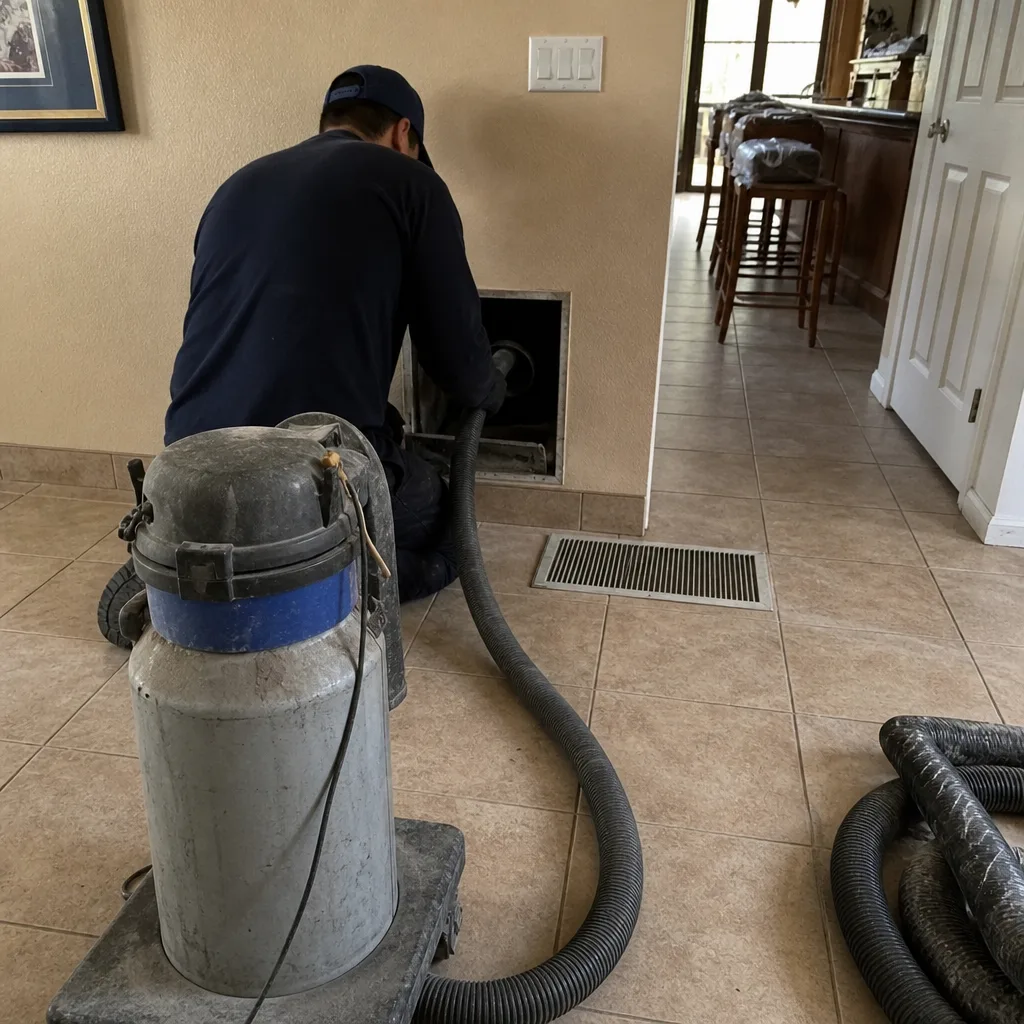 Before
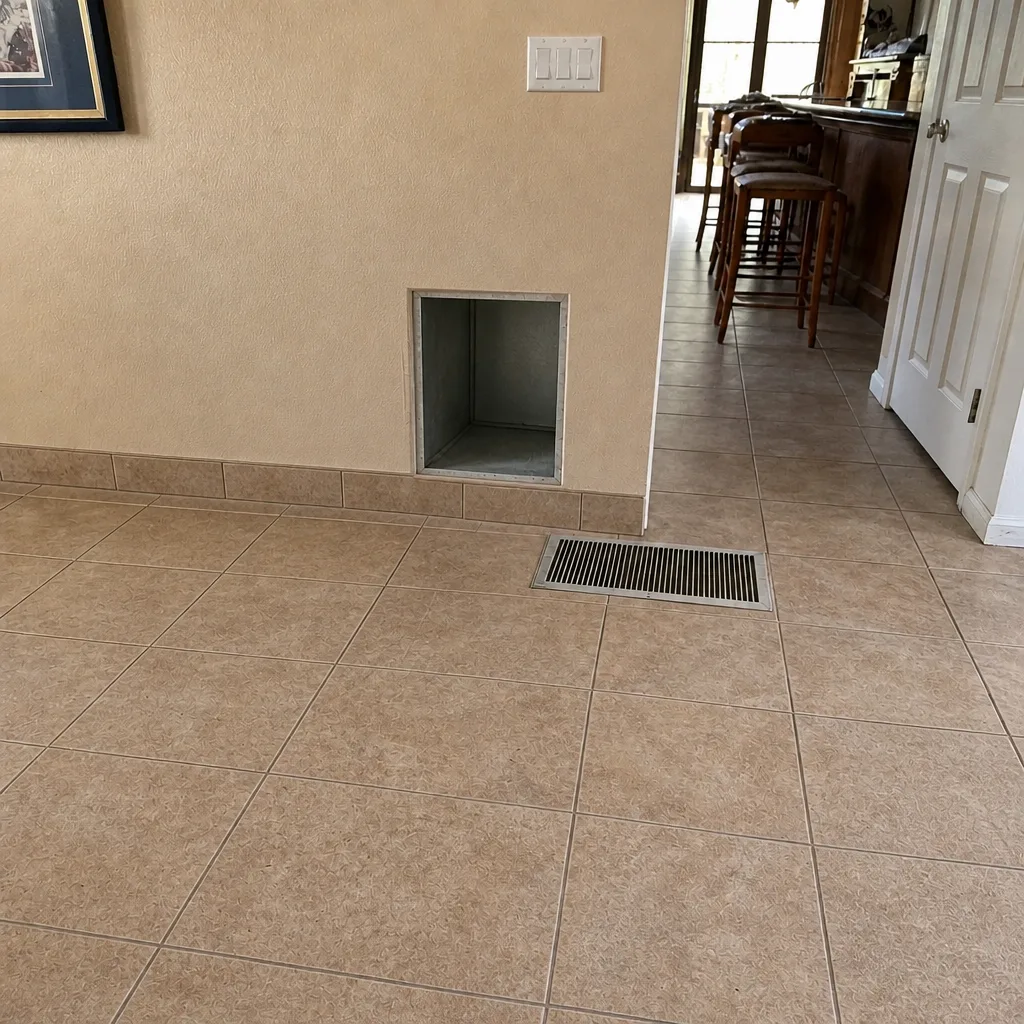 After
When to Call a Professional
Call when two or more signs on this list overlap, when the “this week” signs come up, or when a renovation, water event, pest issue, or smoke event has touched the duct system. We also suggest a call when you’re not sure – a professional inspection answers the question faster than you can from the living room. If dust escapes into the room while you’re trying to check the inside of a duct yourself, you’ve learned you need a professional; if you find signs of electrical burning or a metallic smell near the furnace, stop running the system and call. Air Duct Cleaning Porter Ranch offers free estimates in Porter Ranch. Call (833) 570-5137. We answer 24/7. Fast dispatch from 7am to 7pm, Sunday through Friday.
Our technicians have up to 14 years of experience reading duct systems and separating cleaning from repair from replacement. When we quote a job, the estimate is in writing and the price is set per job, not per vent – so the number you agree to is the number you pay.
Frequently Asked Questions
For most Porter Ranch homes, every three to five years is a reasonable rhythm, and many homes can go longer. The shorter intervals apply when you’ve had a smoke event, a renovation, a water issue, or when a filter is loading faster than usual. The right answer depends on the warning signs in your home, not on a fixed schedule. If you’re not sure which applies, a free estimate is faster than guessing – call (833) 570-5137.
Sometimes, but less often than people assume. A short puff of dust at startup is normal. A steady stream of dust every time the system runs points to contamination in the supply side or a filter that’s bypassing its frame. The more reliable sign is the filter loading rate. If your filter hits gray in three weeks, the ducts are producing more particulate than they should be.
No, not safely or effectively. A shop vacuum can’t generate the negative pressure needed to contain dust, and pushing a hose into a duct often dislodges debris that ends up in the living space. Professional contact cleaning scrubs the duct wall so particulate is removed rather than loosened. Homeowners with allergies or young children should be particularly cautious about DIY attempts.
Smoke residue has settled into the return side of your duct system and is still being pulled through the house each time the system runs. It doesn’t resolve on its own because ordinary ventilation doesn’t reach the duct walls. A cleaning with negative-pressure containment removes the residue rather than redistributing it. If the smell has been lingering for weeks, that’s a good sign it’s time to have the system checked.
Ask for before-and-after photos of your ducts, and watch the run if you can. A cleaning tech using an inspection camera should be able to show you what was found and what it looks like after. If a company can’t or won’t document the work, that tells you something. Our crew photographs the ducts before and after as a standard part of the job.
Because they’re often a different service. A low headline price frequently covers a quick pass over the visible registers and a shop vacuum on the main trunk, not a full-system contact clean. Once the technician is in the home, the price tends to climb into the range that a full-system clean should have cost from the start. Ask what your quote includes before you book: which surfaces, which equipment, and whether repair is part of the visit. Call (833) 570-5137 for an honest whole-system estimate.
The Bottom Line
The warning signs worth acting on aren’t the ones that show up on the outside of your vents. Airflow imbalance, filter loading rate, persistent smells, smoke residue near returns, and hissing at flex connections all point to real problems you can diagnose and fix. Some mean cleaning. Some mean repair. A few mean both, and those are the ones worth calling on soon. In Porter Ranch, the smoke-season pattern is worth adding to your annual checklist. Air you can verify, not just claim, starts with knowing what you’re looking at.
Call (833) 570-5137 for a free estimate. We answer 24/7. Fast dispatch from 7am to 7pm, Sunday through Friday.
Written by the team at Air Duct Cleaning Porter Ranch.