
Last updated November 22, 2026
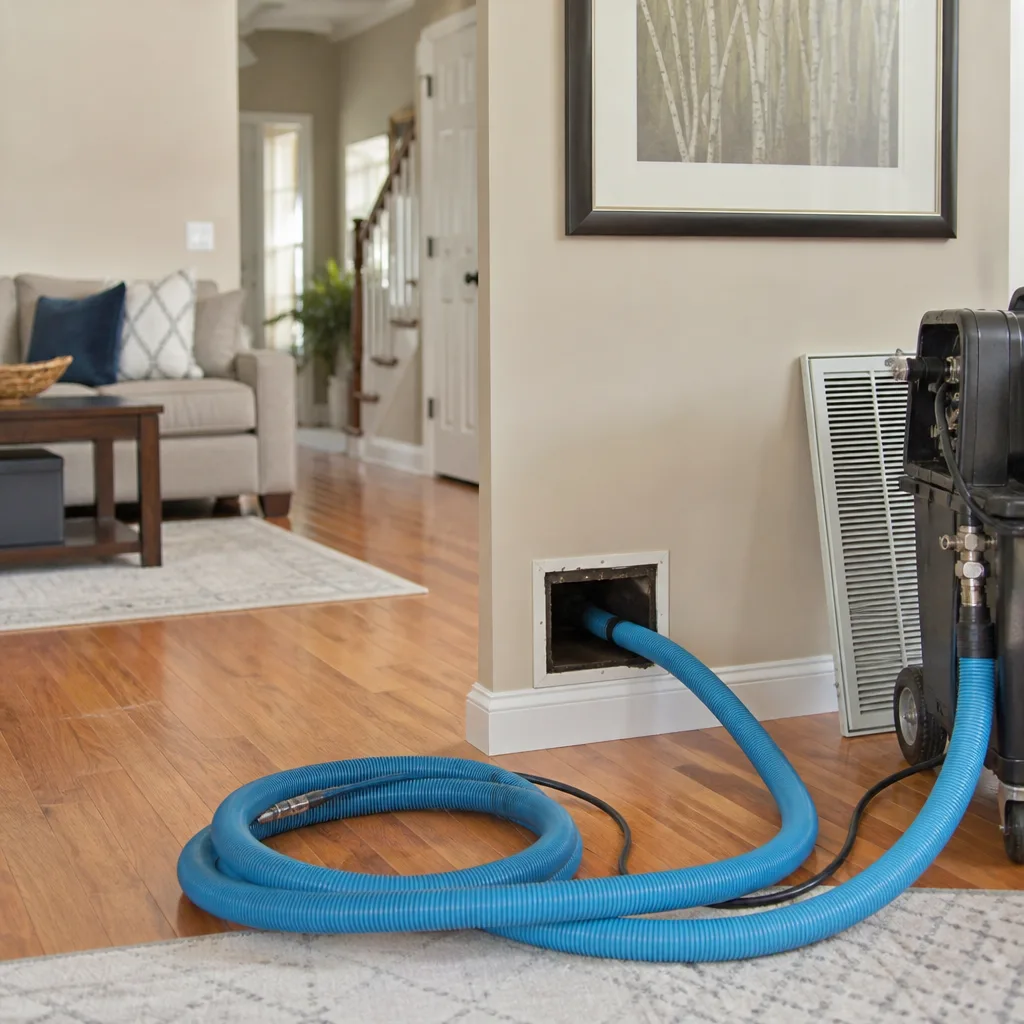 Whole-home duct cleaning
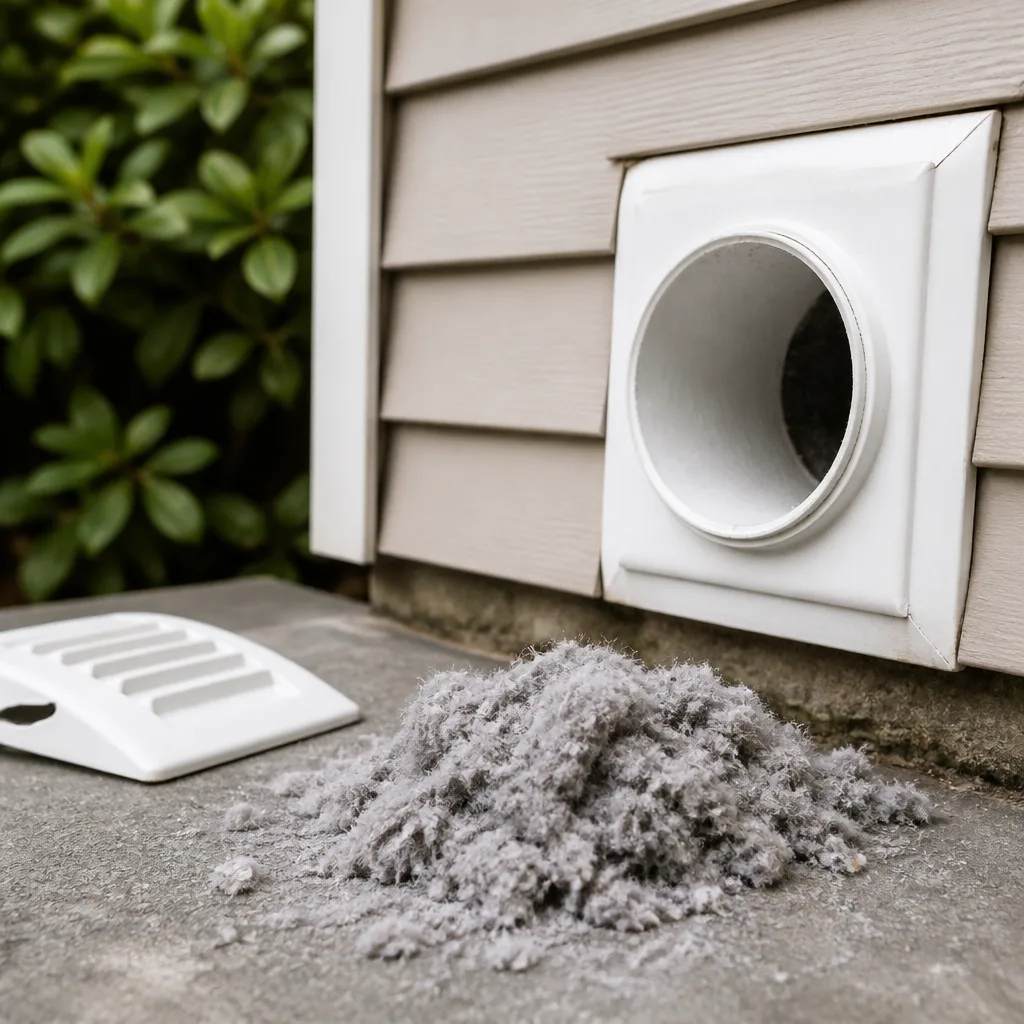 Dryer vent cleaning
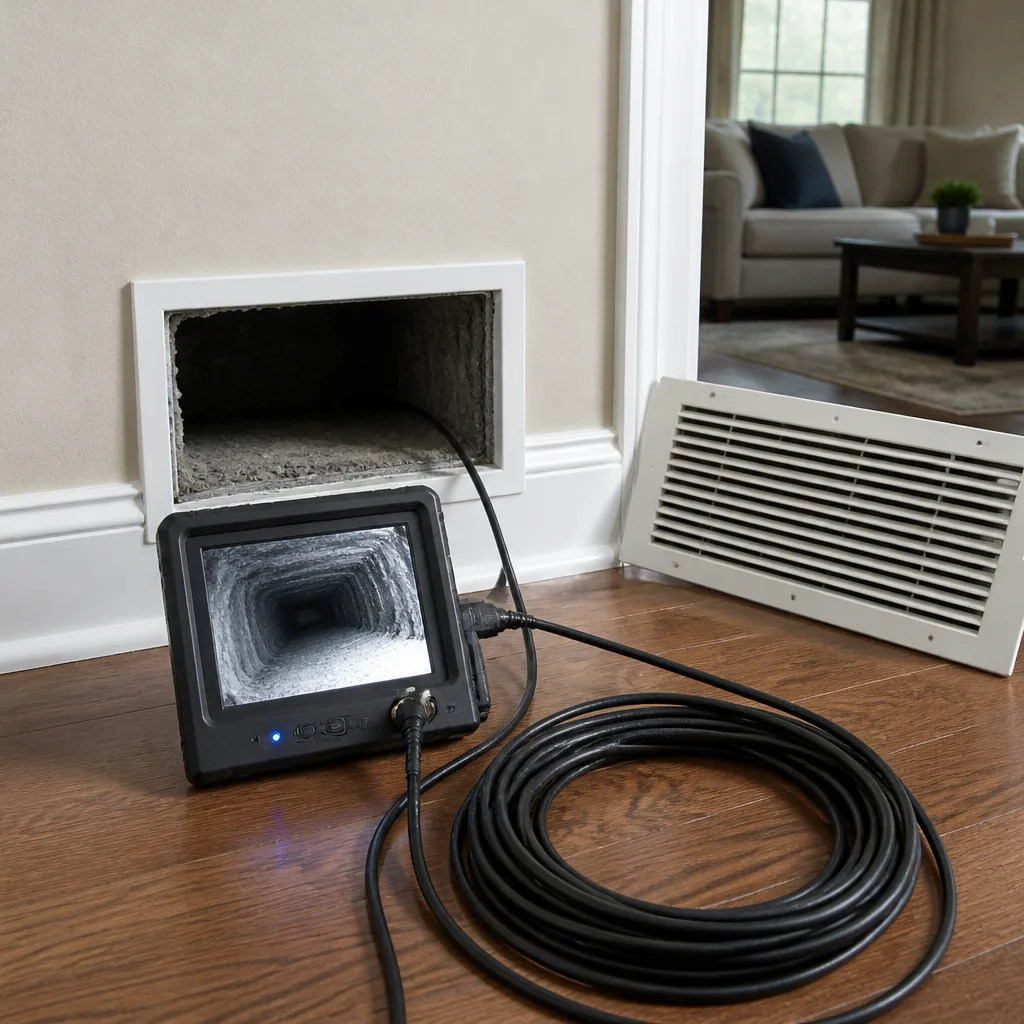 Camera inspection
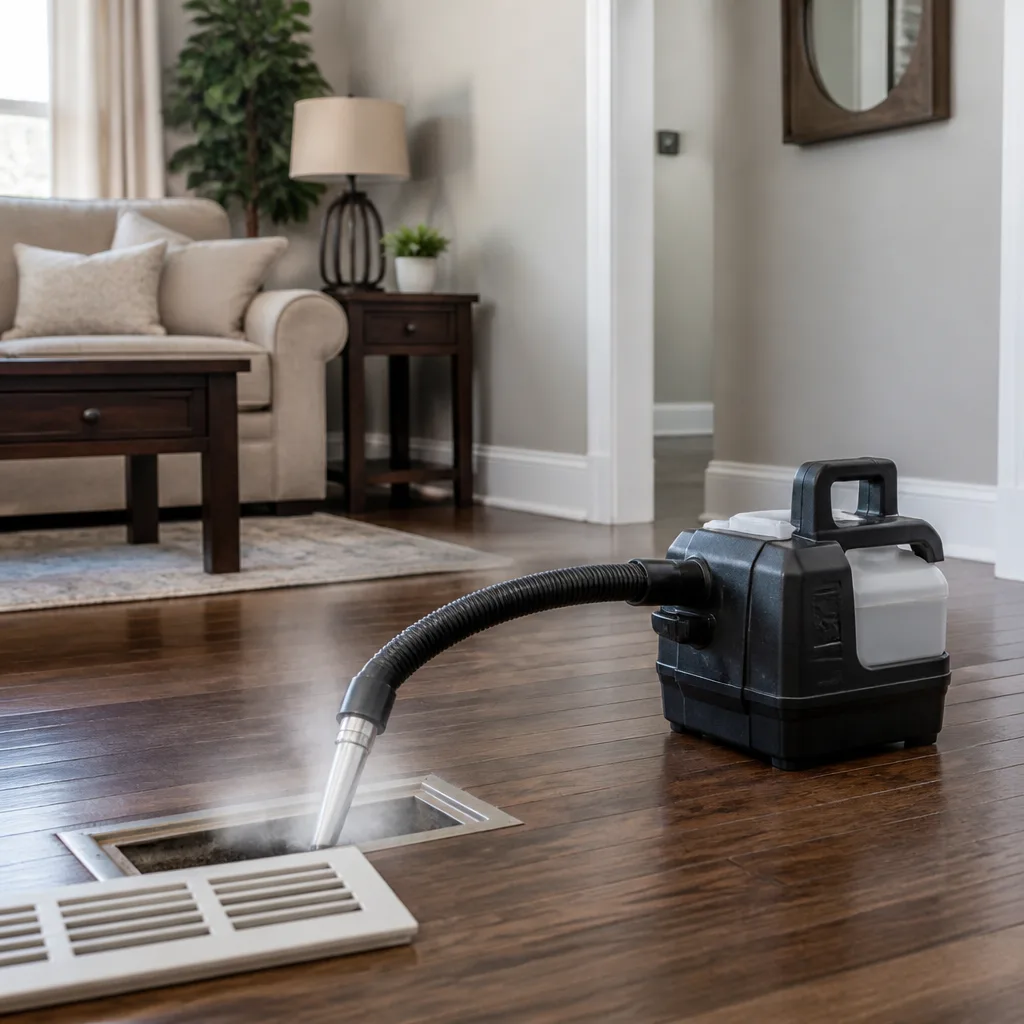 Sanitizing & deodorizing
Whole-system duct and dryer vent check with before-and-after photos - you see exactly what came out of your vents
That "$99 whole-house special" is a bait ad - the real number appears once they are in your hallway, or the "clean" is a shop-vac at the register. We photograph the inside of your ducts before and after instead.
Air Duct Cleaning Emergency Preparedness Guide for Porter Ranch Homes
A strange thing happened during the Aliso Canyon gas leak, and most Porter Ranch homeowners never heard the full lesson. Families were told to open windows and ventilate. That’s ordinary advice for ordinary air. But in a home with a duct system, open windows pull contaminated outdoor air straight into the returns, and the blower in the hallway moves it into every bedroom within minutes. The house worked against its own occupants. Ventilation that helps in one emergency can be exactly wrong in another, and the difference comes down to how your air system is set up and how you run it when the outside air turns bad.
Porter Ranch sits in one of Southern California’s higher wildfire-risk corridors, and the northwest San Fernando Valley has a documented history with airborne emergencies. This guide covers what to do with your ducts before, during, and after the air-quality events most likely here: wildfire smoke, ash fall driven by Santa Ana winds, renovation dust, and the rare industrial or gas incident. You’ll get specific preparation steps, a first-48-hours protocol for after an event, and the emergency kit materials worth stocking now.
Quick Answer
Emergency duct preparation for a Porter Ranch home means three things: keep clean MERV-13 filters on hand and know your system’s filter size, learn to run your HVAC in recirculation mode during smoke events so your supply air stays inside, and arrange a professional duct inspection with HEPA-rated equipment after any significant smoke or ash event before you resume normal HVAC operation. Cleaning alone handles ordinary dust; wildfire ash and gas-blowout particulate call for containment-grade filtration, sometimes more than one cleaning pass, and sanitizing only when contamination is actually present.
Styles & brands we work with
- Whole-home duct cleaning
- Dryer vent cleaning
- Camera inspection
- Sanitizing & deodorizing
Table of Contents
- Why Porter Ranch Homes Need a Duct Emergency Plan
- Pre-Wildfire Season Preparation for Your HVAC System
- The First 48 Hours After a Smoke or Ash Event
- Post-Event Duct Cleaning: What the Correct Protocol Looks Like
- The Aliso Canyon Precedent and What It Taught Us About Ducts
- Building an Emergency HVAC Kit for Your Porter Ranch Home
- Renovation Dust: The Emergency Nobody Plans For
- Why Cleaning Alone Isn’t Enough: Sealing, Filtration, and Sanitizing
Why Porter Ranch Homes Need a Duct Emergency Plan
A duct system is a closed loop that only works if the loop stays closed. Most Porter Ranch homes were built for the valley’s mild climate, which means the furnace runs a modest number of hours and the air conditioner does most of the heavy lifting between roughly May and October. That pattern matters in an emergency. When outside air turns hazardous, the house is already in cooling season, already running the blower, and already pulling return air through the walls. Whatever is outside gets inside faster in July than in January.
The northwest valley adds two geographic factors. Santa Ana winds funnel through the passes north and west of Porter Ranch, and those winds carry wildfire smoke and ash much farther than residents expect, often well ahead of any visible fire. Meanwhile, the porter ranch basin tends to hold particulate on inversion days when warm air sits above cool morning air. Smoke that rises over the ridge while the wind is blowing can settle in low pockets for hours after the wind quiets.
The second factor is housing stock. Porter Ranch ranges from older ranch homes near the community’s established streets to newer developments with tight, well-sealed construction. Those tighter homes hold indoor air more effectively, which is good on an ordinary day and a problem during a smoke event if the return system is leaking outside air through the attic or a garage wall. Small return leaks are invisible and common.
This guide is written from Porter Ranch, by a business that works in these houses, and it addresses something most homeowners have never been given: a specific protocol for duct systems before, during, and after the air-quality emergencies this area actually faces.
Pre-Wildfire Season Preparation for Your HVAC System
The time to prepare a duct system is before a fire, not after. Southern California wildfire season runs roughly from late summer through late autumn, with Santa Ana winds typically peaking between October and December. Complete these steps in the spring or early summer so nothing is left to do when the air turns.
- Upgrade to MERV-13 filters and size them correctly. MERV-13 is the practical sweet spot for residential systems dealing with wildfire smoke: it catches fine smoke particles without choking airflow the way higher ratings can. Measure the filter slot and write the dimensions on a reminder near the air handler. Keep a minimum of two spare filters wrapped and sealed.
- Confirm your system can run on recirculation. During an active smoke event, you want the blower circulating filtered indoor air and the outdoor air intake, if you have one, closed. Many central systems do this by default. Homes with a mechanical fresh-air intake or a ventilating dehumidifier need to know how to shut that intake off. Look this up now, in daylight, with the manual.
- Inspect and seal obvious return-side leaks. Walk the accessible ductwork in the attic, garage, or crawlspace. Look for gaps at joints, disconnected flex runs, and hatch covers that don’t sit tight. A return leak between the attic and the living space pulls attic air with it, and attic air during a smoke event is the worst air in the house.
- Schedule a professional duct inspection. Before season, a full inspection of the system is a straightforward, unhurried job with time to actually fix what turns up. air duct cleaning paired with a visual inspection of the whole run gives you a starting baseline.
- Set up an indoor air quality monitor. More on specs below, but the point is this: you can’t manage what you can’t measure. During an event, a monitor tells you whether you’re gaining or losing, and that changes how you run the HVAC.
None of this takes a weekend. It takes an afternoon of awareness and, if a leak or a dirty system is found, one scheduled service. The difference between a house prepared and unprepared in October is usually a filter, a piece of foil tape, and knowing where the intake lever is.
The First 48 Hours After a Smoke or Ash Event
When the smoke clears and the sky looks blue, the instinct is to throw the windows open and turn the air conditioning back on. Both of those can be wrong. Ash that has settled on roofs, patios, and in outside air intakes doesn’t disappear when the fire dies down. Wind, walking, sweeping, and ordinary air movement lift it back into the air for hours or days, and a running blower will pull it into your returns. This is one of the most common patterns our technicians see after valley smoke events.
Here’s the protocol we recommend, in order:
- Keep the house closed for 24 to 48 hours after visible smoke clears. Ash resuspension is real. Wait until the air outside has actually settled, not just cleared.
- Change the filter before restarting the system. A filter that caught smoke load is spent. Running the blower against a loaded filter gives reduced airflow and pushes fine particulate through gaps.
- Run the blower on recirculation for a cycle and observe. If the indoor air quality monitor climbs instead of falling, you’re moving ash out of the ducts and into the room. Stop and call for an inspection.
- Watch for ash smell or a lingering smoky odor when the system starts. A faint campfire smell in the supply air suggests ash or residue in the system. It shouldn’t smell.
- Arrange a professional inspection before resuming normal operation. If the event was significant, an inspection with HEPA-rated equipment confirms what’s actually in the ductwork instead of guessing.
For the full cleaning process and what professional service involves, our Air Duct Cleaning Porter Ranch page covers the equipment and the sequence. The first 48 hours are about not making things worse; the inspection is about getting an honest read on the system before you trust it again with the whole house’s air.
Post-Event Duct Cleaning: What the Correct Protocol Looks Like
Wildfire ash is not ordinary house dust. It’s a mix of fine particulate, charred organic matter, and whatever the fire consumed, and it’s often alkaline enough to leave residue on metal and other surfaces. It’s also light enough to stay airborne. Standard duct cleaning rigs with a shop-vac-grade collector and a spinning brush will loosen ash and fling some of it back into the room, which is exactly what you don’t want.
The correct protocol after a wildfire or serious smoke event differs from routine maintenance in three ways:
- HEPA-rated vacuum equipment and negative-pressure containment. Air outside the ducts should be under negative pressure so anything loosened flows toward the collector, not into the room. Our toolkit includes Abatement Technologies air-filtration equipment for exactly this reason: it’s built for remediation-level containment, not routine light cleaning.
- Contact cleaning of every surface, not a pass-through. Ash clings. Rotobrush contact-cleaning systems and Nikro equipment drive a brush against the full interior of each run. One pass is often not enough after a heavy event, and we’ll tell you honestly when a second pass is the right call.
- Sanitizing as a separate decision from cleaning. Cleaning removes particulate. Sanitizing addresses microbial growth, odor-causing residue, or a documented contamination concern. Ash alone doesn’t automatically require sanitizing; mold or persistent odor after cleaning does. If you want to talk through which applies to your home, our air duct cleaning service page explains the difference. The point is that a good contractor will tell you when cleaning alone is enough, not upsell a treatment you don’t need.
The same logic applies to the HVAC equipment itself. Ash travels through the coil and blower housing as surely as it travels through the ducts, and dirty coils cut efficiency and hold odor. HVAC cleaning after a major event is part of the complete protocol, not an optional extra.
The Aliso Canyon Precedent and What It Taught Us About Ducts
Porter Ranch’s experience with the Aliso Canyon gas leak is the most important local reference point for this guide, and also the least discussed from a duct-system perspective. What happened is well documented: a sustained gas release, a large-scale relocation of residents, and a prolonged remediation effort that ran for months. What matters here is what remediation activity in affected homes revealed about how particulate behaves in residential ducts.
When a large volume of contaminated air moves through a neighborhood for weeks, it doesn’t pass through a house without leaving something behind. Gas-phase compounds move directly through filters. Fine particulate settles into the low-velocity corners of duct runs, into the blower housing, and into the folds of flex duct. Standard cleaning assumptions (“one pass, top of the run, done”) tend to miss these because home systems weren’t designed for this kind of load. The lesson, from a duct perspective, is that after an extended air-quality event, the inspection should be individual and evidence-based: sample, clean, verify, and clean again where the readings say to.
What our technicians have taken from working in Porter Ranch homes since is a willingness to do multiple cleaning passes when the evidence calls for it, and to use remediation-tier equipment rather than the lightest rig that would technically work. That’s also why we stock Aprilaire and Honeywell indoor-air-quality products: after an event like Aliso Canyon, cleaning alone returns the ducts to a known state, but better filtration maintains it going forward. And the local advice to ventilate during a gas release was not wrong for gas-phase risk, but it was incomplete for particulate risk, and next time a Porter Ranch homeowner should be given both halves of the picture.
Building an Emergency HVAC Kit for Your Porter Ranch Home
You don’t need a garage full of gear. You need four things, sized to your actual system, that let you respond in the first hours of an event rather than waiting.
MERV-13 filters, correct size, two spares
Get the exact filter dimensions from the air handler or return grille and buy one extra beyond the immediate replacement. Wrapped and stored dry, filters keep for years. Label the size on the packaging so nobody has to remember it under pressure.
HVAC foil tape
Not duct tape. HVAC foil tape holds at temperature, seals joints tightly, and can close a crack in a return run or a hatch edge if something comes loose. A roll and a pair of scissors will do more for smoke infiltration than most people expect.
Indoor air quality monitor for PM2.5
Look for a monitor that reports PM2.5 (not just a “good/bad” LED), uses a laser particle sensor rather than a cheap optical one, and refreshes at least every few minutes. Calibration accuracy matters more than a long feature list. Baseline your home’s PM2.5 on a normal day so you have a comparison point, then use it during and after events to know whether cleaning is working or whether ash is being resuspended. Good monitors also track TVOC, which is useful for gas-related events and renovation work.
A note card with your HVAC’s recirculation setting written down
This sounds small. It’s the thing people forget when the air turns and the alarm is going off. Write down whether the system has an outdoor air intake, where its control is, and the filter size. Keep it on the inside of a cabinet nearby. In our experience, the homeowners who move fastest during an event are the ones who prepared the checklist before they needed it.
Fire risk doesn’t stop at the ducts, either. Lint in a dryer vent is one of the most common residential fire-starting points in the home, and it’s the same kind of hidden buildup that a smoke event leaves inside a duct run. Our dryer vent cleaning service addresses that pathway in a single visit, and it belongs on this same pre-season checklist.
Renovation Dust: The Emergency Nobody Plans For
Not every indoor air emergency is a wildfire. Remodels, additions, and the kind of interior work common in Porter Ranch homes – replacing a kitchen, rewiring, ripping out carpet – generate enormous volumes of fine particulate, and construction dust is the clearest example of a home emergency it’s easy to underrate. Drywall dust, silica from cutting tile or concrete, and insulation fibers all travel through a running duct system and land in the same places ash does.
The fix is mostly planning. During major renovation, isolate the work zone with plastic sheeting and negative air pressure, keep the HVAC blower off unless the returns in the work area are sealed, and change the filter immediately after. If the renovation was significant or the system ran while work was happening, an inspection afterward is the same protocol as a smoke event: containment-grade filtration, contact cleaning, and verification rather than guesswork. This is where Abatement Technologies equipment earns its keep in a residential setting, and it’s also when a lot of homeowners learn for the first time that their returns pull from the wrong rooms.
Why Cleaning Alone Isn’t Enough: Sealing, Filtration, and Sanitizing
A clean duct system that leaks 20 percent of its return air from the attic is not an air-quality solution. It’s a clean system with an open door. This is why our services cover the full air pathway – ducts, dryer vents, HVAC equipment, sealing, and sanitizing – rather than one piece of it. Any of those five categories done alone leaves a gap another category would have closed.
Leak sealing is the one most often skipped. Return-side leaks pull from the attic or garage, supply-side leaks dump conditioned air into spaces you didn’t want cooled or heated, and both make emergency smoke a worse event. Sealing those joints is a step most cleaning-only services either skip or subcontract out. We handle it directly. Then filtration – Aprilaire and Honeywell media cabinets and filter housings – upgrades the system so that the next event produces less interior load, not the same load again. Sanitizing, when warranted, is a separate decision dressed up as a routine, not the other way around.
If you want an honest read on the whole system rather than a single service, the complete-service picture is on our Air Duct Cleaning Porter Ranch page. One visit that cleans, seals, and improves filtration leaves fewer loose ends than three visits from three contractors.
Common Mistakes to Avoid
- Opening windows during a smoke event because “fresh air is better.” Fresh air during a wildfire event is not fresh. In a ducted house, open windows pull contaminated outdoor air into the returns and distribute it. Keep windows closed and recirculate filtered indoor air instead.
- Running the HVAC immediately after a fire clears. Ash settles onto surfaces and into intakes, and a running blower lifts it back into the air and into your ducts. Wait for the outside air to actually settle, then change the filter before restarting.
- Using a standard shop vac or a box-store duct kit after a smoke event. Those tools loosen ash without containment. Fine particulate gets blown into the room, which is worse than leaving it in the ducts until a containment-grade cleaning can happen.
- Skipping the filter size check when buying spares. A filter that’s too thick, too thin, or a fraction of an inch off either falls into the slot and bypasses air or blocks the slot. Get the exact dimensions before you stock up.
- Treating sanitizing as routine after every event. Sanitizing addresses microbial contamination and odor-causing residue, not particulate load. Ash-heavy ducts need cleaning and sometimes a second pass, not a fragrance treatment.
- Ignoring return-side leaks in the attic or garage. Porter Ranch homes with sealed construction often have return runs in attics that were never checked. Those leaks are invisible and pull in the worst available air during an event.
- Letting renovation dust run through the system “for a minute.” Construction dust reaches the entire duct run within minutes and settles where a light cleaning pass won’t reach it. Isolate the work area and keep the blower off.
See the difference
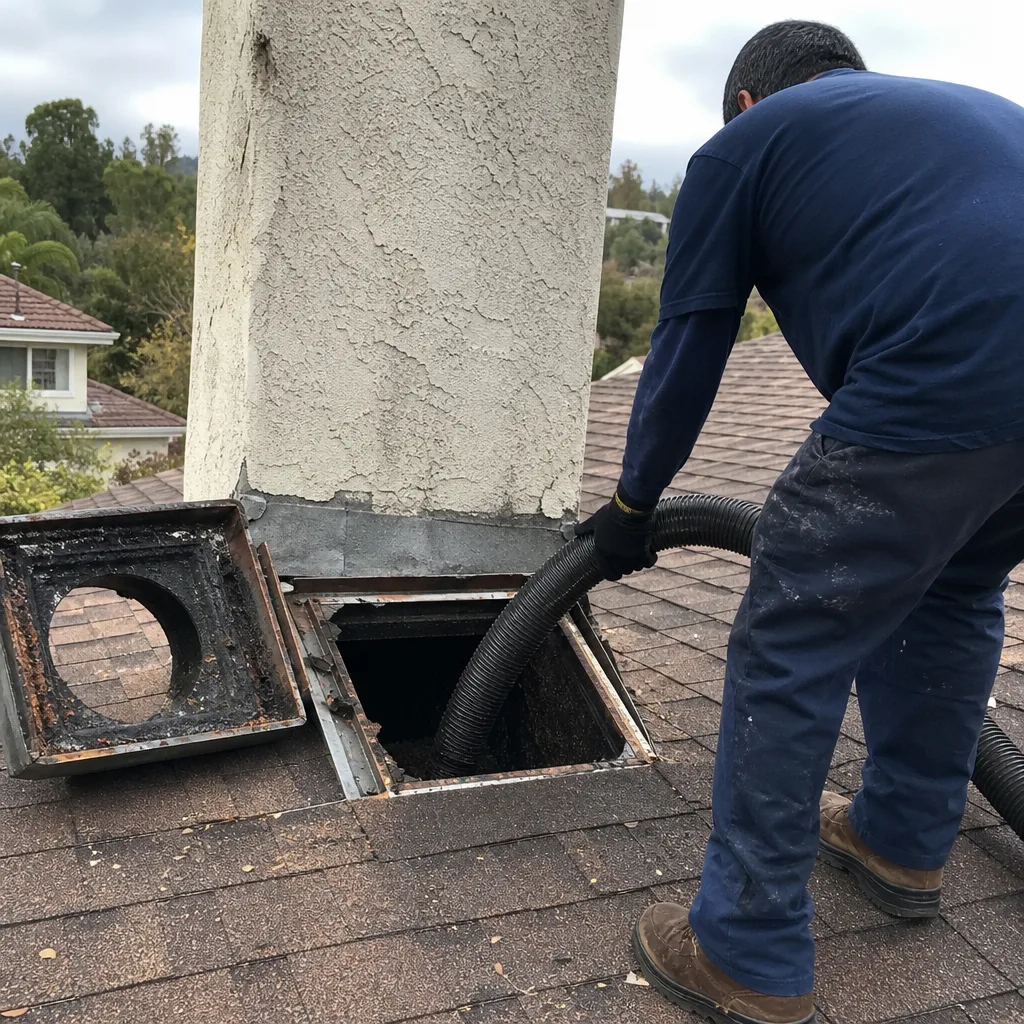 Before
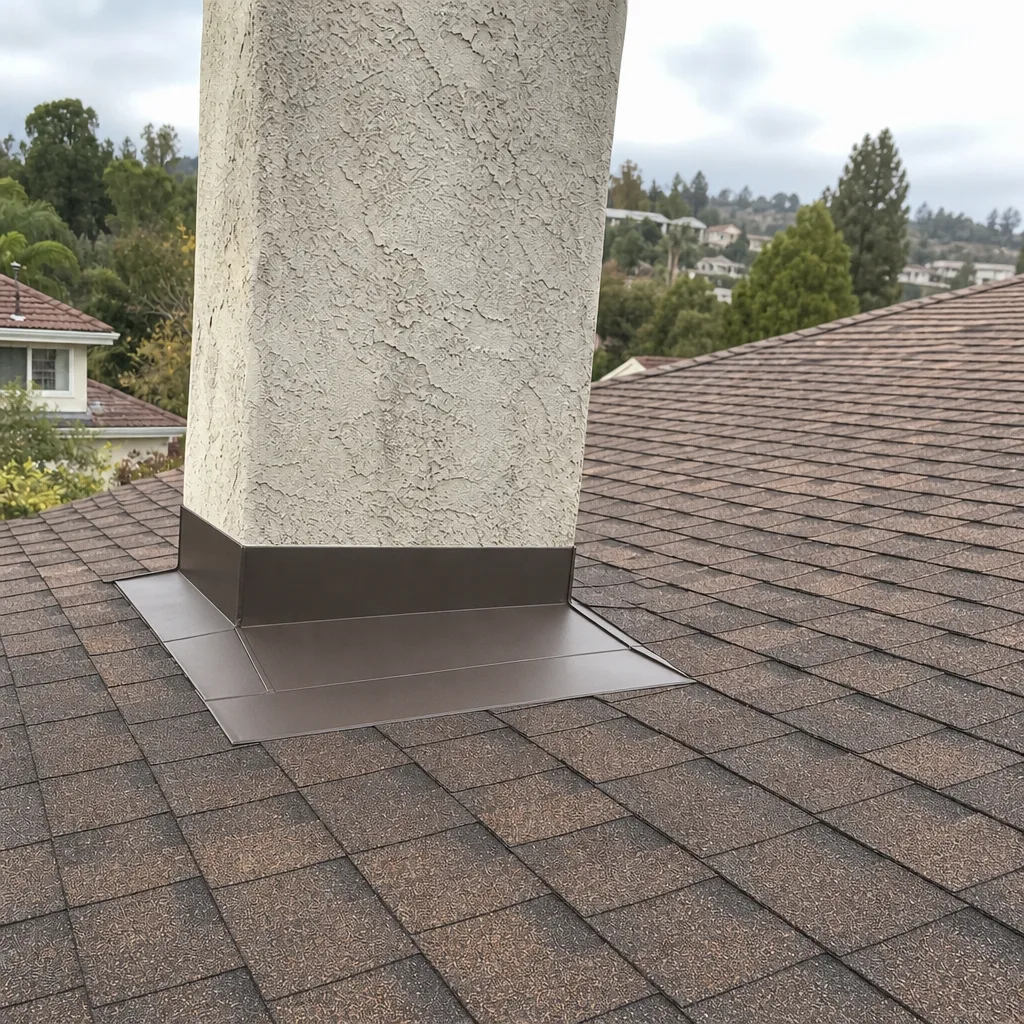 After
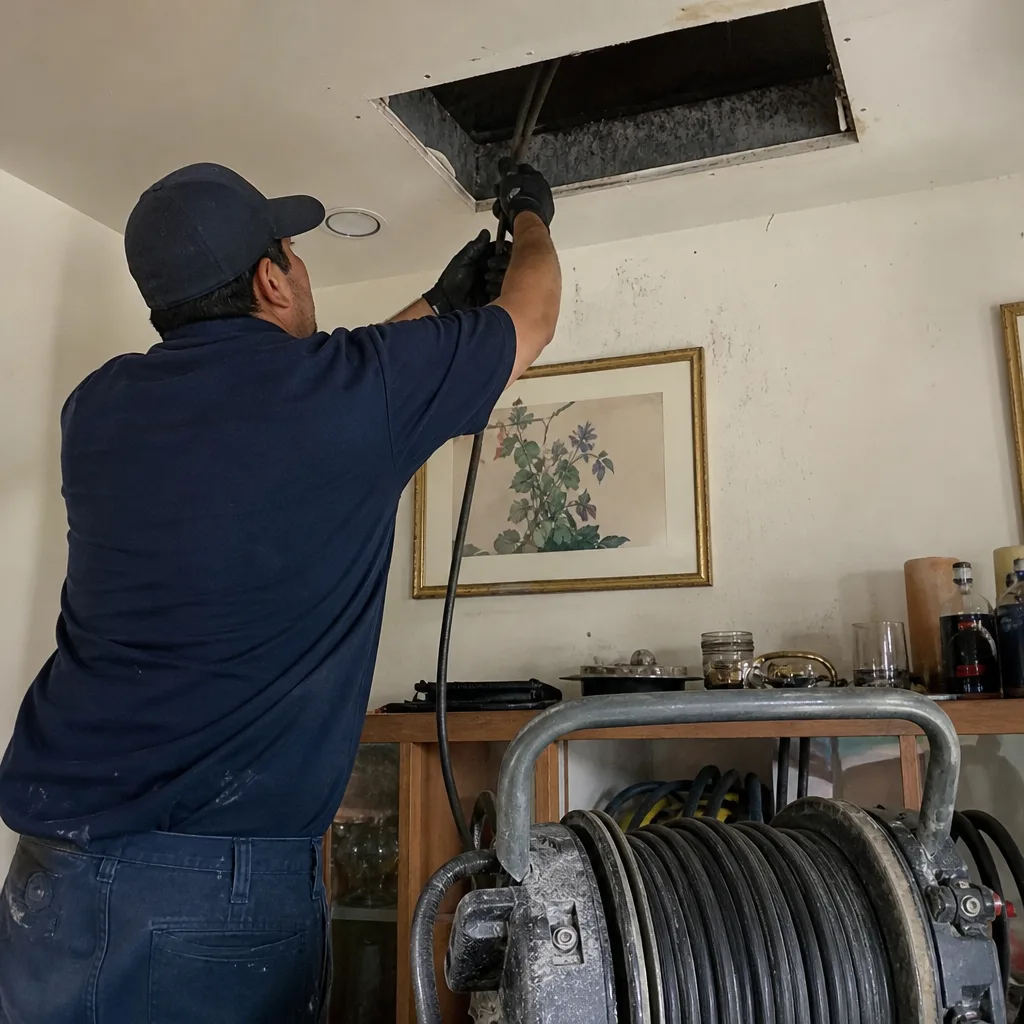 Before
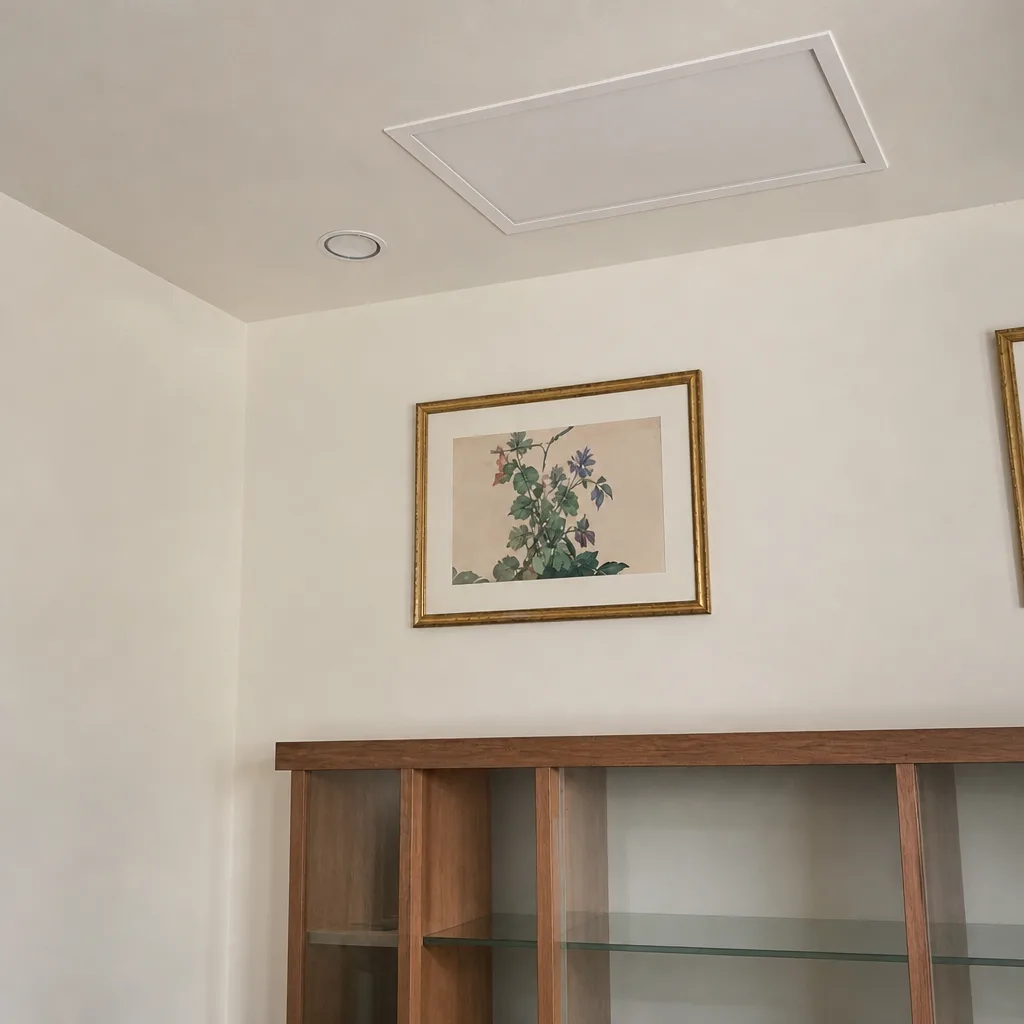 After
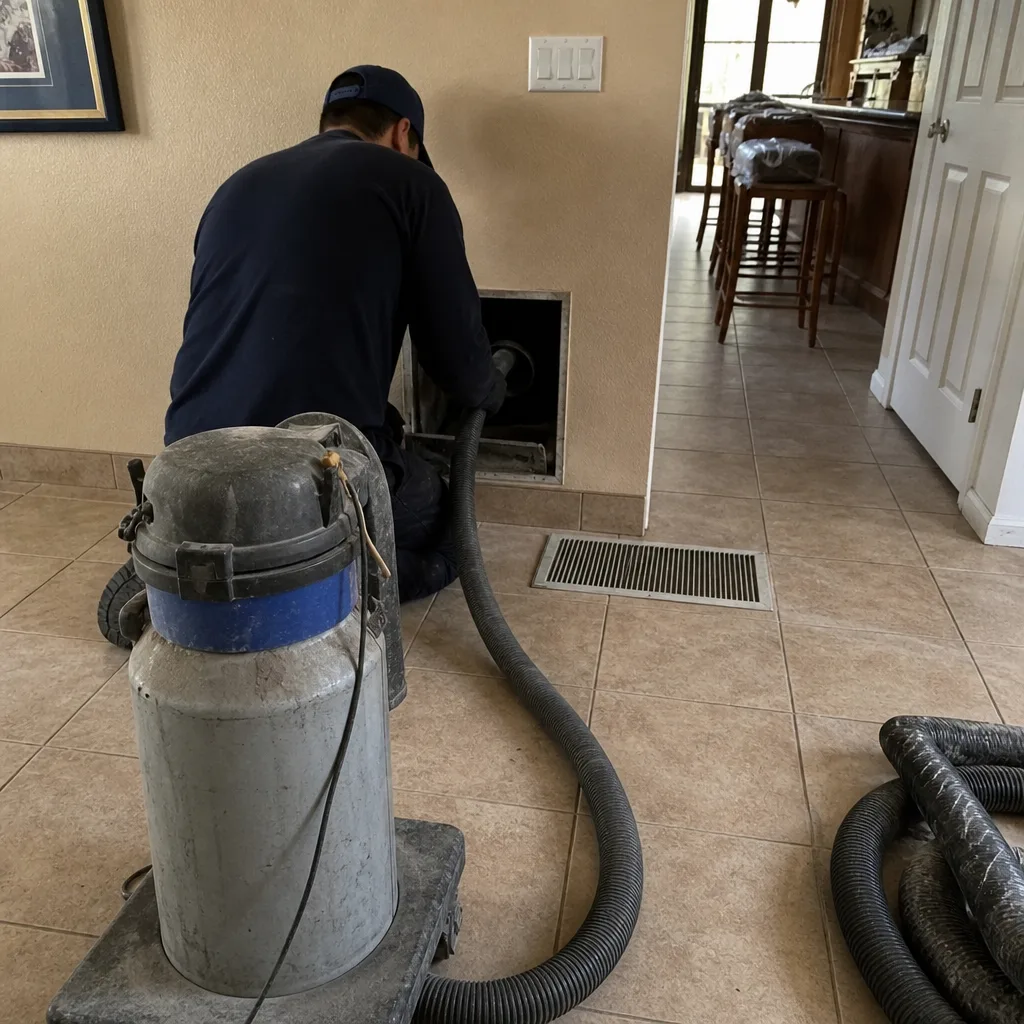 Before
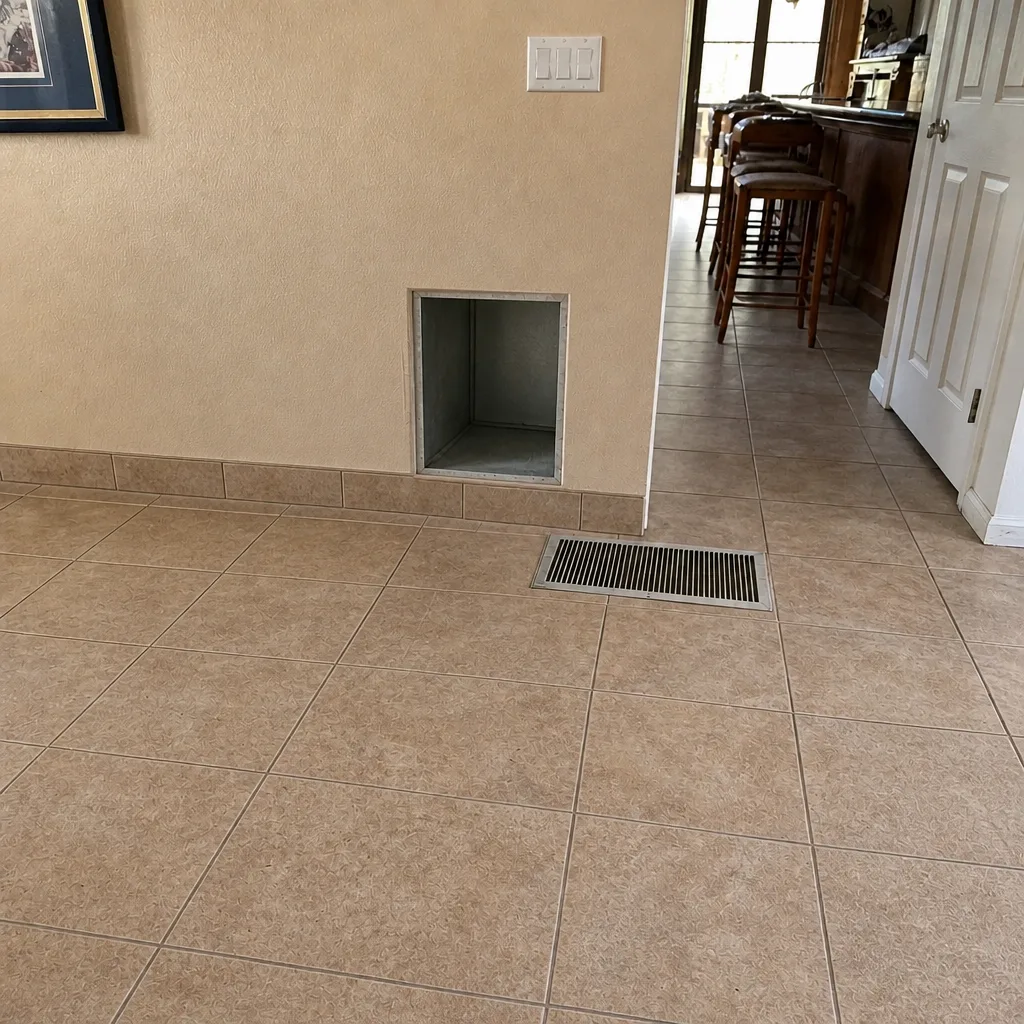 After
When to Call a Professional
Call a professional when the air in your home smelled like smoke after an event and stayed that way for more than a day. Call when your indoor air quality monitor stays elevated after you’ve closed the house, changed the filter, and recirculated for a cycle. Call after any renovation where the system ran while drywall or tile work was happening. Call if you notice ash or grit on supply registers, visible debris around the returns, or a musty or smoky odor the next time the blower kicks on. And call before fire season if your system has never been inspected, because finding a loose return in April is much cheaper than finding it in November with the air already bad. Air Duct Cleaning Porter Ranch offers free estimates in Porter Ranch – call (833) 570-5137. Our technicians have up to 14 years of experience, and the estimate is written before any work begins.
Frequently Asked Questions
Typical air duct cleaning in Porter Ranch runs from roughly $350 to $800 for a whole-house system, with the upper end covering larger homes, heavy smoke or ash loads, or multiple cleaning passes. Post-event work with HEPA-rated containment can push toward $900 to $1,200 when sanitizing or heavy particulate load is confirmed. The written estimate sets the final price. Call (833) 570-5137 for an exact quote – estimates are free.
Yes, if it’s running on recirculation with a clean MERV-13 filter and your outdoor air intake is closed. Recirculation keeps filtered indoor air moving through the system while the house stays closed, which reduces smoke infiltration. If your system pulls fresh air or you don’t know how to set it, run the blower less until a technician can check it. Call (833) 570-5137 to have your system configuration verified before the season starts – estimates are free.
Routine cleaning removes household dust and general buildup using contact-cleaning equipment. Post-wildfire cleaning uses HEPA-rated vacuum equipment and negative-pressure containment, so fine smoke and ash are captured rather than redistributed, and it sometimes requires more than one cleaning pass. The equipment tier and the verification steps are the difference, not just the price. Call (833) 570-5137 if you’re unsure which protocol your home needs – estimates are free.
You need one if the event was significant, if the system ran during the smoke, or if the house still smells smoky after a filter change. Ash that settles in ductwork keeps resuspending each time the blower runs, and that doesn’t fix itself. A short inspection with the right equipment answers the question in one visit. Call (833) 570-5137 for a free estimate on inspection and cleaning.
Under normal conditions, every three to five years is a reasonable interval. In Porter Ranch, add a cleaning after any significant wildfire smoke or ash event and after any major renovation where the system ran. Homes with allergy-sensitive occupants or pets should consider the shorter end of that range. Call (833) 570-5137 to schedule based on your home’s actual load – estimates are free.
We can work with your insurer and provide documentation of the inspection and the work performed so you can submit a claim. The local professional is licensed and insured as their state requires, and cleaning records with before-and-after photos of your own ducts help support a claim. Coverage decisions are between you and your insurer. Call (833) 570-5137 to discuss your situation – estimates are free.
The Bottom Line
Emergency preparation for Porter Ranch duct systems is about three habits and one decision. The habits: know your filter size and keep MERV-13 spares, know how to set your HVAC to recirculation, and keep a PM2.5 monitor so you have data rather than guesswork. The decision: after any significant smoke, ash, or renovation event, get the system inspected with containment-grade equipment before trusting it with the whole house’s air. Cleaning alone doesn’t cover leaks and filtration, and one visit that does it all beats three visits that each solve a third of the problem. Porter Ranch deserves a duct protocol that accounts for what the area has actually been through, and this guide is the version homeowners should have been given years ago.
Contact
If you’ve read this and still aren’t sure whether your Porter Ranch home is prepared, that’s the right time to call. We’ll inspect the system, show you what we find, and write a flat price per system before any work starts. Air Duct Cleaning Porter Ranch connects homeowners with independent local professionals who perform this work. Call (833) 570-5137 for a free estimate. We answer 24/7. Fast dispatch from 7am to 7pm, Sunday through Friday.
Written by the team at Air Duct Cleaning Porter Ranch.